Does your jaw feel tight when you wake up, or tired halfway through a meal? You might wonder whether to call your dentist or your doctor. Both can help, but the right starting point depends on what you’re noticing. Let’s make that first call a little easier.

Should I See a Doctor or Dentist for TMJ?
A dentist experienced in TMJ disorders is a practical first call for jaw tightness, clenching, or trouble chewing. They can assess your teeth, jaw joints, and chewing muscles. Your primary care doctor can check for medical conditions that cause similar symptoms.
You don’t necessarily need appointments with both. Start with an experienced provider, who can recommend medical or dental input if your assessment suggests it would help.
TMJ vs TMD: What’s the Difference?
Your jaw joint, the temporomandibular joint (TMJ), connects your lower jaw to your skull. You have one on each side.
Conditions affecting these joints and nearby muscles are called temporomandibular disorders (TMDs). People often say “TMJ” when they mean TMD. TMJ is the joint; TMD is the condition.
When Should You See a Dentist for TMJ?
If your jaw feels tight when you chew, you notice tooth wear, or opening your mouth feels less comfortable, it’s worth checking in with your dentist. They can also look for signs of tooth grinding, called bruxism, and talk with you about habits such as daytime clenching.
A dental exam also helps distinguish jaw-related concerns from a tooth problem that needs separate care.
What Happens at a TMJ Dental Visit?
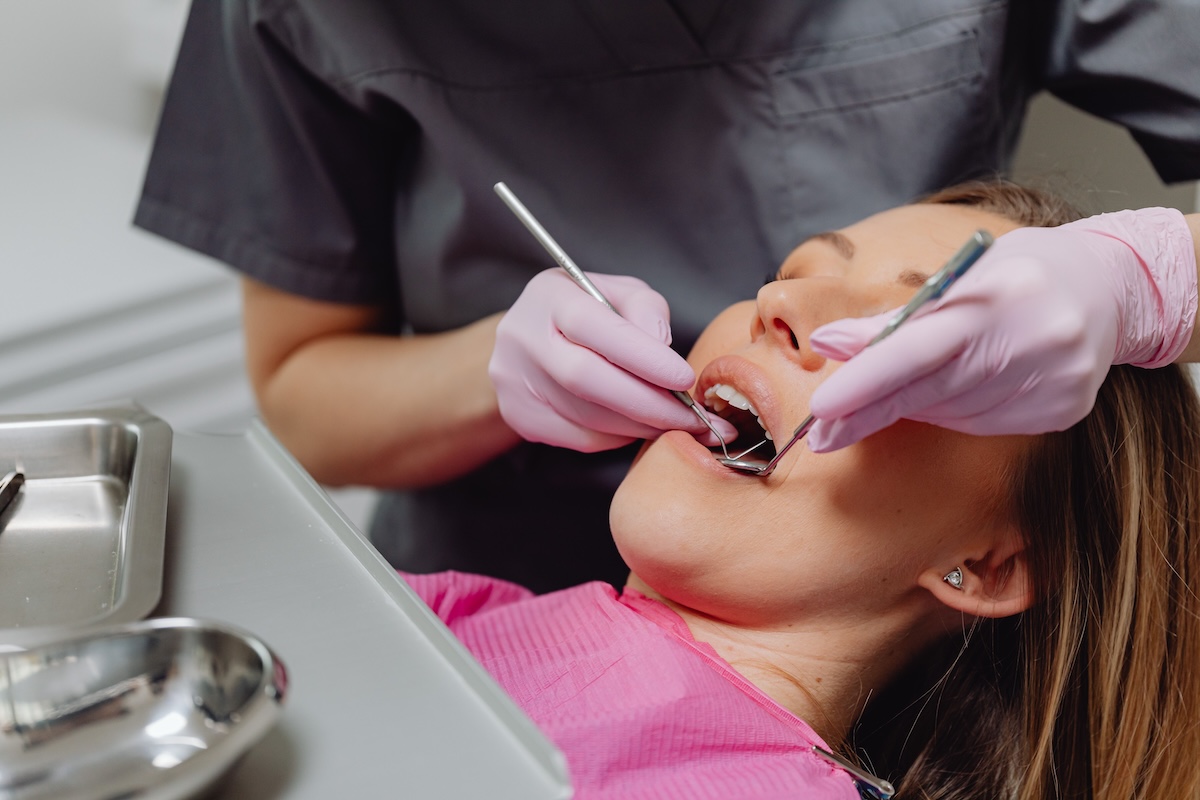
Expect a conversation about your daily habits and health history, followed by an exam. Your dentist may check jaw movement, feel the chewing muscles, and examine your teeth.
Tell your dentist when your jaw feels tight and what helps it relax. If they need a closer look, they may suggest an X-ray or another scan and explain what it can tell them.
When Should You See a Doctor for TMJ?
Your doctor is a good starting point if you also have persistent ear symptoms, recurring headaches, or a condition like arthritis. They can check whether another medical issue is contributing and refer you for dental or specialist care when needed.
Seek prompt care for a jaw that locks, significant swelling, fever, or a recent injury. These deserve assessment rather than a routine wait.
Who Else Treats TMJ Disorders?
Some people may benefit from seeing an orofacial pain specialist – a dentist trained to treat pain and conditions affecting the face, jaw, and mouth. Others may work with a physical therapist on jaw movement or a neurologist on recurring headaches. An oral and jaw surgeon, an oral and maxillofacial surgeon, evaluates selected joint conditions when needed.
Your provider can help coordinate care, so you don’t have to work out every referral yourself.
How Does TMJ Treatment Usually Start?
Treatment starts with understanding what’s affecting your jaw. The National Institute of Dental and Craniofacial Research recommends simple, conservative care first. Depending on your needs, this may include habit changes, guided exercises, physical therapy, or medication.
Still finding that your jaw needs a little more support? Your provider can talk you through the next options, explain how they might help, and help you choose a plan that suits your needs.
Simple Ways to Support Your Jaw
Give your jaw a little breathing room:
- Pause gum chewing and skip extra-chewy foods temporarily.
- Choose smaller bites instead of opening wide.
- Notice daytime clenching and let your teeth rest apart.
- Follow your clinician’s guidance before trying jaw stretches.
Keep movements gentle. More effort isn’t always more helpful.
What Should You Ask Your TMJ Provider?
Ask your provider what’s causing your jaw concerns, which options they recommend, and why. Discuss the expected benefits, possible side effects, and alternatives, along with when you should review your progress. It’s also helpful to ask about their experience treating TMJ disorders.

Explore TMJ Care With Dr. Bjelac in SouthPark
At Aspire Dental Wellness, led by Dr. Bjelac, TMJ care begins with a consultation to assess your concerns and discuss your options. As an experienced Charlotte dentist in SouthPark, Dr. Bjelac takes a holistic approach that considers your oral health, jaw habits, and overall well-being.
The practice offers Fotona laser therapy and therapeutic injections as options for TMJ-related concerns. Laser treatment uses light energy, an approach called photobiomodulation. You can also discuss injection therapy during your consultation. Whether either is suitable depends on your assessment, health history, and response to simpler care; results vary.
Dr. Bjelac can explain the proposed treatment, its potential benefits and limitations, and any alternatives before you decide. Ask which injection is being recommended and what evidence supports its use for your specific condition.
Give your jaw a little extra care. Schedule a consultation with Dr. Bjelac at Aspire Dental Wellness in Charlotte’s SouthPark neighborhood to talk through your concerns and explore your options together.
FAQs About Who Treats TMJ
A dentist can assess clicking. Clicking without discomfort or restricted movement often needs no treatment, according to NIDCR guidance. Mention it at your next exam.
Either may help initially. Recurring headaches deserve medical assessment, while a dentist can check whether jaw function contributes.
No. A guard isn’t a universal solution. Your diagnosis and any tooth grinding help determine whether an appliance makes sense.
Surgery isn’t usually the starting point. It’s considered for selected conditions after careful evaluation and discussion of alternatives.
Requirements vary. Check with the office and your insurer, especially when booking specialist care.