
If your dentist recommends a root canal, you might wonder, “Does it hurt?” Root canal treatment is now much more comfortable and pain-free thanks to modern dental technology. Your dentist in Charlotte, NC will focus on your overall well-being and long-term oral health, making sure every step of the procedure is handled with care and precision.
Every visit at Aspire Dental Wellness in Charlotte is designed to feel calm and personal, thanks to Dr. Bjelac and our caring, supportive team. Learn what happens during a root canal, debunk common myths, and see what to expect.

What You Need to Know About Root Canal Treatment
Root canal treatment, or endodontic therapy, is a procedure that saves a severely infected or damaged tooth. The dentist removes the infected pulp, cleans and disinfects the root canals, and seals them to prevent further infection.
Let’s break it down:
- During the procedure: Each step is performed with careful attention to your comfort.
- Before treatment: Your dentist in Charlotte, NC evaluates your tooth and overall oral health to create a personalized plan.
- After treatment: Guidance is provided to support optimal healing and long-term dental wellness.
Root canal treatment at Aspire Dental Wellness is designed to be comfortable and supportive through a holistic approach that pairs gentle techniques with advanced pain management. We also incorporate anxiety management strategies to help you feel relaxed and at ease throughout your visit.
Does a Root Canal Hurt? Debunking the Myths
Despite common fears, modern root canal therapy is generally comfortable, thanks to advanced anesthesia and gentle techniques.
Myth 1: Root canals are extremely painful.
Modern root canal therapy is designed to be comfortable and gentle. With advanced techniques, local anesthesia, and supportive care, most patients experience minimal discomfort during the procedure. The goal is to preserve your natural tooth while ensuring your overall well-being throughout treatment.
Myth 2: Root canals cause long-term pain.
After treatment, your tooth is carefully restored and protected, allowing it to function normally for years. Any temporary sensitivity is usually mild and resolves quickly. With proper care, a root canal-treated tooth can last a lifetime, supporting both your oral health and overall wellness.
Myth 3: It’s better to pull a tooth than have a root canal.
Keeping your natural tooth is usually the best option. Nothing can fully replicate the look or function of a natural tooth. Root canal therapy has a high success rate, and many treated teeth last a lifetime. Extracting a tooth and replacing it with a bridge or implant often requires more time, additional procedures, and may impact neighboring teeth and surrounding tissue.
How Anesthesia Supports a Gentle Root Canal Experience
If you’re wondering, “How painful is a root canal without anesthesia?” – it would be very uncomfortable, which is why anesthesia is always used.
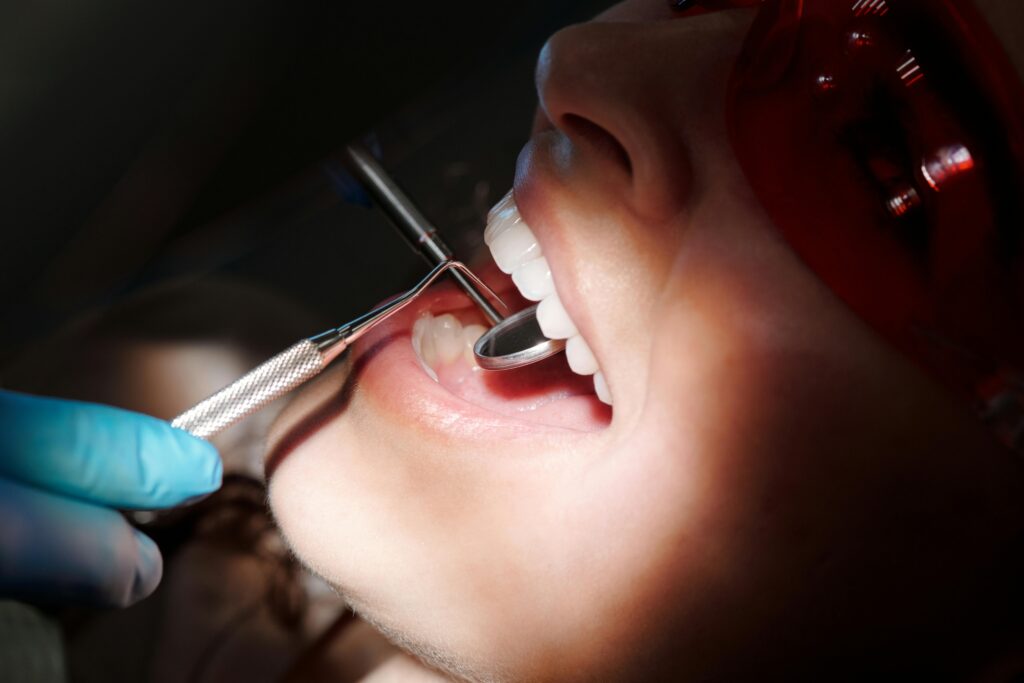
During a root canal, your Charlotte dentist in SouthPark will use local anesthesia to carefully numb the treated area, ensuring a comfortable experience. Anesthesia is important because it allows the dentist to work precisely while keeping you relaxed and at ease throughout the procedure. After treatment, it’s normal to notice slight sensitivity or tenderness, which can be easily managed with over-the-counter remedies.
Root Canal Pain Explained: How It Feels and What to Expect
Every patient’s experience is unique, but many report similar sensations during treatment. How Much Does It Really Hurt on a 1-10 Scale? With the use of local anesthesia, gentle techniques, and a holistic approach to care, root canal therapy is generally very manageable.
Many patients describe their experience:
| Stage | Pain Level (1-10) | What Patients Usually Feel |
| During the procedure | 0-2 | Little to no discomfort thanks to effective numbing and gentle care |
| Immediately after | 1-4 | Mild sensitivity or tenderness that is usually easy to manage |
| After healing | 0-1 | Minimal to no sensation, with normal comfort and function restored |
Supporting Your Healing: Comfort and Pain Management After a Root Canal
If you’re wondering how to stop throbbing after a root canal, there are several gentle steps you can take to support comfort and healing. Every smile deserves special treatment, and there’s no one who knows more about what’s best for it than the dentist you chose.
1. Use supportive medication if recommended
Many individuals feel more comfortable using over-the-counter options such as ibuprofen or acetaminophen. These can help ease normal post-treatment sensitivity and support the body’s natural healing process.
2. Apply a cool compress
Placing a soft, cool compress on the cheek near the treated tooth during the first 24-48 hours can help calm the area and reduce any swelling that may occur as the tissues settle.
3. Keep your oral care routine gentle
Continue brushing and flossing, but take extra care around the treated tooth. Avoid hard or chewy foods for a short time to prevent irritation and to allow the area to heal comfortably.
4. Support comfortable rest
Sleeping with your head slightly elevated can encourage proper circulation and help you feel more at ease, especially during the first night or two.
5. Follow your dentist’s guidance closely
Your dentist’s aftercare recommendations are tailored to your specific needs, making them essential for a smooth recovery.
How Long Does It Take to Heal from a Root Canal?
Most people find that the healing period after a root canal is fairly smooth and progresses quickly. In general, the tissues around the treated tooth begin to settle within a few days, and many patients feel fully back to normal shortly after. The tooth itself continues to stabilize over the next one to two weeks, especially as any mild sensitivity fades.
Healing time can vary from person to person, depending on factors such as the tooth’s condition, overall health, and how well aftercare instructions are followed. Maintaining gentle oral hygiene choosing soft foods for the first day or two, and giving your body time to restore balance all contribute to a comfortable recovery.
How Painful Is a Root Canal After Treatment?
After a root canal, it’s completely normal for the area to need a little time to adjust. Many people notice mild sensitivity to temperature or chewing, along with slight tenderness in the gums or a bit of soreness where the anesthesia was placed. These sensations typically soften and improve over the next few days as the tissues naturally rebalance and heal.
The expertise of Charlotte dentist in SouthPark ensures that your treatment is performed with precision and care, supporting a smooth recovery. If anything feels unusual or doesn’t seem to be improving as expected, your dental team can take a closer look and guide you to ensure everything continues to heal smoothly.
Root Canal Care: What to Remember
So, how painful is a root canal? Modern root canal therapy is generally not as painful as people fear. Most patients experience little to no pain during the procedure, and any post-treatment discomfort is mild and manageable.
Root canal therapy at Aspire Dental Wellness is approached with precision and a holistic perspective. Dr. Bjelac and our team focus on preserving your natural tooth, supporting overall oral health, and creating a calm experience.
Contact us today to discover how our team can make root canal therapy comfortable and supportive, helping you maintain a healthy, confident smile.
FAQ
Thanks to local anesthesia, most patients feel minimal to no pain during the procedure. With our gentle, patient-focused approach, you can feel confident and comfortable throughout your treatment.
It would be very uncomfortable, which is why dentists always numb the area before starting to ensure comfort.
Use prescribed pain relievers, cold compresses, soft foods, and following your dentist’s instructions helps your tooth feel settled. These steps encourage a gentle, steady recovery and support your overall dental wellness.
Mild sensitivity is normal and typically eases quickly. Maintaining good oral hygiene and gentle care supports continued comfort and long-term tooth health.
Taking prescribed medications, using cold compresses, eating soft foods, and following care instructions from your dentist all help your tooth feel supported. Combined with rest and gentle care, these tips promote a smooth and positive healing experience.