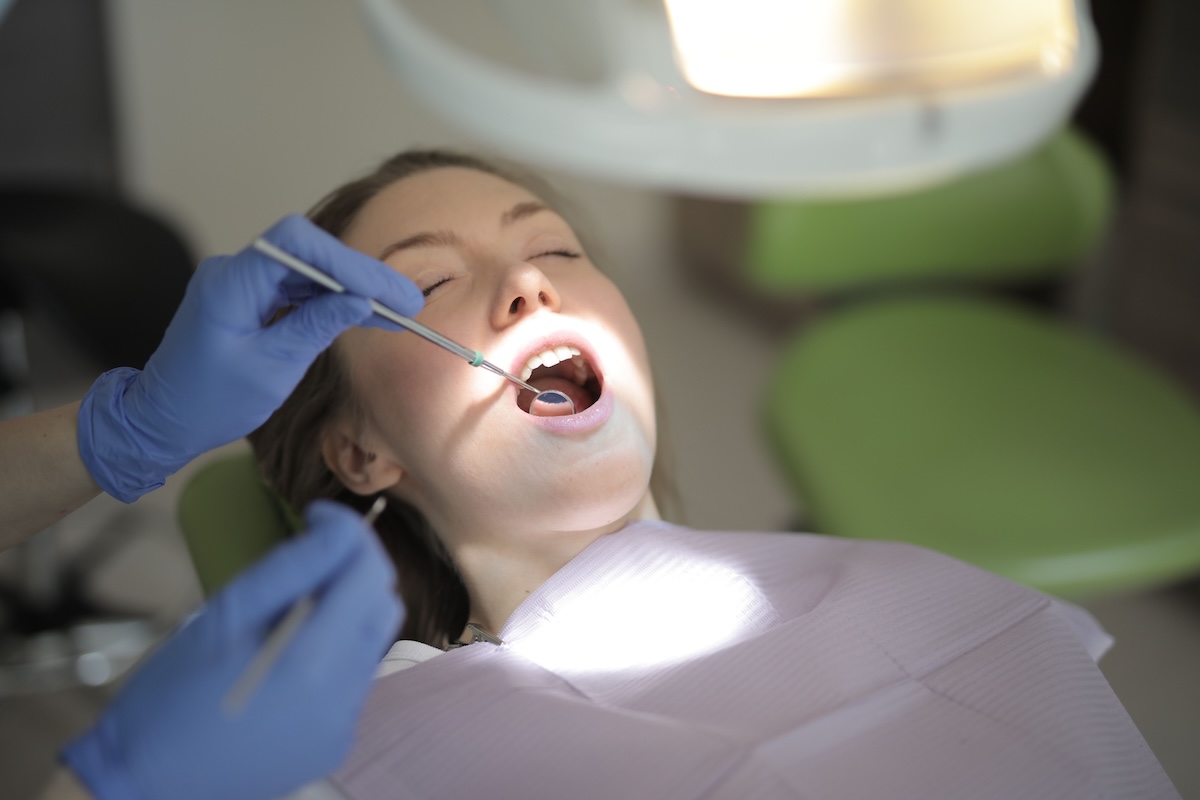
Your jaw helps you chat through lunch, sing in the car, and enjoy that first bite of breakfast, yet it rarely gets a spot in your wellness routine. November is TMJ Awareness Month, a handy reminder to learn how the temporomandibular joints (TMJs) on each side of your jaw work and what keeps them moving comfortably. After all, they do quite a bit more than help you finish your snacks.
What Is TMJ Awareness Month, and Why Does It Matter?
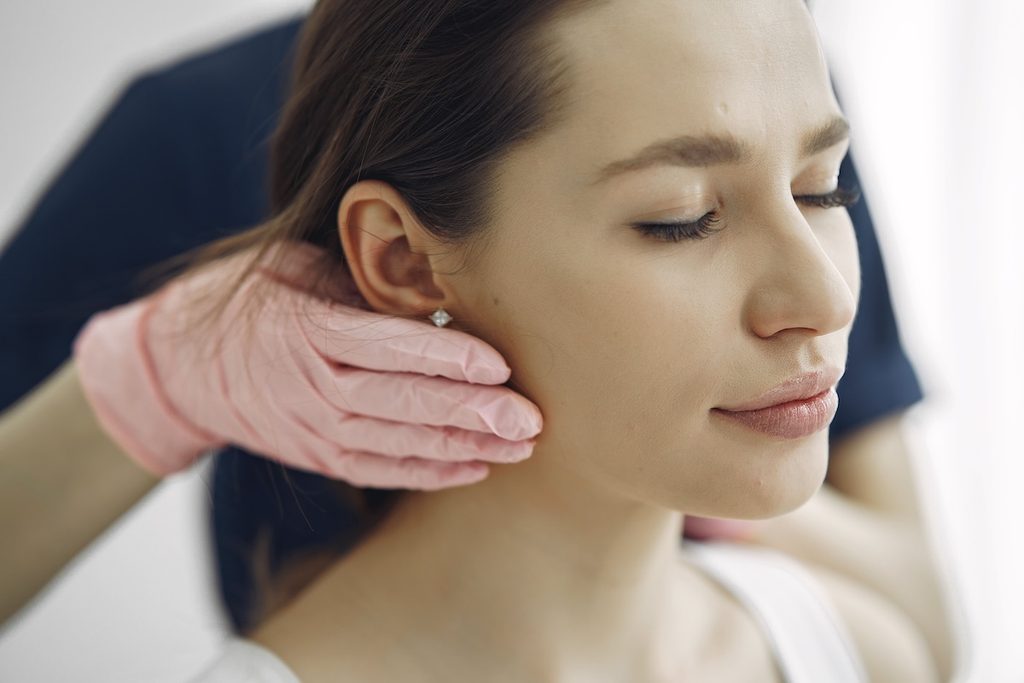
TMJ Awareness Month takes place every November, and both the National Institute of Dental and Craniofacial Research (NIDCR) and the TMJ Association use it to bring attention to temporomandibular disorders. It puts a small but busy part of your body in the spotlight. You have a jaw joint on each side of your face, just in front of your ears. These are your temporomandibular joints, usually shortened to TMJs.
The TMJs work with nearby muscles to help you open, close, and move your jaw. Talking, chewing, and yawning all depend on that teamwork. Getting familiar with your jaw is simply another way to pay attention to your oral health.
TMJ Is the Joint, TMD Is the Disorder
TMJ stands for temporomandibular joint, the jaw joint itself. TMD stands for temporomandibular disorders, the conditions affecting the jaw joints and chewing muscles. Ever heard someone say, “I have TMJ”? They’re usually talking about a jaw concern, rather than naming the joint itself. It’s a small difference, but it comes in handy when you’re talking with your dentist.
According to the National Institute of Dental and Craniofacial Research (NIDCR), TMD affects about 5% of U.S. adults, although estimates vary, and it is about twice as common in women as in men. NIDCR describes TMD as a group of more than 30 conditions, so one person’s experience won’t necessarily match another’s.
How Can You Tell If You Clench Your Jaw?
Jaw clenching often goes unnoticed until you check in with yourself. Deep in an email or concentrating on a tricky task? That’s a useful moment to see whether your teeth are pressed together. Teeth clenching or grinding is called bruxism, and it can happen during waking hours or sleep.
Try a few low-effort habits:
- Use an occasional phone reminder to notice daytime clenching.
- Let your jaw relax when you catch yourself holding it tightly.
- Take a short pause between demanding tasks to let your shoulders and jaw drop.
Think awareness, not constant monitoring. Stress can be one part of the picture, but TMD doesn’t have a single cause, and clenching doesn’t explain every case.
Painless Jaw Clicking Is Common, but Pain or Locking Deserves a Check-Up
A clicking jaw without pain is common and does not need treatment on its own. NIDCR describes clicking or popping in the jaw joints without pain as common and normal. A little click isn’t a diagnosis.
What matters is the wider picture. Is movement comfortable? Has chewing changed? Mention recurring stiffness, discomfort, or changes in how your jaw opens at your next dental visit. If your jaw locks or you can’t open or close it normally, contact a clinician promptly.
You don’t need to repeatedly open wide to test it. Everyday observations give your dentist a more useful starting point.
Simple, Conservative Care Is the Starting Point for TMJ Problems
Simple TMJ care means supporting your jaw without adding an elaborate routine. NIDCR recommends starting with simple, conservative care when treatment is needed, and your dentist can help you choose what fits.
Which Habits Can Support Jaw Comfort?
Habits that support jaw comfort start with small changes:
- Cut back on frequent gum chewing and nail biting.
- Choose softer foods temporarily if chewing feels uncomfortable.
- Ask whether heat or cold would be useful for your situation.
- Get guidance before starting jaw exercises or stretches.
Gentle and individualized is the goal. Skip forceful stretching and online jaw workouts that promise a universal fix. A routine should suit your jaw, rather than give it extra work.
What Does a Holistic Approach to TMJ Care Include?
A holistic approach to TMJ care considers your health history, daily habits, sleep, and stress alongside your jaw’s movement. What happens outside the dental chair can help shape the conversation inside it.
For example, it may help to mention whether you wake with jaw tension or notice clenching during busy afternoons. Headaches are also worth discussing, although they can have many causes and aren’t automatically related to your jaw.
At Aspire Dental Wellness, our aim is to better understand your needs. Led by Dr. Bjelac, we look at your health history, daily habits, sleep, and stress alongside your jaw’s movement. Depending on the findings, we’ll talk through the options that fit you.
What Happens at a TMJ Evaluation?
A TMJ evaluation may include reviewing your health history, checking jaw movement, and examining the surrounding muscles. You don’t need to arrive with a diagnosis, so bring your questions and any patterns you’ve noticed.
At Aspire Dental Wellness in SouthPark, Charlotte, led by Dr. Bjelac, you can discuss your concerns and learn about the practice’s TMJ care options. The next step should follow an individual assessment, with a clear explanation of what each option can and can’t offer.
Looking for a dentist in Charlotte? Asking how a practice evaluates jaw concerns is a useful part of finding care that feels right for you.

Should You Mention Your Jaw at Your Next Check-Up?
Mentioning your jaw at your next check-up is a simple way to bring a little curiosity to your everyday routine this TMJ Awareness Month. Notice your habits, give unnecessary clenching a break, and keep your dentist in the conversation.
If you’re looking for a Charlotte dentist in SouthPark, Aspire Dental Wellness welcomes your questions. Schedule your next check-up or cleaning and mention that you’d like to talk about jaw wellness. Your jaw works hard all day, so a quick chat about it is an easy way to give it some attention.
Frequently Asked Questions About TMJ and TMD
Many TMDs last only a short time and go away on their own, according to NIDCR. That doesn’t make symptoms safe to ignore: pain that keeps coming back, stiffness, or trouble opening your jaw is worth mentioning at your next dental visit.
TMD is about twice as common in women as in men, especially in women between 35 and 44 years old, according to NIDCR. Individual risk depends on many factors, so your dentist can help you make sense of your own situation.
Signs of TMD include pain in the chewing muscles or jaw joint, which is the most common symptom, along with jaw stiffness, limited movement or locking, and painful clicking, popping, or grating when you open or close your mouth. Clicking or popping without pain is common and does not need treatment on its own.
NIDCR lists headaches associated with a TMD as one of three main groups of temporomandibular disorders, alongside joint disorders and chewing-muscle disorders. Headaches have many causes, though, so a headache alone doesn’t point to your jaw. Mention them to your dentist so they can look at the full picture.
Aspire Dental Wellness offers TMJ treatment options that include injection therapy and laser therapy with the Fotona laser, as part of a personalized plan designed around each patient’s needs. You can schedule a consultation at the SouthPark, Charlotte practice, led by Dr. Bjelac, to ask which option, if any, fits your situation.