
Veneers, crowns, and bonding all help improve your smile – but how do you know which one’s right for you? When it comes to conserving your natural tooth structure, dental bonding is the most conservative option, while porcelain crowns require the most tooth preparation. Porcelain veneers sit right in the middle – offering a balance between minimal invasiveness and long-lasting beauty.
At Aspire Dental Wellness in Charlotte, NC, we take a holistic approach, helping patients understand the differences so they can make informed decisions that support both aesthetic goals and long-term oral wellness. Veneers, crowns, and bonding all help improve your smile – but how do you know which one’s right for you?
Understanding the Basics
Before choosing bonding vs veneers vs crowns, it helps to know what each option can and can’t do for your smile. These treatments may seem similar, but each one varies in how long it lasts, how it looks, and how much of your natural tooth has to be reshaped.
What Is Dental Bonding?
Dental bonding is the least invasive cosmetic dentistry treatment available – and that’s one of its greatest advantages.
Using a tooth-colored composite resin, your dentist can quickly repair chips, cracks, discoloration, and small gaps. However, bonding materials are somewhat porous, which means they can absorb stains over time and are not as strong as porcelain.
This makes bonding less ideal for heavy-biting areas like molars. It’s best suited for closing small gaps, correcting minor cosmetic flaws, or restoring chipped front teeth. At our SouthPark office in Charlotte, our dentist can bring out the best in your smile with this simple, yet powerful cosmetic treatment.
What Are Veneers?
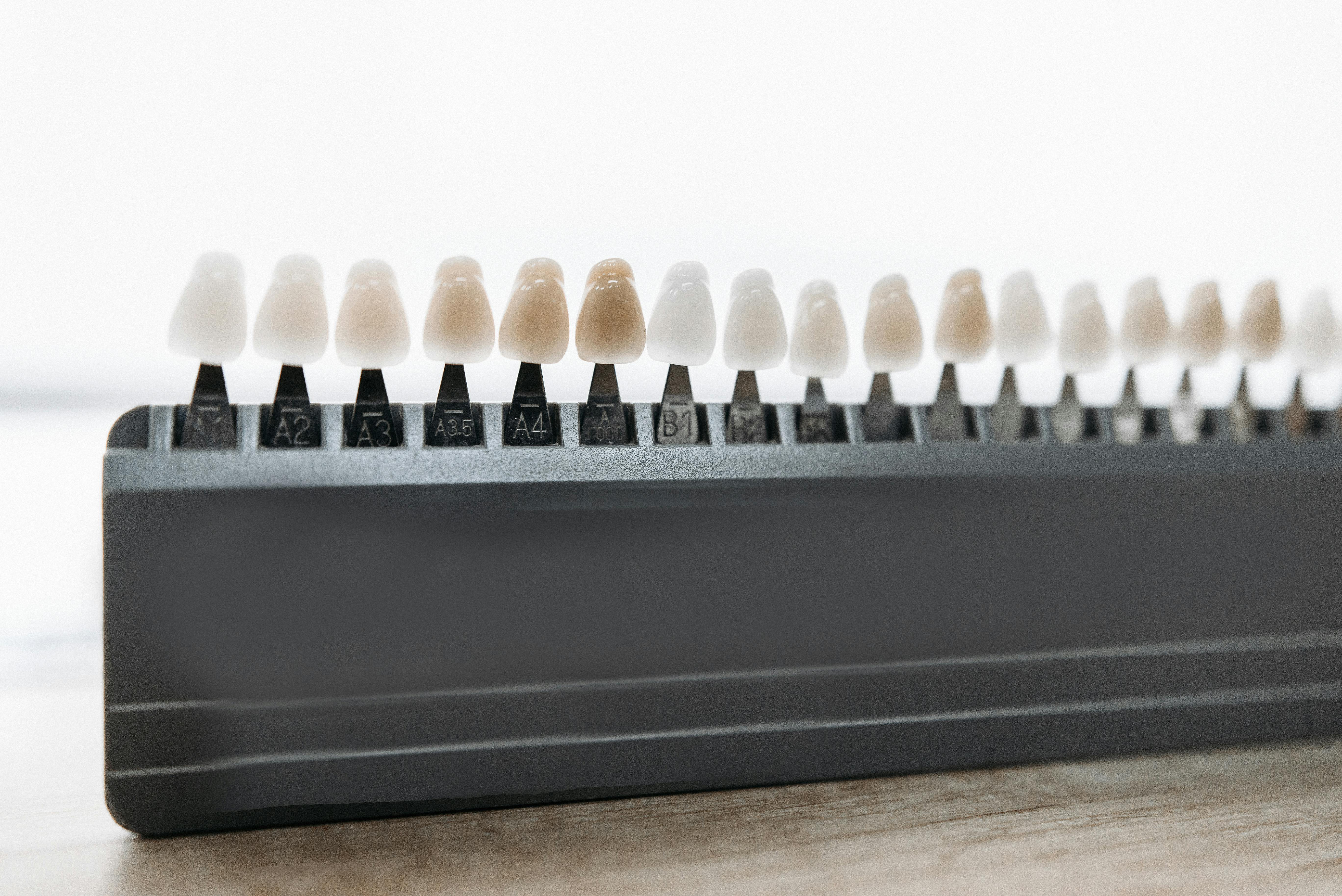
Porcelain veneers are thin, custom-made shells designed to cover only the front surface of teeth. They fall between bonding and crowns in terms of tooth preparation – more durable than bonding but far less invasive than full crowns. Veneers require minimal enamel removal and provide a long-lasting, stain-resistant, and natural-looking finish.
Because porcelain is nonporous, veneers resist discoloration much better than composite bonding. When done by a skilled dentist in Charlotte, NC, veneers can last many years longer than bonding and offer transformative aesthetic improvements.
What Are Dental Crowns?
Dental crowns are full-coverage restorations that protect and strengthen teeth that have been heavily damaged, decayed, fractured, or previously treated with root canals. They’re often made from durable porcelain that can mimic the look of natural enamel while restoring full function.
To place a crown, the dentist must reduce the entire circumference of the tooth (a full 360° preparation) to make space for the crown. Once tooth structure is removed, it cannot be replaced – which is why crowns are considered the most invasive of the three options.
Despite this, crowns are the strongest and longest-lasting solution. They’re ideal when the tooth needs total support due to cracks, trauma, large fillings, or occlusal (bite) stress.
Veneers vs Crowns vs Bonding – The Main Differences
Choosing the right treatment involves understanding how much of the tooth each option covers and the situations in which it works best. The following breakdown highlights the key differences:
| Comparison | Dental Bonding | Veneers | Crowns |
| Covers | Part of the tooth | Front surface of the tooth | Entire tooth |
| Best for: | Small chips, gaps, or discoloration | Improving smile design, tooth shape, or color | Broken, decayed, or root-canaled teeth |
| Longevity | 3-10 years | 10-15 years | 10-20 years |
| Key Benefit | Quick, affordable, and minimally invasive solution | Creates a highly aesthetic, natural-looking smile | Provides strength, durability, and protection for compromised teeth |
Pros and Cons of Each Treatment
Every cosmetic option comes with its own set of advantages and limitations, and knowing what to expect can make your decision feel much less overwhelming. Below, we break down the pros and cons of bonding, veneers, and crowns so you can confidently choose the option that fits your smile goals and everyday life.
| Comparison | Pros | Cons |
| Dental Bonding | 1. Affordable and quick solution 2. Minimally invasive, often completed in one appointment | 1. Less durable for molars or heavily used teeth 2. Prone to staining over time 3. Typically lasts 3-7 years |
| Veneers | 1. Long-lasting and stain-resistant 2. Highly aesthetic and natural-looking 3. Ideal for complete smile makeovers | 1. Irreversible procedure requiring enamel removal 2. Not suitable for severely damaged teeth without underlying support |
| Crowns | 1. Strengthens weak or damaged teeth 2. Restores function and aesthetics 3. Can protect teeth after root canal therapy | 1. More invasive than bonding or veneers 2. Requires significant tooth preparation 3. Higher price point due to complexity and materials |
Choosing Between Veneers, Crowns, and Bonding for Front Teeth
For front teeth, choosing the right treatment depends on both cosmetic goals and the tooth’s condition:
- Bonding: Ideal for small chips, gaps, or minor discoloration. It’s a fast, cost-effective solution for enhancing your front teeth.
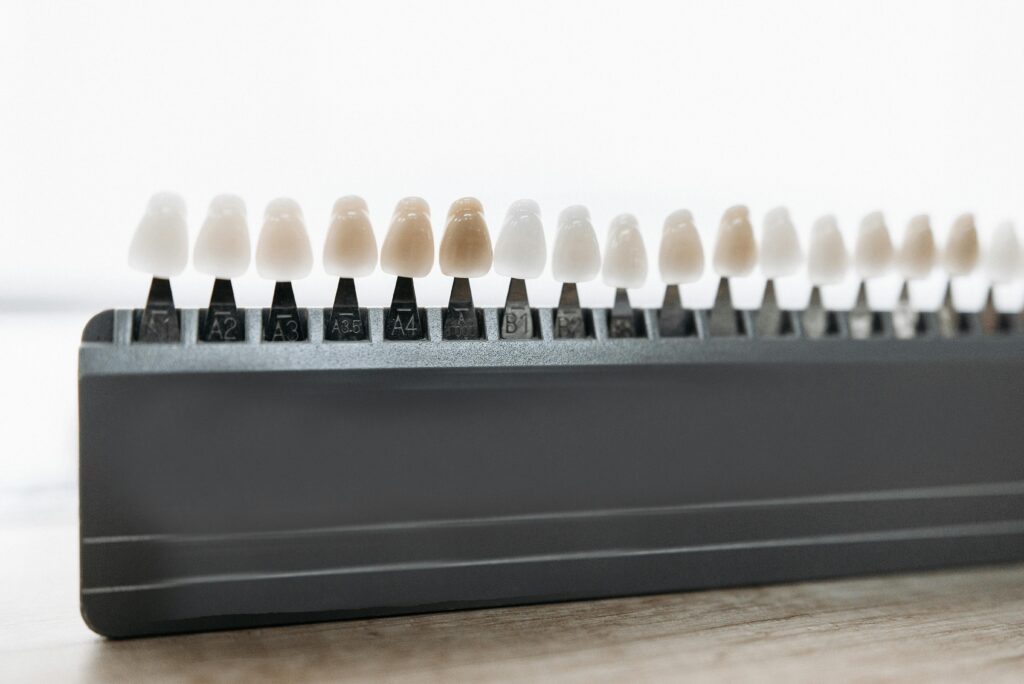
- Veneers: Best for achieving uniform color, symmetry, and long-lasting aesthetic results. Veneers are perfect for smile design and more extensive cosmetic changes.
- Crowns: Recommended when the front tooth is cracked, weakened, or structurally compromised. Crowns restore both function and appearance.
Durability, Cost, and Maintenance
No matter which treatment you choose, daily brushing, flossing, and avoiding hard foods or habits like nail-biting or grinding are key.
Pricing depends on the materials and complexity involved: bonding is usually the most budget-friendly, veneers are mid-to-high, and crowns often come with the greatest investment.
| Type | Durability |
| Bonding | 3-10 years with proper care |
| Veneers | 10-15 years with good oral hygiene |
| Crowns | 10-20 years with regular dental maintenance |
When to Visit Aspire Dental Wellness
Noticing these changes is the first step toward improving both the health and appearance of your teeth.
- Chipped, cracked, or uneven teeth
- Tooth discoloration or wear
- Weak or root-canaled teeth
At Aspire Dental Wellness, Dr. Sladjana Bjelac provides a holistic, patient-centered approach to smile design, ensuring treatments are tailored to your goals. Schedule a consultation to explore whether veneers, crowns, or bonding are right for your smile.
FAQ
Which lasts longer – bonding, veneers, or crowns?
Dental crowns typically last the longest, often 10-20 years with proper care. Veneers usually last 10-15 years, while bonding tends to last around 3-10 years. The lifespan of each treatment depends on factors like oral hygiene, diet, and whether you grind your teeth.
Are veneers and crowns the same thing?
Not exactly. Veneers cover only the front surface of a tooth to enhance its shape and color, while crowns cover the entire tooth to restore both strength and appearance. Veneers are primarily cosmetic, whereas crowns are both cosmetic and restorative.
Can you combine veneers and bonding for a smile makeover?
Yes! Many patients choose a combination of veneers and bonding to achieve their ideal smile. For example, veneers can be used on the most visible teeth for a long-lasting, uniform look, while bonding can fine-tune minor gaps or imperfections on surrounding teeth.
Is bonding a good alternative to veneers?
Bonding can be a great alternative to veneers if you’re looking for minor cosmetic improvements. However, bonding isn’t as durable or stain-resistant as porcelain veneers. If you want a longer-lasting, more polished result, veneers may be the better choice.