Brushing your teeth is one of the most important daily habits for protecting your oral health. But like many good habits, more is not always better. A common question dentists hear is: can you brush your teeth too much?
The short answer is yes. Overbrushing teeth or gums can lead to real problems, including sensitivity, enamel damage, and gum recession. This guide explains how overbrushing happens, what signs to look for, and how to brush in a way that truly protects your smile.
Why Brushing Your Teeth Is Important
Brushing your teeth plays a big role in keeping your mouth healthy day to day. It helps remove plaque, bacteria, and leftover food that can otherwise lead to cavities and gum problems. When brushing is done correctly, it supports healthy teeth, healthy gums, and fresher breath, all of which contribute to overall dental wellness.
Brushing works best when it is done with the right technique and the right amount of pressure. When those basics are off, even well-intentioned habits can start to work against your teeth and gums.
What Is Overbrushing Teeth?
Overbrushing is not about brushing your teeth incorrectly on purpose. In most cases, it comes from good intentions. Many people believe that brushing harder, longer, or more often will keep their teeth cleaner and healthier. Unfortunately, that mindset can slowly lead to damage.
Over time, excessive pressure or frequency can wear away enamel and irritate the gumline, even if you are using the right products.
What Does Overbrushing Mean in Real Life?
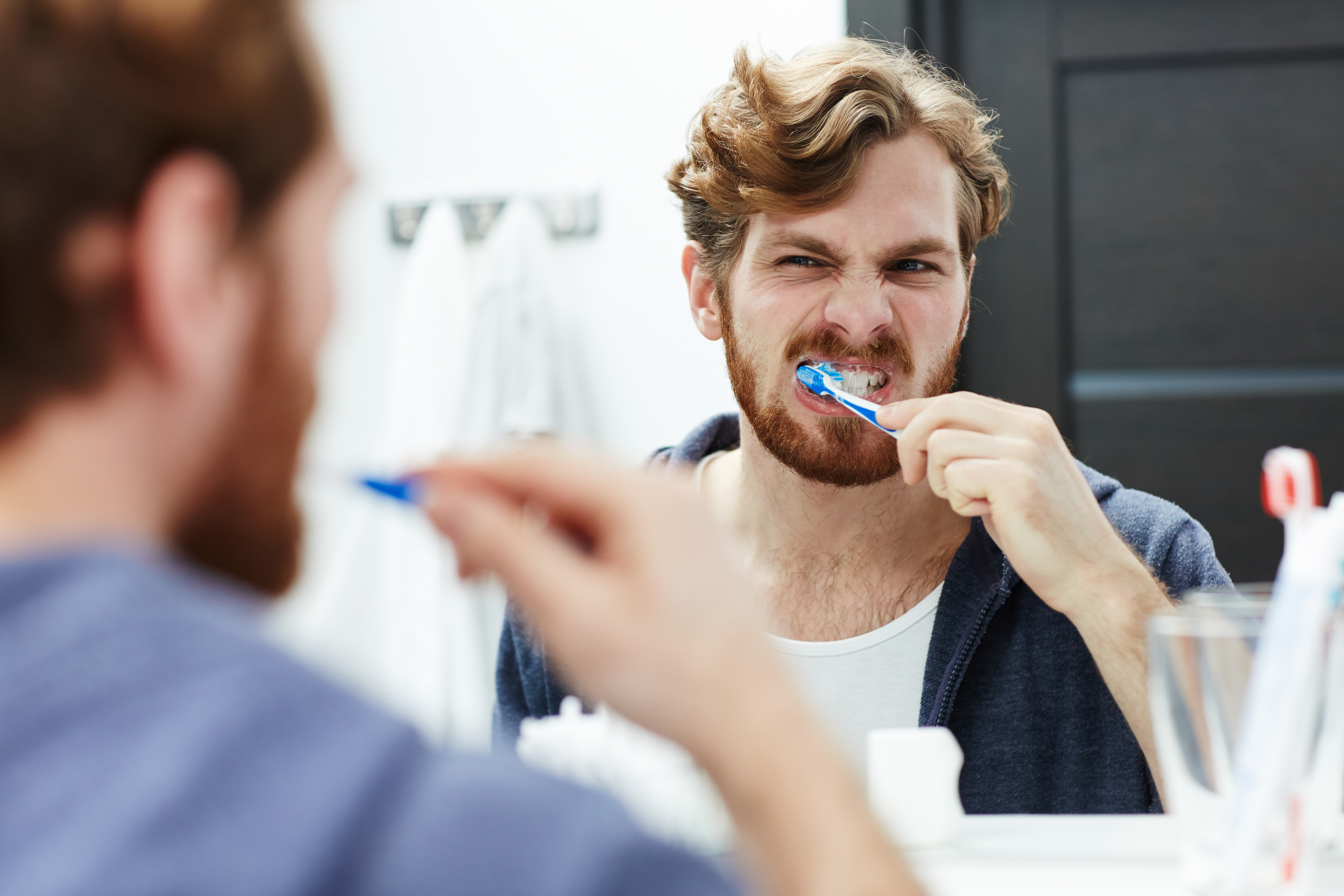
In everyday terms, overbrushing usually shows up in a few common habits that people do without realizing they are harmful:
- Brushing with too much pressure, often thinking it removes more plaque
- Brushing too frequently, especially after every snack or drink
- Using a toothbrush with stiff bristles that are too harsh for gums
- Relying heavily on abrasive or whitening toothpaste
Individually, these habits may not seem like a problem. Over months or years, however, they can gradually wear down enamel and irritate the gumline.

Image by Freepik
Common Signs You Might Be Overbrushing
Because overbrushing damage happens slowly, it is often missed at first. Some of the most common early signs include:
- Tooth sensitivity to cold, heat, or sweet foods
- Gums that look red, sore, or irritated
- Gums slowly pulling away from the teeth
- Teeth appearing longer than they used to
- Small grooves or notches near the gumline
Many people assume these changes are a normal part of aging, which is why they often go unnoticed until a dentist points them out during an exam.
Can Overbrushing Damage Your Gums?
Overbrushing gums is one of the most common causes of non-disease-related gum recession. When excessive pressure is applied repeatedly, the delicate gum tissue begins to pull away from the tooth.
Once gums recede, they do not grow back on their own. Exposed tooth roots can lead to sensitivity and increase the risk of decay.
What Do Overbrushed Gums Look Like?
Gums affected by overbrushing may:
- Look thinner or uneven
- Appear red or inflamed
- Bleed easily during brushing
- Reveal more of the tooth surface
Early intervention can often slow or stop progression, especially when changes are caught early during a routine exam. Regular dental checkups allow your dentist to spot subtle signs of overbrushing and guide you toward small adjustments that help protect your teeth and gums long term.
Can Overbrushing Cause Cavities?
Enamel is the hard outer layer that protects your teeth, but it is not indestructible. Overbrushing teeth can gradually wear this layer down, especially near the gumline where enamel is naturally thinner. Once enamel becomes weakened, teeth are more vulnerable to decay.
While brushing is essential for preventing cavities, overbrushing can have the opposite effect over time. Worn enamel can expose dentin, which is much softer and more prone to damage. It can also create small grooves near the gumline where bacteria tend to collect. Increased sensitivity may even cause people to avoid brushing certain areas altogether, allowing plaque to build up.
This is why gentle technique and consistency matter far more than force, and why early guidance from a dental professional can help prevent long-term issues before they start.
How Often Should You Brush Your Teeth?
How often you brush matters, but not in the way many people think. More brushing does not automatically mean better oral health, and the right frequency depends on how gently you brush, the products you use, and the timing of your routine throughout the day.
Is Brushing More Than Twice a Day Bad?
For most people, brushing twice a day is ideal. Brushing more often is not necessarily harmful, but only if done gently and correctly.
Problems arise when frequent brushing is paired with aggressive pressure or abrasive products.
Timing Matters More Than Frequency
Brushing immediately after acidic foods or drinks can increase enamel wear. Waiting about 30 minutes allows saliva to neutralize acids and protect enamel before brushing.
How to Brush Your Teeth the Right Way
Knowing that overbrushing can cause damage is only half the equation. The next step is understanding what healthy, effective brushing actually looks like in daily practice. Small adjustments in your tools and technique can make a big difference over time.
Choosing the Right Toothbrush
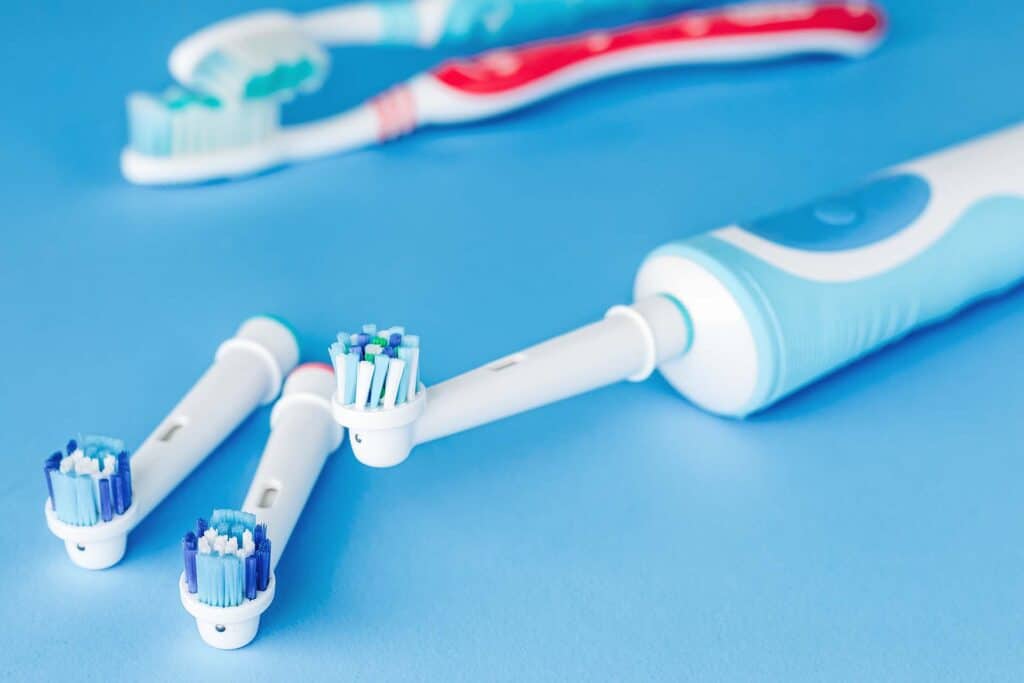
The toothbrush you use sets the foundation for healthy brushing. Most dentists recommend sticking with tools that are gentle on both enamel and gums, since stiffness and excess pressure are common contributors to overbrushing.
Dentists typically recommend:
- Soft-bristled toothbrushes
- Electric toothbrushes with pressure sensors when possible
Hard or medium bristles are more likely to contribute to overbrushing gums and enamel erosion, especially when paired with aggressive technique.
Proper Brushing Technique Dentists Recommend
Even with the right toothbrush, technique matters. Effective brushing focuses on removing plaque without scraping or scrubbing the tooth surface.
Healthy brushing should include:
- Light pressure rather than forceful scrubbing
- A 45-degree angle toward the gumline
- Small, gentle circular motions
- Brushing for two minutes total
If your toothbrush bristles flatten or fray quickly, it is often a sign that you are brushing too hard.
Toothpaste Choices That Protect Enamel
Toothpaste plays a supporting role in protecting enamel and managing sensitivity. Some whitening formulas can be quite abrasive, especially when used daily.
Patients with sensitivity or gum recession often benefit from:
- Low-abrasion toothpaste
- Fluoride to support enamel strength
- Desensitizing formulas
Your dentist can help you choose a toothpaste that aligns with your enamel health and brushing habits.
How to Reverse Damage from Overbrushing
Once damage from overbrushing has started, the focus shifts from reversing it completely to protecting what is still healthy and preventing further progression. The right approach depends on whether enamel, gums, or both have been affected, and how early the changes are caught.
Can Enamel Grow Back?
Enamel does not regenerate, but early damage can often be stabilized. Fluoride treatments and improved brushing habits can help strengthen remaining enamel and reduce sensitivity.
What Helps Protect Overbrushed Teeth and Gums
Protecting teeth and gums after overbrushing usually involves a combination of professional care and small daily adjustments. Depending on your needs, your dentist may recommend:
- Professional fluoride treatments
- Desensitizing toothpaste
- Custom oral hygiene guidance
These measures are designed to reduce discomfort and prevent further wear rather than aggressively treat the tooth surface.
When Gum Damage Needs Professional Care
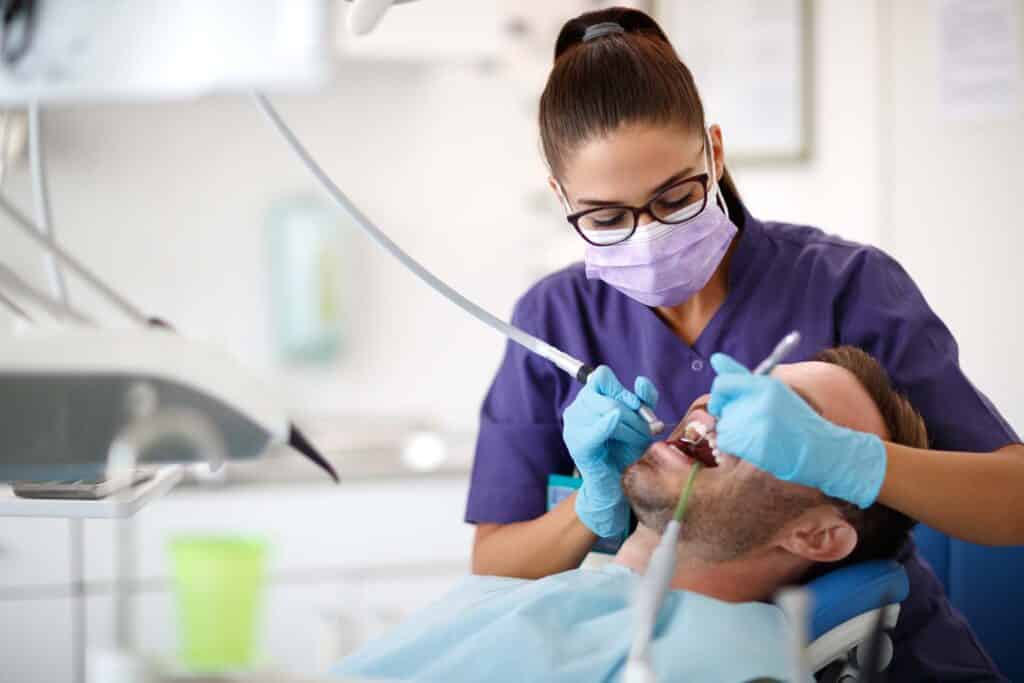
If gum recession is more advanced, professional care may be necessary to protect exposed areas and maintain gum health. Treatment options can include periodontal therapies or laser dentistry to support the gums and help prevent additional tissue loss.
When to See a Dentist About Overbrushing
Not every sign of overbrushing feels urgent, which is why many people put off addressing it. However, changes caused by overbrushing tend to progress slowly and quietly. Knowing when it is time to check in with a dentist can help prevent small issues from turning into long-term damage.
Symptoms That Warrant a Dental Visit
If you are noticing ongoing changes rather than occasional irritation, it may be time to schedule a consultation. Common signs that deserve a closer look include:
- Ongoing tooth sensitivity that does not improve with toothpaste changes
- Gum recession or gums that appear to be pulling away from the teeth
- Pain or tenderness near the gumline, especially during brushing
- Bleeding that continues despite gentle technique and good oral hygiene
These symptoms do not always mean something serious is wrong, but they are often signals that your teeth or gums are under unnecessary stress.
Why Early Intervention Matters
Addressing overbrushing early allows your dentist to identify the cause of the problem and help you correct it before permanent damage occurs. Small adjustments to brushing technique, tools, or products can often make a significant difference when caught early. Seeking guidance sooner rather than later helps preserve your natural teeth, protect your gumline, and avoid more complex treatment down the road.
How Aspire Dental Wellness Helps Protect Your Smile
At Aspire Dental Wellness, protecting your smile starts with understanding how your daily habits affect your teeth and gums over time. Rather than offering one-size-fits-all advice, our team takes a personalized approach to oral hygiene, evaluating your brushing technique, tools, and overall routine. Gentle professional cleanings and preventive exams allow us to catch early signs of overbrushing before they turn into permanent damage, while advanced options like laser dentistry provide a comfortable way to support gum health when additional care is needed. If you have noticed sensitivity, gum changes, or are unsure whether your brushing habits are helping or hurting, scheduling a consultation can help you get clear, personalized guidance and a plan that keeps your smile healthy long term.
FAQs About Overbrushing Teeth
Yes, it is possible to brush your teeth too much, especially if brushing is done with excessive pressure or too frequently. Over time, overbrushing teeth or gums can wear down enamel and irritate the gumline, leading to sensitivity and recession.
Neither approach is helpful. Brushing harder can damage enamel and gums, while brushing longer than recommended does not improve cleaning. Gentle, thorough brushing for about two minutes allows plaque to be removed effectively without causing harm.
Yes. Gum recession caused by overbrushing does not reverse naturally. Once gum tissue pulls away from the tooth, it stays that way, which is why correcting brushing habits early is important to protect the gumline.
Indirectly, yes. When overbrushing wears down enamel, teeth lose an important protective layer. This makes them more vulnerable to decay, particularly near the gumline where enamel is already thinner.