When it comes to finally loving the smile you see in the mirror, veneers are one of the most popular ways to get there. But once you start doing your research, you’ll quickly run into the big question: composite veneers vs porcelain veneers – what’s actually the difference, and which one is right for you?
Both options can give you a stunning smile; it really comes down to your goals, your timeline, and your budget. So before you sit down in your Charlotte, NC dentist’s chair, let’s break down everything you need to know about composite and porcelain veneers – so you can walk in feeling confident about your choice.

Quick Comparison: Composite Veneers vs Porcelain Veneers
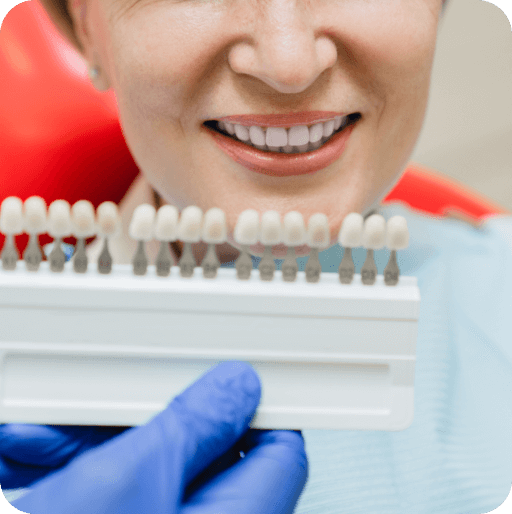
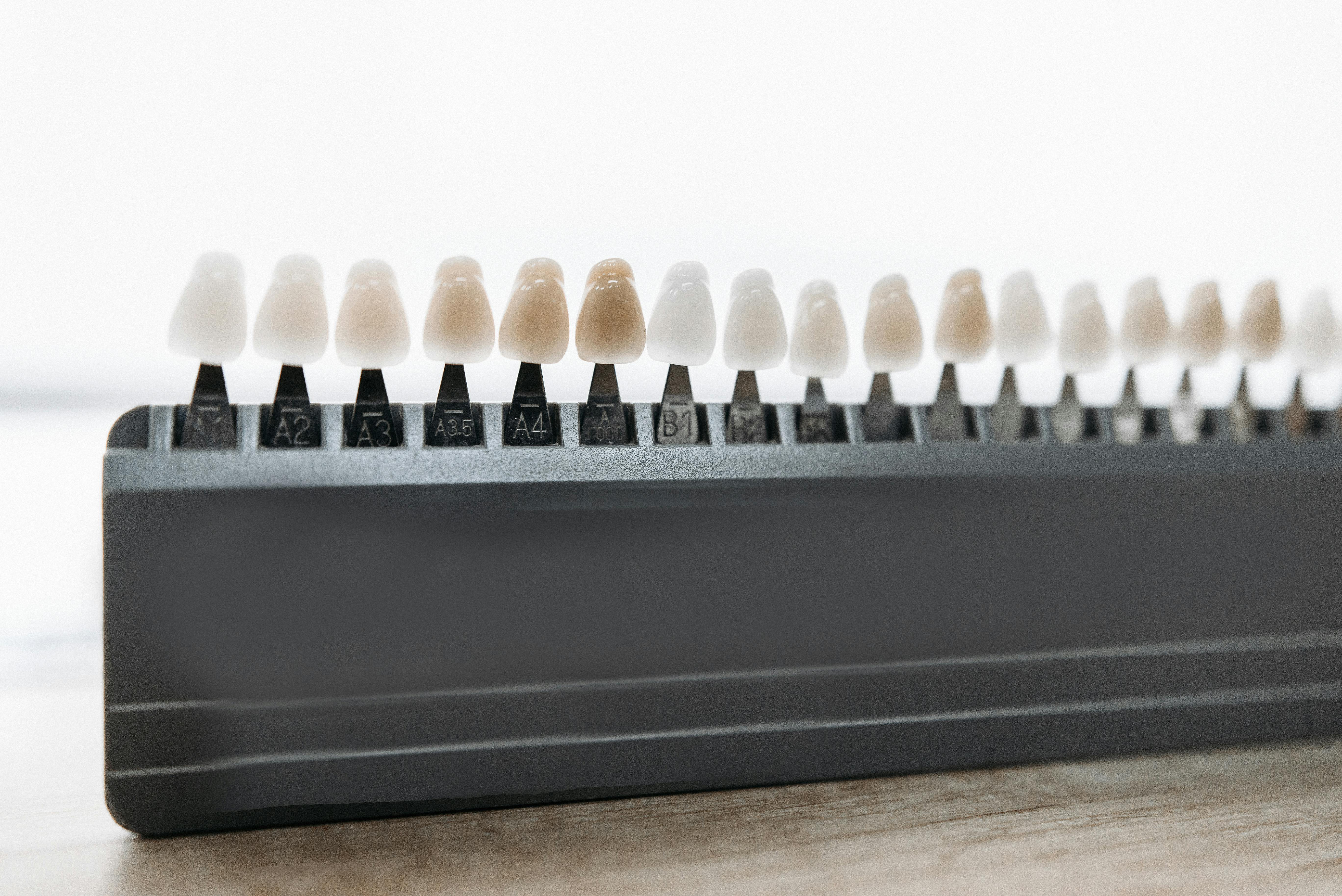
Think of composite veneers as a hands-on, chairside craft – your dentist applies tooth-colored resin directly to your tooth and sculpts it into shape, right then and there. Porcelain veneers, on the other hand, are ultra-thin ceramic shells custom-made in a dental lab and then bonded to your tooth surface for a seamless finish.
Both can seriously elevate the look of your smile – but here’s where they part ways: porcelain tends to win on durability and stain resistance, while composite is the friendlier option if you’re looking for something more affordable with less prep work involved.
What Are Composite Veneers?
If your smile needs a little pick-me-up – think chipped edges, minor gaps, or uneven shapes – composite veneers might be exactly what you’re looking for. Made from the same tooth-colored resin used in dental bonding, composite veneers are a simple, effective way to refresh your smile without a lengthy commitment.
How Do Composite Veneers Work?
The process is actually pretty simple. Your dentist applies the resin directly onto your tooth, carefully sculpts it into the desired shape, and polishes it up – all in a single visit. There’s minimal preparation involved, which means your natural tooth structure stays largely intact throughout the whole process.
Why Patients Love Them
It’s easy to see the appeal. Composite veneers are more budget-friendly than porcelain, can be completed in one appointment, and are a reversible option – so if you ever change your mind down the road, you’re not locked in. They’re also easy to repair if chipped or damaged, making them a practical choice for everyday life. In fact, many patients visiting our Charlotte dentist in SouthPark start with composite veneers as a first step toward their dream smile.
A Few Things Worth Knowing First
Composite veneers are a fantastic option, but they do come with a shorter lifespan than porcelain – typically around five to seven years with proper care. They’re also more prone to staining over time, so your morning coffee habit might be something to think about.

Porcelain Veneers: The Gold Standard for a Reason
When people picture that perfect, camera-ready smile, they’re usually picturing porcelain veneers. These ultra-thin ceramic shells are custom-crafted to fit your teeth like a glove – and the results speak for themselves.
How Porcelain Veneers Are Made
Unlike composite veneers, porcelain veneers aren’t made chairside. After your dentist preps your teeth and takes impressions, your veneers are custom-made in a dental lab to match the exact shape, size, and shade you’re after. Once ready, they’re carefully bonded to your tooth surface for a finish that looks and feels completely natural. The process typically takes two to three visits, but the results are well worth the wait.
Why Porcelain Is So Popular
Porcelain veneers are built to last – with proper care, they can keep your smile looking flawless for anywhere between ten and fifteen years. They’re also highly resistant to staining, so your smile stays bright without a lot of extra effort. And because they’re custom-made to fit your unique smile – something our team at Aspire Dental Wellness, led by Dr. Sladjana Bjelac, takes great care in getting just right – the end result is remarkably natural-looking, even up close.
One thing to keep in mind – porcelain veneers require a little more preparation than composite – a small amount of enamel is removed to make room for the shell, which means the process isn’t reversible. They also come at a higher price point. But for patients looking for a long-lasting, life-changing smile transformation, many find it’s an investment that pays for itself every time they look in the mirror.
Composite Veneers vs Porcelain Veneers: Key Differences
It’s the finer details – from durability to cost to how long you’ll spend in the chair – that really sets these two options apart.
| Feature | Composite Veneers | Porcelain Veneers |
| Material | Tooth-colored composite resin | Ultra-thin ceramic shells |
| Procedure Time | Done in a single visit | Typically two to three appointments |
| Appearance | Natural-looking with a beautiful finish | Remarkably natural and light-reflective |
| Durability | Great for the short to medium term | Built to last ten to fifteen years |
| Stain Resistance | May stain with time | Stays bright with minimal effort |
| Cost | A more budget-friendly option | A longer-term investment in your smile |
| Repairability | Easy to fix if chipped or damaged | Usually replaced rather than repaired |
So, Which Is Better: Composite or Porcelain Veneers?
Both have their strengths – it really comes down to what matters most to you.
Composite Veneers May Be Best If You:
- Want a more affordable cosmetic option
- Need minor cosmetic corrections
- Prefer a quicker treatment completed in one visit
- Want a reversible or minimally invasive option
Porcelain Veneers Might Be the Move If You:
- Want the most natural appearance
- Need long-term durability
- Have significant staining or cosmetic concerns
- Want a long-lasting smile transformation
Factors to Consider When Choosing Between Veneer Types
Choosing between composite and porcelain veneers isn’t just about the end result – it’s about finding the option that works with your life. A few things worth thinking about before you decide.
- Your cosmetic goals – A subtle touch-up or a full smile makeover? Composite works well for minor corrections; porcelain is better suited for more dramatic transformations.
- Budget and long-term investment – Composite is easier on the wallet upfront, but porcelain’s ten to fifteen year lifespan often makes it the smarter investment over time.
- The condition of your natural teeth – Enamel health, alignment, and discoloration severity can all influence which option delivers the best result. Your Charlotte, NC dentist will assess all of this before making a recommendation.
- Your lifestyle habits – a daily coffee, a glass of wine, smoking, or teeth grinding can all affect how your veneers hold up over time – and which type is the better fit for you.
How Your Charlotte Dentist Can Help You Choose the Right Veneers
At Aspire Dental Wellness in Charlotte, Dr. Sladjana Bjelac and our team take the time to truly understand what you want from your smile. We’ll carefully evaluate your teeth, talk through your aesthetic goals, and walk you through which veneer option will give you the most natural, lasting results.
Whether you’re after a subtle refresh or a full smile transformation, veneers can enhance your features, restore balance, and help you feel like yourself every time you laugh, speak, or step into a room.
Ready to find out which veneers are right for you? Schedule your consultation with Aspire Dental Wellness today – and let’s build a smile you’ll love showing off.
FAQs About Composite and Porcelain Veneers
Do composite veneers look as natural as porcelain veneers?
Composite veneers can look great and blend beautifully with your natural teeth – but porcelain has the edge when it comes to mimicking the light-reflective quality of real enamel. Up close, porcelain tends to look that little bit more lifelike.
Can composite veneers be replaced with porcelain later?
Absolutely. Many patients start with composite veneers and upgrade to porcelain down the line – it’s a great way to explore the look before committing to a longer-term solution. Your Charlotte, NC dentist will make sure the transition is as smooth as possible.
Are porcelain veneers stronger than composite veneers?
Yes – porcelain is more durable and resistant to chipping and staining than composite resin. Composite veneers typically last five to seven years, while porcelain can keep your smile looking its best for ten to fifteen years with proper care.
How long does each type of veneer procedure take?
Composite veneers are completed in a single visit – you walk in, and walk out with a new smile the same day. Porcelain veneers typically require two to three appointments to allow for custom fabrication in the dental lab.