
What Is Gum Bleaching?
Gum bleaching, also known as gum depigmentation, is a cosmetic procedure that reduces excess melanin in the gum tissue to create a lighter and more even appearance. Although the term “bleaching” is commonly used, the treatment does not involve whitening products. Instead, the outer pigmented layer is removed, allowing healthy new tissue to regenerate.
People may seek treatment because of naturally dark gums, uneven pigmentation, or discoloration associated with smoking. In many cases, the gums are completely healthy, but some patients simply want a smile with better balance between the teeth and gum tissue.
What Causes Dark Gums?
The color of the gums is largely determined by genetics and melanin production. Individuals with darker skin tones often have naturally darker gums, which is completely normal. Smoking, certain medications, hormonal changes, and previous inflammation can also contribute to increased pigmentation.
Who Is a Good Candidate?
Patients with naturally dark gums, uneven pigmentation, or smoker’s melanosis may benefit from gum depigmentation. Healthy gums are important before treatment, so your dentist will first evaluate for signs of gum disease or inflammation before recommending any cosmetic procedure.

How Does Gum Depigmentation Work?
Several techniques can be used to remove pigmented tissue. The goal of each method is to eliminate the outer layer of gum tissue where excess melanin is present, allowing new, healthier-looking tissue to regenerate.
Laser Gum Depigmentation
At Aspire Dental Wellness, laser technology is used to gently remove the outer pigmented layer of gum tissue while preserving the surrounding area. This approach allows for precise treatment with minimal disruption to the tissue and typically supports a more comfortable recovery.
Traditional Scalpel Technique
Conventional surgical techniques can also be used to remove pigmentation by manually excising the affected tissue. While effective, this method may involve more bleeding and a longer healing period compared to newer approaches.
Other Treatment Methods
Older techniques, including abrasion and chemical depigmentation, are less commonly used today. These methods can still reduce pigmentation, but they are generally less predictable and may involve more discomfort during recovery.

What Happens During the Procedure?
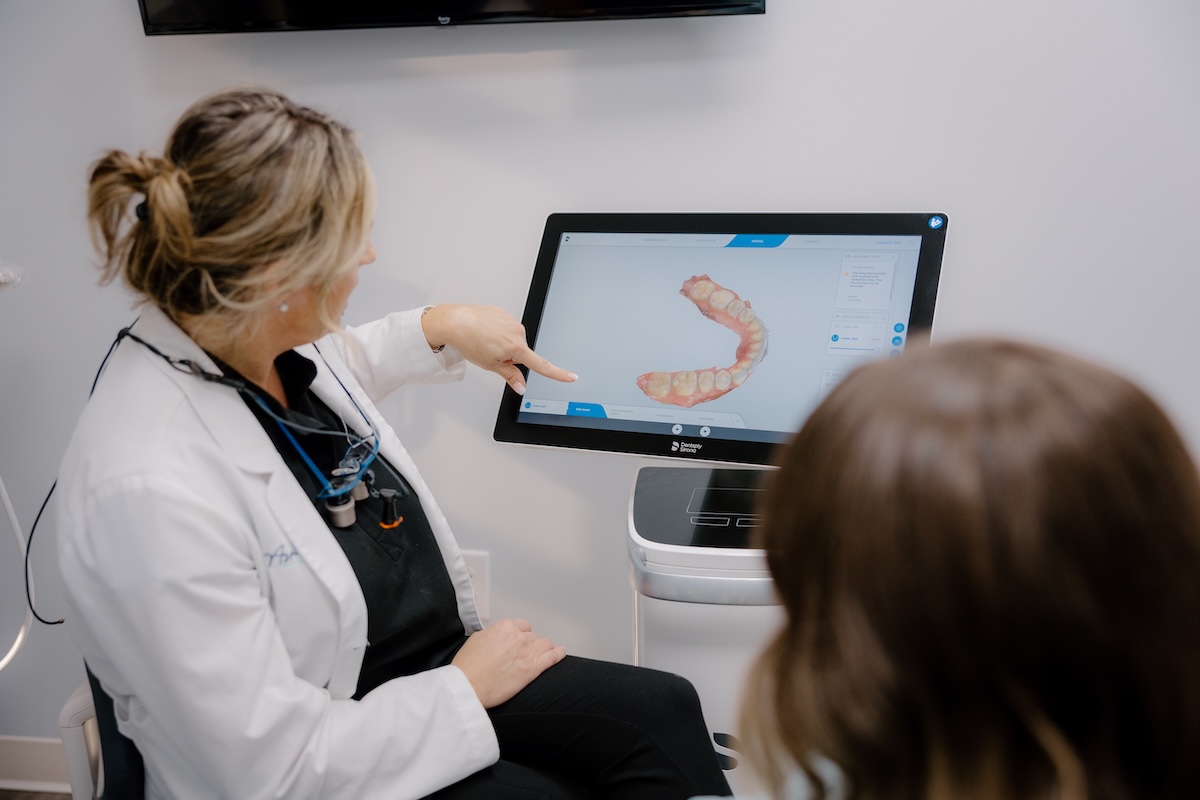
Before treatment, your dentist will evaluate your gum health, discuss your goals, and determine whether gum bleaching is right for you.
Consultation and Treatment
Once treatment begins, the pigmented tissue is carefully removed using laser technology. Depending on the amount of tissue being treated, the procedure can often be completed in less than an hour. Your dentist will provide instructions to support proper healing and a comfortable recovery.
Recovery After Gum Depigmentation
Most patients experience mild tenderness and sensitivity during the first few days. Soft foods and gentle oral hygiene are usually recommended while the tissue heals. Over the next one to two weeks, healthy new tissue forms and the gums gradually develop a lighter, more uniform appearance.
Are There Any Risks or Side Effects?
Like any dental procedure, gum depigmentation carries some temporary side effects. Mild soreness, swelling, and sensitivity are common and generally improve within several days.
In some cases, pigmentation may gradually return over time. Although uncommon, uneven healing or infection can occur, which is why following post-operative instructions and maintaining good oral hygiene are important for a smooth recovery.
How Long Do Gum Bleaching Results Last?
Results from gum depigmentation are often long-lasting, and many patients enjoy a more even gum color for years. Genetics and smoking habits are two of the biggest factors affecting whether pigmentation returns.
If dark areas gradually reappear, touch-up treatment can usually be performed to maintain the desired appearance.
How Much Does Gum Depigmentation Cost?
The cost of gum bleaching depends on several factors, including the size of the treatment area, the complexity of the case, and the technique being used. Laser gum depigmentation may vary in cost from traditional methods, and some patients may require treatment in multiple areas.
Because gum bleaching is considered a cosmetic procedure, dental insurance does not typically provide coverage. During your consultation, your dentist can discuss treatment options and provide a personalized estimate.

Laser Gum Bleaching at Aspire Dental Wellness
Modern laser dentistry has made gum depigmentation more comfortable and predictable than ever. At Aspire Dental Wellness, Dr. Sladjana Bjelac and her team use advanced laser technology to provide precise treatment with minimal discomfort and natural-looking results.
If dark or uneven gums affect the appearance of your smile, a consultation can help determine whether laser gum bleaching is right for you.
Frequently Asked Questions
Most patients tolerate the procedure very well. Depending on the treatment area, your dentist may use local anesthesia to ensure comfort. Mild tenderness afterward is normal and typically resolves within a few days.
Most laser gum bleaching procedures can be completed in about 30 to 60 minutes, although treatment time varies depending on the amount of pigmentation being treated.
Results are long-lasting, but future pigmentation can occur. Smoking and genetics are the primary factors that influence recurrence, and touch-up treatment can be performed if necessary.
The gums continue to heal after treatment, so the final appearance develops gradually. Most patients notice significant improvement within one to two weeks.
Yes. Modern dental lasers have been used safely for many years and allow dentists to treat pigmented tissue with excellent precision while minimizing discomfort and recovery time.