
If you’re interested in a more natural and minimally invasive approach to oral health, you may have heard about ozone therapy. This innovative treatment has become increasingly popular in holistic dentistry because it helps reduce harmful bacteria while supporting the body’s natural healing process.
At Aspire Dental Wellness in Charlotte, Dr. Sladjana Bjelac takes a whole-body approach to dentistry and may incorporate ozone therapy into personalized treatment plans designed to preserve healthy tissues whenever possible. But what exactly is ozone dental treatment, and what kind of results can patients expect?
What Is Ozone Therapy in Dentistry?
Ozone therapy uses medical-grade ozone (O₃), a molecule composed of three oxygen atoms with powerful antimicrobial properties. In dentistry, ozone can be delivered as gas, ozonated water, or ozonated oils to help reduce bacteria and promote healing.
Unlike conventional treatments that focus only on symptoms, ozone therapy is often used alongside preventive, restorative, and periodontal procedures to support overall oral health.
Research has shown that ozone may help eliminate harmful bacteria, fungi, and viruses while improving oxygen supply to tissues and encouraging the body’s natural healing response.
What Conditions Can Ozone Therapy Help Treat?
One reason ozone therapy has become popular in biological dentistry is its versatility. At Aspire Dental Wellness, Dr. Sladjana Bjelac may incorporate ozone therapy into various treatments to create a healthier oral environment and support recovery.
| Condition | Potential Benefits |
| Early cavities | Reduces bacteria and supports remineralization |
| Gum disease | Helps lower inflammation and bacterial levels |
| Root canal therapy | Enhances disinfection |
| Dental implants | Supports healing after surgery |
| Tooth extractions | May reduce discomfort and infection risk |
| Tooth sensitivity | Can help decrease sensitivity |
| Oral infections | Supports tissue healing |
Can Ozone Therapy Replace a Root Canal?
Patients sometimes search for ozone therapy as an alternative to root canal treatment. While ozone has excellent antimicrobial properties, it does not replace conventional root canal therapy when the nerve inside the tooth is infected.
Instead, ozone therapy may be used to improve disinfection and support healing as part of a comprehensive treatment plan.
Benefits of Ozone Therapy
Patients seeking holistic dental care often appreciate that ozone therapy is gentle and designed to work with the body’s natural healing mechanisms.
Potential benefits include:
- Powerful antimicrobial properties
- Reduced inflammation
- Faster healing following oral surgery or periodontal procedures
- Preservation of healthy tooth structure
- Less dependence on antibiotics in some situations
- Comfortable treatment with little or no anesthesia
Because every patient is unique, Dr. Sladjana Bjelac carefully evaluates whether ozone therapy is appropriate as part of an individualized treatment plan.
Is Ozone Therapy Safe?
Safety is one of the most common questions patients have about ozone treatment.
When administered by trained professionals using specialized equipment, ozone therapy is generally considered safe and well tolerated. Proper delivery systems prevent patients from inhaling ozone gas directly, which is why treatment should only be performed by qualified providers.
| Common Questions | Answer |
| Is ozone therapy safe? | Yes, when administered professionally. |
| Are side effects common? | Side effects are uncommon. |
| Can ozone be inhaled? | No. Specialized delivery systems prevent this. |
| Can ozone therapy be done at home? | No. Professional treatment is recommended. |
Current research suggests ozone therapy is most effective when used alongside traditional dental care rather than as a replacement for proven treatments.

What Does an Ozone Therapy Appointment Look Like?
Most patients are surprised by how quick and comfortable ozone therapy can be.
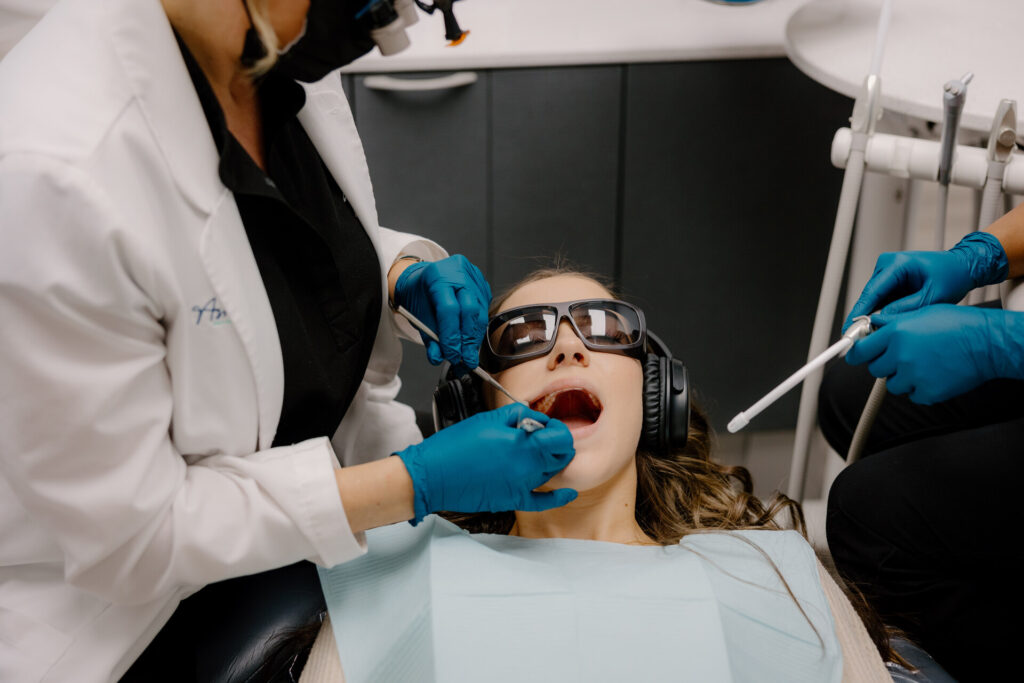
Treatment begins with a thorough examination. If your dentist determines ozone therapy may be beneficial, it can be incorporated into your treatment plan. Depending on the condition being treated, ozone may be applied as gas, water, or oil.
The procedure itself is generally painless and requires little to no downtime. Patients can usually return to their normal activities immediately afterward.
How Much Does Ozone Dental Treatment Cost and How Long Do Results Last?
The cost of ozone therapy depends on the condition being treated and whether it is combined with another procedure. In many cases, ozone therapy is incorporated into a larger treatment plan rather than billed separately.
Long-term results vary depending on your oral health and home care habits.
| Treatment Area | Expected Benefit |
| Early cavities | Helps slow decay progression |
| Gum disease | Supports healthier gums |
| Root canal treatment | Improves disinfection |
| Dental implants | Supports healing |
| Oral surgery | Helps reduce inflammation and discomfort |
Although ozone therapy can help support healing and bacterial control, regular hygiene visits and preventive care remain essential for maintaining long-term oral health.
Experience Holistic Dentistry in Charlotte
If you’re interested in minimally invasive dental care, Dr. Sladjana Bjelac and the team at Aspire Dental Wellness are here to help. During your consultation, we’ll evaluate your oral health and determine whether ozone therapy may be beneficial as part of your personalized treatment plan.
Schedule an appointment with Aspire Dental Wellness to discover how holistic dentistry can support your smile and overall well-being.
Frequently Asked Questions
Research suggests ozone therapy can help reduce harmful bacteria and support healing when used alongside conventional dental treatment.
Most patients experience little to no discomfort during treatment.
Results depend on the condition being treated and your oral hygiene habits. Ongoing preventive care is essential for maintaining long-term benefits.
In some situations, ozone therapy may help reduce reliance on antibiotics, but conventional treatment is still necessary when indicated.
No. Ozone therapy should only be administered by trained dental professionals using specialized equipment.