If you’re scheduled for a periodontal deep cleaning and want to know what you’re actually walking into – you are not alone. There’s a lot of uncertainty around how long treatment takes and whether it hurts, but most patients at Aspire Dental Wellness are surprised by how straightforward it turns out to be.

What Is a Periodontal Cleaning?
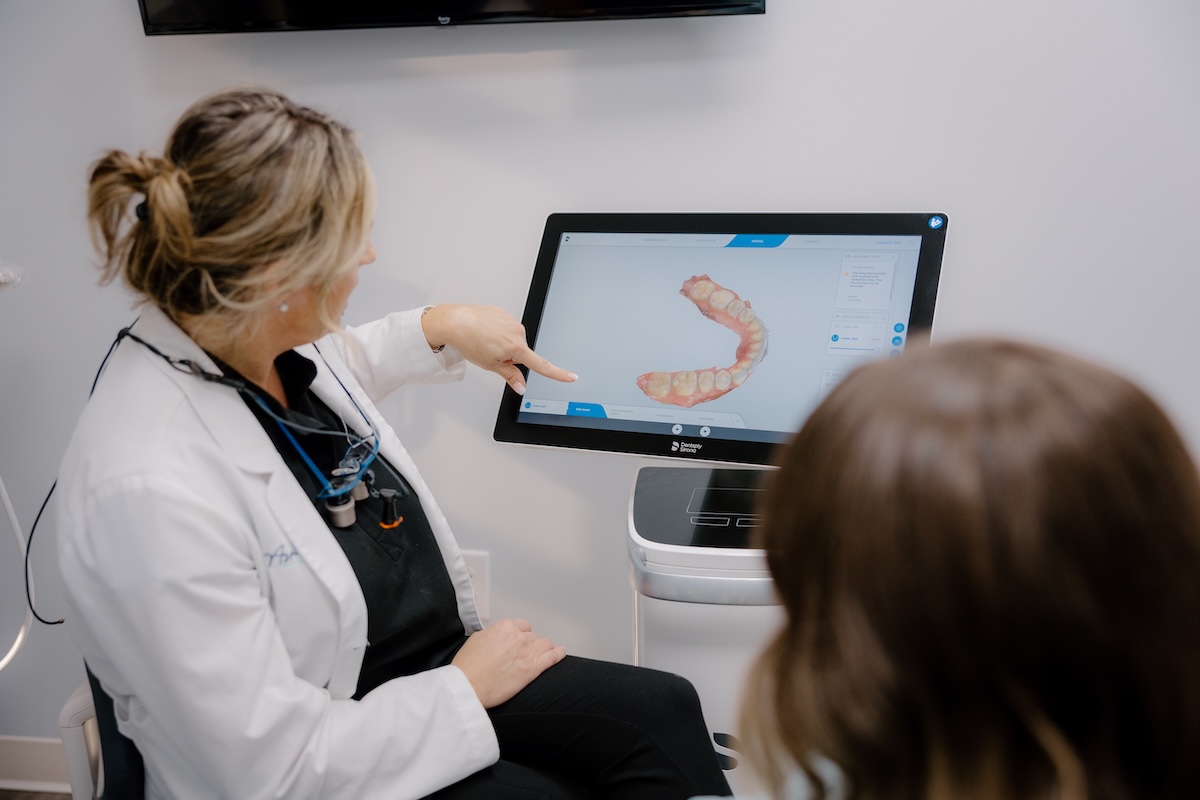
A periodontal cleaning – also called scaling and root planing – is a non-surgical dental procedure designed to treat gum disease at its source. Unlike a standard cleaning that focuses on the surfaces of your teeth, a periodontal cleaning reaches below the gumline to remove the buildup that’s causing infection and inflammation in the tissue and bone supporting your teeth.
It’s actually a treatment, not just a cleaning. The goal is to stop gum disease from progressing, give your gums a chance to heal, and reattach to your teeth where they’ve started to pull away.
Why You Might Need Periodontal Disease Cleaning
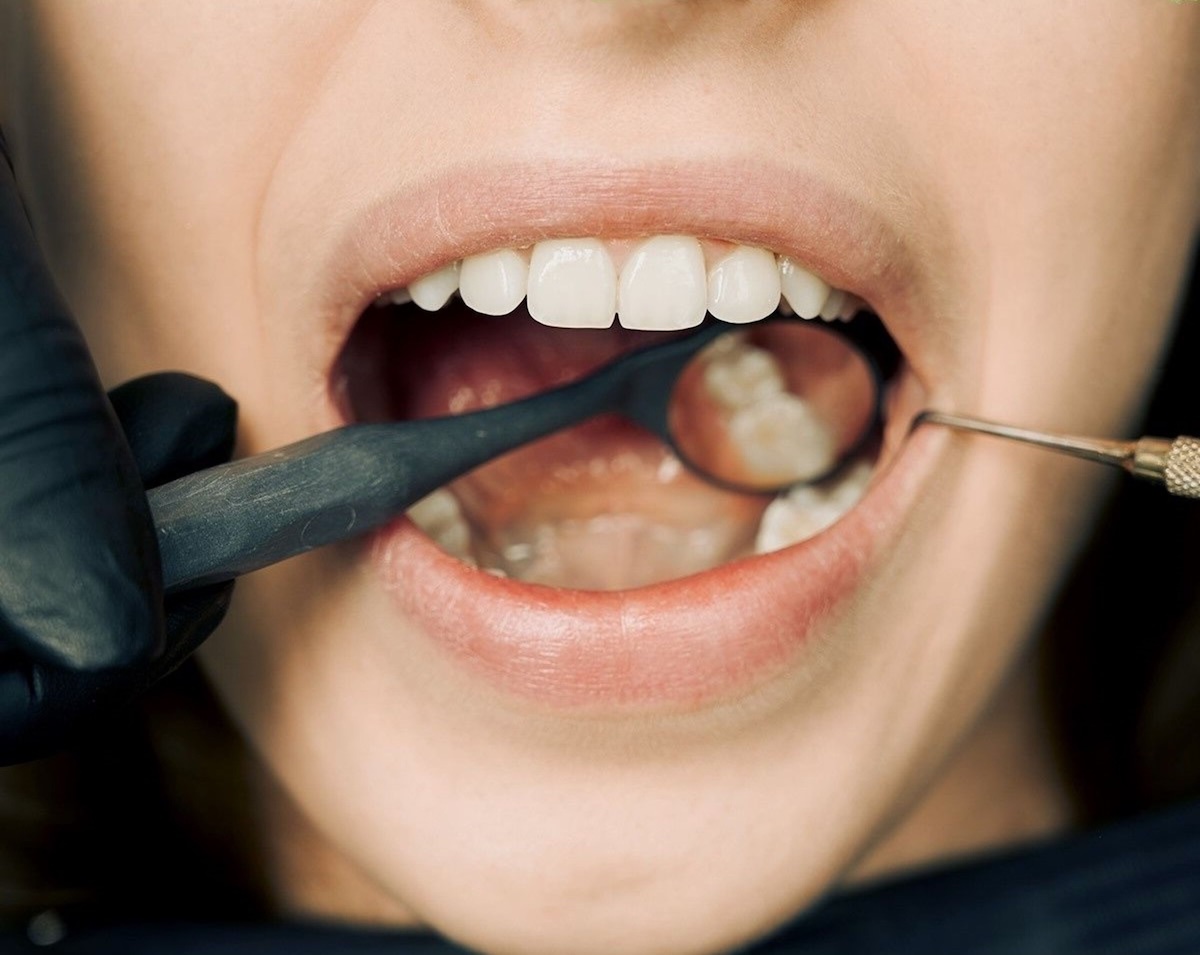
Gum disease develops gradually, often without obvious pain, which means many people don’t realize there’s a problem until a dentist measures their gum pockets during an exam.
Your Charlotte, NC dentist may recommend a periodontal deep cleaning if you have:
- Gum pockets deeper than 4mm (healthy pockets measure 1-3mm)
- Visible tartar buildup below the gumline
- Gums that bleed easily, appear red or swollen, or have started to recede
- Bone loss visible on X-rays
- A diagnosis of gingivitis that hasn’t responded to regular cleanings
The earlier it’s caught, the more straightforward treatment tends to be – which is one of the best reasons to stay current with your dental exams.
Periodontal Cleaning vs Regular Cleaning
Periodontal deep cleaning and periodontal maintenance are two different things, and this comes up a lot, so it’s worth being clear about where one ends and the other begins.
Deep cleaning is the treatment. It’s what happens when active gum disease needs to be addressed: removing infection, allowing the tissue to heal, and stopping the disease from progressing.
Periodontal maintenance comes after. Once your gums have responded to treatment, you’ll transition to a maintenance schedule designed to keep things stable long-term. It’s more thorough than a regular cleaning, but less intensive than the initial deep cleaning.
Deep cleaning gets you back to a healthy baseline. Maintenance is how you protect it going forward.

How Does Periodontal Deep Cleaning Work?
The procedure has two distinct phases, which is where the name “scaling and root planing” comes from.
Scaling is the first step. Using specialized instruments, either hand scalers or an ultrasonic device, your hygienist carefully removes all plaque, tartar, and bacterial deposits from the tooth surface, from the gumline all the way down to the base of the pocket. Think of it as a reset – clearing out everything that shouldn’t be there so your gums finally have a clean slate to work with.
Root planing follows. Once the deposits are cleared, the root surface is smoothed out. This is important because a rough root surface gives bacteria more places to grip and recolonize. A smooth surface makes it much harder for them to resettle and encourages the gum tissue to reattach to the tooth.
How involved the treatment is depends on the severity of your condition – some patients are done in two appointments, others may need a little more time to get everything done properly. At Aspire Dental Wellness, Charlotte dentist Dr. Sladjana Bjelac and her team make sure this step gets the attention it deserves – because done well, it’s what gives your gums the best possible chance to heal.
Laser vs Traditional Deep Cleaning
At Aspire Dental Wellness, patients also have the option of laser deep cleaning – and for many people, it’s a game changer.
Instead of traditional instruments, laser deep cleaning uses precise laser energy to remove bacteria and diseased tissue from the gum pocket. It targets exactly what needs to go while leaving healthy tissue untouched. There’s no cutting, no sutures, and healing tends to be faster with noticeably less soreness afterward.
Traditional deep cleaning works for certain patients as well – the right choice comes down to your specific situation, and Dr. Bjelac will help you figure out which one makes the most sense after your evaluation.
How Long Does a Periodontal Cleaning Take?
Most periodontal deep cleaning appointments are divided into two sessions, with each session covering one side of the mouth. Each appointment typically runs about 60 to 90 minutes.
Why split it up? It limits the area that’s numb at one time, gives one side a chance to begin healing while the other is treated, and is generally easier on the patient. In less severe cases, some patients complete the full mouth in a single longer visit – your Charlotte dentist will recommend what makes sense for you.
What to Expect After Treatment
The first day or two is when you’ll notice the most sensitivity. Some gum tenderness and slight bleeding are completely normal, and teeth may be more reactive to hot or cold for a few days while things settle. Your gums might also look a little different as swelling goes down – that’s actually a good sign.
Most patients feel back to normal within a week. A follow-up with our team is typically scheduled four to six weeks later to check how the gum pockets have responded.
Tips for Easier Recovery
A few simple steps make a meaningful difference in how quickly you heal:
• Keep brushing and flossing, but be gentle around treated areas. Avoiding oral hygiene makes things worse, not better.
• Stick to softer foods for the first couple of days – nothing sharp, crunchy, or very hot.
• Over-the-counter pain relievers like ibuprofen work well for managing any discomfort, especially in the first 24 hours.
• Rinse with warm salt water a few times a day to soothe tissue and reduce bacteria.
• Avoid smoking. Smoking significantly impairs gum healing and is one of the strongest risk factors for gum disease progressing.
Does Periodontal Cleaning Hurt?
During the procedure itself, you should feel very little. Periodontal deep cleanings are done with local anesthesia, so the actual scaling and root planing isn’t painful – some patients feel pressure or vibration from the instruments, but not pain.
Afterward, some soreness is normal once the anesthesia wears off, but it typically fades within a few days and is easily managed with over-the-counter medication.
If you have dental anxiety, you’re in good hands. Aspire Dental Wellness takes a holistic approach to patient care – that means anxiety management is part of the conversation, not an afterthought. Just let us know and we’ll make sure you’re comfortable from start to finish.

When to See a Dentist
If your gums bleed when you brush, feel tender, or you’ve noticed persistent bad breath – that’s your sign. The sooner gum disease is caught, the simpler treatment tends to be. There’s never a wrong time to come in and just know where you stand.
Worried about cost? Aspire Dental Wellness offers a membership plan that makes periodontal care accessible even without insurance – worth a look before you put it off.
Ready to take the next step? Schedule a consultation with Dr. Bjelac and we’ll take it from there.
FAQs About Periodontal Cleaning