
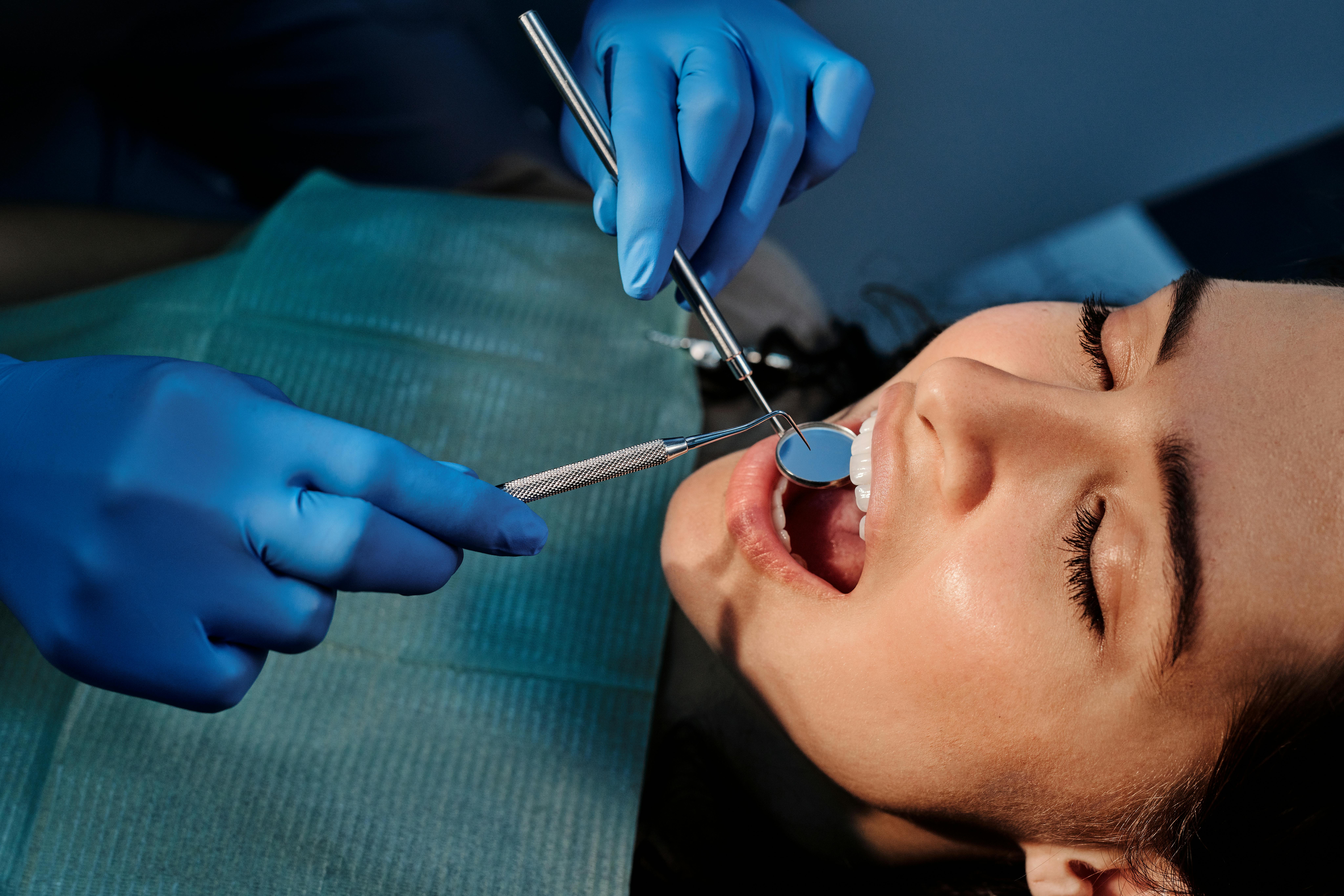
If you’re looking to enhance your smile, you may be comparing teeth bonding vs veneers – unsure which suits you better. These options both handle problems such as chips, discoloration, gaps, or jagged edges, yet they stand apart when it comes to how long they last, and what kind of look they give. At Aspire Dental Wellness in Charlotte, NC, Dr. Sladjana Bjelac helps patients understand the differences between dental bonding and veneers, taking into account their personal needs, daily habits, and the condition of their teeth. This personalized and holistic approach ensures results that are both beautiful and long-lasting.
Understanding Teeth Bonding and Veneers
Both treatments can enhance your smile, but they work differently. Understanding the differences between bonding and veneers can help you decide which treatment best suits your goals.
What Is Teeth Bonding?
Composite bonding, also known as tooth bonding, involves applying a tooth-colored composite resin – a blend of acrylic and fine glass particles – to targeted areas of the tooth. Once shaped, the material is hardened with a special light and polished to seamlessly match the rest of your natural tooth.
It’s ideal for repairing:
- Small chips and cracks
- Gaps between teeth
- Slight discoloration or unevenness
The procedure is quick and minimally invasive, often completed in a single visit without the need for anesthesia or significant alteration to the natural tooth structure. Most patients experience no discomfort and see immediate results. Before beginning treatment, your dentist in Charlotte, NC will perform a thorough evaluation to ensure bonding is the best option for you.
What Are Veneers?
Veneers are thin porcelain or composite shells bonded to the front of your teeth. They can completely transform your smile by improving tooth shape, size, and color. To prepare your teeth for veneers, your dentist gently removes a thin layer of enamel(the tooth’s outer surface) to ensure the veneers fit precisely and blend naturally with your smile.
They resist staining from coffee, tea, or even red wine. Although the process usually takes two visits, one for preparation and one for placement, many patients choose veneers because they are durable, natural-looking, and provide long-lasting results. To achieve the best results for your smile, it’s important to choose a skilled veneers dentist in Charlotte, North Carolina who can customize treatment to your needs and preferences.

Dr. Sladjana Bjelac, leading dentist at Aspire Dental Wellness in Charlotte, NC.
Key Differences Between Veneers and Bonding
When comparing veneers vs bonding, the main differences involve preparation, material, durability, and results. Bonding uses composite resin and works best for small cosmetic fixes. It’s more affordable and can be completed in one visit, but it typically lasts around five years before touch-ups are needed. Veneers, made from porcelain, can last 10 to 15 years or longer with proper care. They are stronger, more stain-resistant, and provide a natural, glossy finish. Although veneers cost more upfront, their long-term benefits and appealing look make them a worthwhile investment.
Veneers vs Composite Bonding Which One Looks More Natural?
If your goal is a smile that looks as natural as possible, porcelain veneers generally provide a more lifelike result. They reflect light similarly to natural enamel, creating a bright yet natural shine.
In cosmetic dentistry, both veneers and composite bonding are popular options to enhance your smile, depending on your needs. Composite bonding also looks attractive but may lose some luster over time as resin material can dull or stain.
Cost and Longevity: What to Expect
Cost and durability are key factors when choosing between bonding and veneers. Bonding is more affordable upfront, but since the resin is softer, it may require repairs or replacements after several years.
Veneers cost more initially but are highly durable and long-lasting. Many patients find that veneers save money over time because they resist staining and wear. An experienced dentist in Charlotte, NC helps patients find the best balance between budget and long-term value through customized treatment plans.

Pros and Cons Summary
Knowing what works and what doesn’t – with every option lets you pick smarter based on what you want.
| Advantages of Teeth Bonding | Advantages of Veneers |
| Quick and affordable | Extremely natural appearance |
| No enamel removal | Long-lasting and durable |
| Great for small flaws | Resistant to stains |
| Painless and reversible | Perfect for full smile makeovers |
Potential Drawbacks
- Bonding: While a quick and affordable option, composite bonding can be more prone to chipping, staining, or developing surface marks over time. Regular care and occasional touch-ups may be needed to maintain its appearance.
- Veneers: Porcelain veneers are highly durable and stain-resistant, but the procedure requires removing a small amount of enamel from your natural teeth. They also involve a higher upfront cost, though their longevity and aesthetics often make them a worthwhile investment.
Ideal Candidates for Each Treatment
Bonding is best for patients with small chips, light discoloration, or minor gaps. It’s a fast, budget-friendly solution for subtle improvements.
Veneers are ideal for those wanting a full smile transformation or who have multiple cosmetic concerns such as worn enamel or deep stains. Dr. Sladjana Bjelac provides personalized guidance to help each patient choose the treatment that fits their lifestyle and vision.
Aftercare and Maintenance Tips
Proper care ensures your results last and your smile stays bright. Brush twice a day with a soft-bristled toothbrush, floss daily, and avoid biting hard foods or opening items with your teeth. Limiting dark beverages like coffee and red wine helps maintain color and shine.
Regular checkups at Aspire Dental Wellness keep your bonding or veneers looking their best and your mouth healthy long-term.
How to Choose Between Teeth Bonding and Veneers
Choosing between teeth bonding and veneers depends on your smile goals, the timeframe you have in mind, and the condition of your natural teeth. If you want a quick and affordable fix, bonding might be the right choice. If you prefer a long-term, highly aesthetic result, veneers are likely better suited to your needs.
To decide confidently, schedule a cosmetic consultation with our team at Aspire Dental Wellness in Charlotte, NC to discuss which option will help you achieve your ideal smile.
FAQ
Teeth bonding typically lasts 3 – 7 years, while porcelain veneers can last 10 – 15 years or longer with good oral care and maintenance. With regular dental checkups and gentle daily habits, both can stay looking their best for years.
Right! You can begin with bonding without locking yourself out of getting veneers down the line. If you decide to switch, your dentist gently takes off the old material then fits new veneers – tougher, built to last, giving your grin an extra boost.
Absolutely. Veneers offer exceptional durability, stain resistance, and a natural appearance. They’re often considered a long-term investment in your smile and confidence.
No, teeth bonding is a painless, noninvasive procedure that doesn’t usually require anesthesia. Most patients are comfortable throughout the process and return to their normal routine immediately after.
Yes, porcelain veneers tend to look more natural because they reflect light like real enamel and maintain their brightness over time. They also resist staining, helping your smile stay radiant for many years.