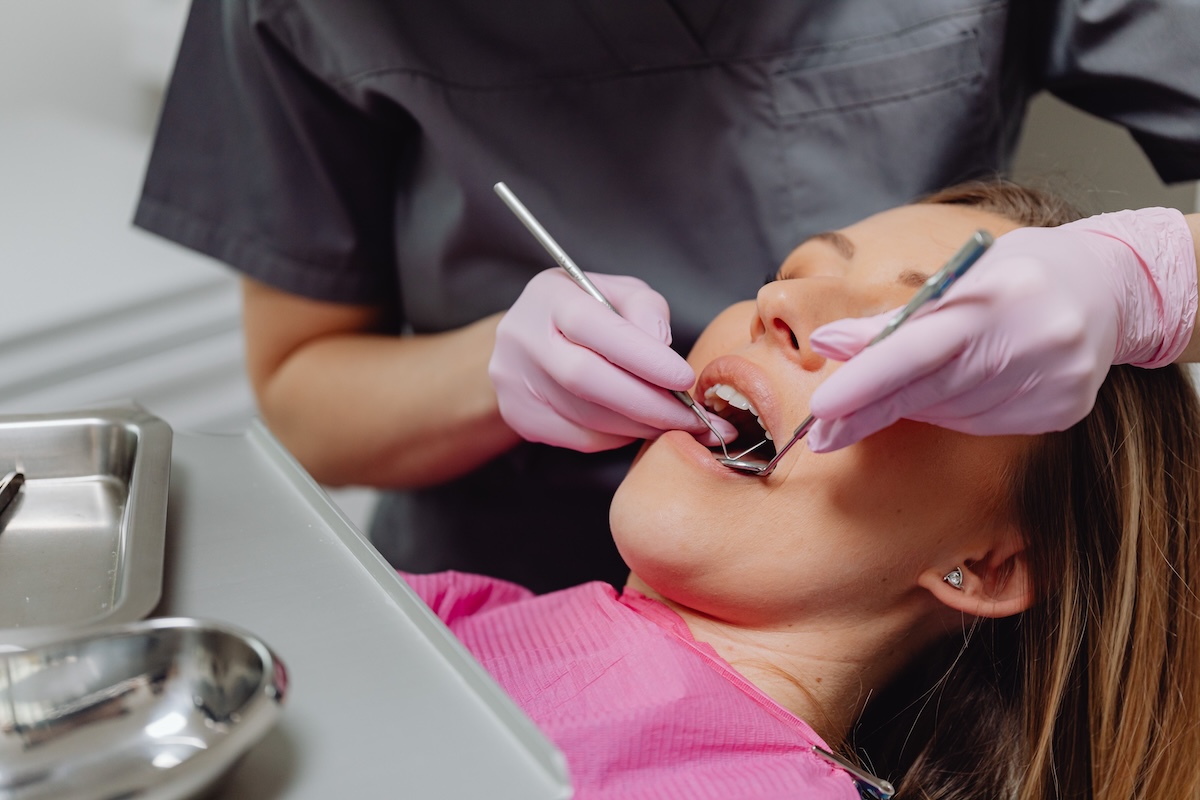
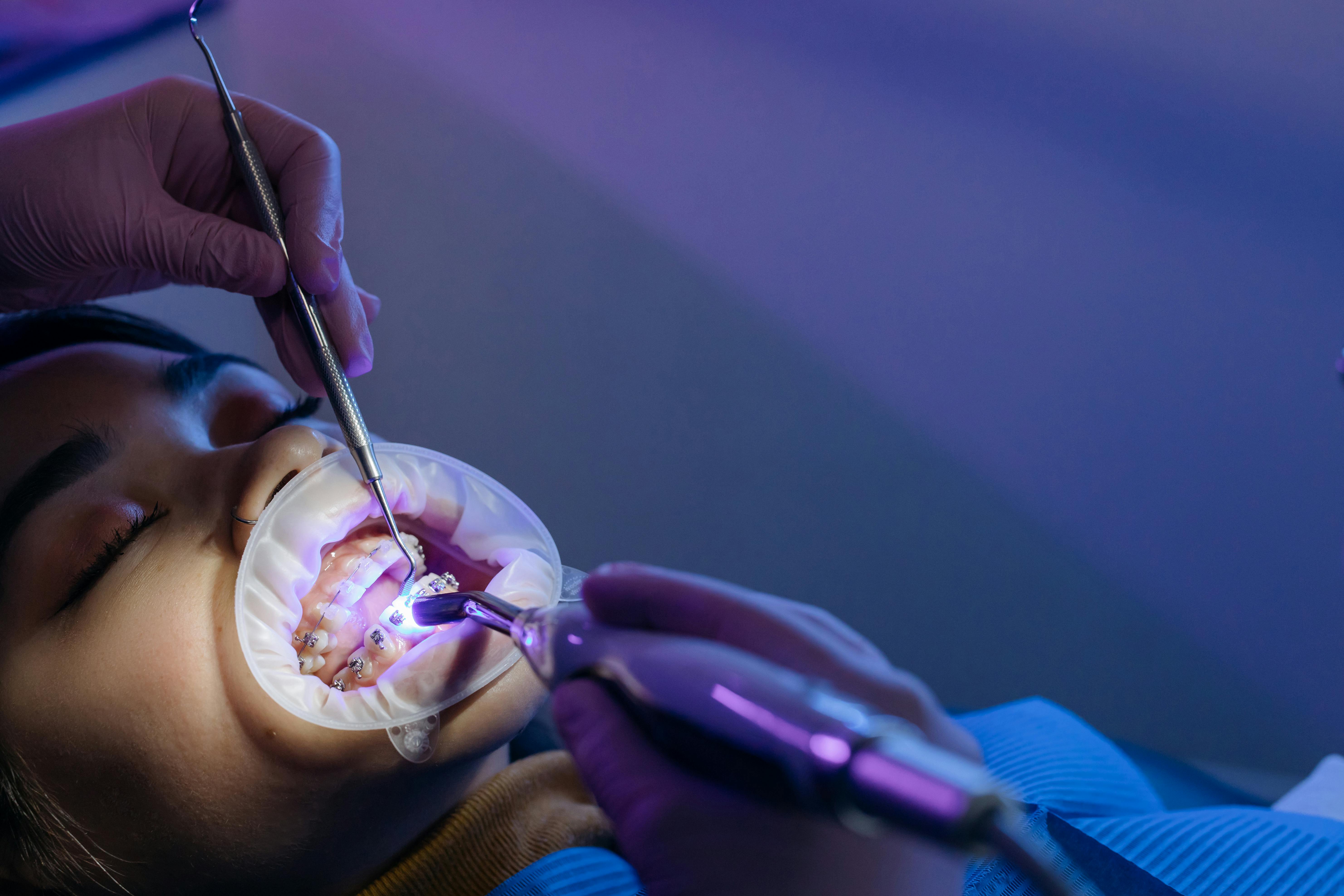
You just had your braces removed, and you can’t wait to show off your smile. The straightened teeth are there – the color, not so much. Uneven tones and teeth whitening after braces stains are more common than you’d think, and they can catch you off guard after all that hard work. If you’re wondering where to even start with whitening teeth after braces, don’t worry – we’ve got you covered. Let’s dive into the timing, the options, and everything worth knowing about teeth whitening after braces removal – because a straight smile deserves to shine.

Quick Answer: Can You Do Teeth Whitening After Braces?
Short answer – yes, absolutely. But before you grab a whitening kit on your way home from the dentist in Charlotte, NC, there are a couple of things worth knowing. Timing and method matter more than most people realize. Most dentists recommend waiting a few weeks after braces removal before starting any whitening treatment, giving your enamel a chance to settle and your teeth time to adjust. When you do start, professional whitening is typically the safest and most effective route – especially when dealing with the kind of uneven discoloration that braces can leave behind.
Why Teeth Look Stained or Uneven After Braces Removal
So, you’ve got your braces off – and instead of the pearly smile you imagined, you’re looking at patches, uneven tones, or chalky white spots. Turns out, teeth whitening after braces stains is such a common concern precisely because braces create the perfect conditions for discoloration to develop. Here’s what’s actually going on.
Plaque Build-Up Around Brackets
Brackets and wires make brushing a real challenge. No matter how diligent you are with your brushing technique, plaque tends to accumulate in the nooks and crannies around each bracket over months – sometimes years – of treatment. Over time, that buildup leads to yellowing or darker patches on the enamel, which only become fully visible once the hardware comes off.
White Spots (Decalcification) Explained
Those chalky, opaque patches you might notice after braces removal have a name: decalcification. It happens when acids from plaque slowly strip away minerals from the enamel, leaving behind weak, discolored spots. The tricky part? They’re often hidden under the brackets during treatment, so the contrast only becomes visible once the braces are gone.
Uneven Exposure to Food and Drinks
Coffee, tea, wine – your usual suspects. The areas of your teeth that were exposed throughout treatment absorbed staining from food and drinks, while the areas tucked under brackets were completely protected. The result? A two-tone effect that can look quite noticeable after the grand reveal.
Poor Oral Hygiene During Orthodontic Treatment
Braces make even the most dedicated brusher’s life harder. The tight spaces around brackets and wires are simply difficult to clean thoroughly, and over months of treatment, those missed spots can lead to deeper staining in the areas hardest to reach. The good news? It’s completely fixable.

Teeth Whitening Before or After Braces: What’s Better?
If you’re weighing up teeth whitening before or after braces, the answer is pretty clear – after wins every time.
Why Whitening Before Braces Isn’t Ideal
It might seem like a good idea to go in with a bright, white smile before your orthodontic journey begins. The problem? Brackets attach directly to your teeth, meaning the areas underneath won’t be touched by any whitening treatment. By the time your braces come off, the exposed areas will have shifted in shade while the covered areas stay frozen in time – leaving you with an even more uneven result than if you hadn’t whitened at all.
Why Whitening After Braces Is Recommended
Once your braces are off, your dentist can see the full picture – literally. All the staining, uneven tones, and white spots are visible and treatable in one go. At Aspire Dental Wellness, we believe in a holistic approach to your smile, treating it as a whole rather than in pieces. Whitening after braces removal means you’re working with your complete smile, not just parts of it, which makes for a much more even and satisfying result.
Best Timing After Braces Removal
Patience is the name of the game. Most dentists recommend waiting four to six weeks after braces removal before starting any whitening treatment. This gives your enamel time to remineralize and your teeth time to settle into their new positions. Jumping in too soon can lead to increased sensitivity and uneven results – so sit tight, and let your smile recover before the transformation begins.
Best Teeth Whitening After Braces: Professional Options
When it comes to the best teeth whitening after braces, professional treatments are the gold standard. At-home kits have their place, but if you’re dealing with uneven coloring or deeper stains after months of orthodontic treatment, your Charlotte dentist is your best starting point.
In-Office Professional Whitening (Fastest Results)
If you want results you can actually see the same day, in-office whitening is the way to go. Your dentist applies a high-concentration bleaching gel directly to your teeth, delivering immediate visible improvement in a single appointment. Because the treatment is applied by a professional, it covers all teeth evenly – no patchy results. It’s particularly effective for deeper stains that at-home products simply can’t touch.
Laser Teeth Whitening for Quick Transformation
Laser whitening takes in-office treatment one step further. A laser light activates the bleaching gel, accelerating the process and amplifying the results. It’s a great option for patients with busy schedules who want a noticeable transformation without committing to weeks of at-home treatment.
Custom Take-Home Trays from Your Dentist
Custom take-home trays from your dentist give you the flexibility of at-home whitening with the power of professional-grade gel. The trays are molded to fit your teeth perfectly, ensuring even coverage across every surface. Results are more gradual, but the upside is more control over the process – and typically less sensitivity than in-office treatments.

At-Home Whitening Options After Braces
Professional treatments are the gold standard – but they’re not the only option. For milder cases of discoloration, whitening teeth after braces at home can be a perfectly reasonable starting point. Here’s what’s worth trying and what has its limits.
Whitening Strips: Are They Safe After Braces?
One of the most common questions we hear at Aspire Dental Wellness: can I use whitening strips after braces? The short answer is yes, but not right away. Whitening strips are safe to use once your enamel has had time to stabilize, typically four to six weeks after removal. They work well for mild surface discoloration, are easy to use, and widely available. Just don’t expect them to tackle deeper stains or white spot lesions – that’s a job for your dentist.
Whitening Toothpaste and Gels
Whitening toothpastes and gels are a great addition to your daily routine, but it’s important to keep expectations realistic. They’re best used as a maintenance tool – great for keeping your smile bright after a professional treatment, but limited in their ability to make a noticeable dent in deeper stains. Think of them as the finishing touch, not the main event.
Over-the-Counter Kits vs. Professional Treatments
It’s tempting to reach for an over-the-counter kit – they’re affordable, convenient, and widely available. But when it comes to post-braces discoloration, there’s a real gap between what OTC products can do and what professional treatments deliver. OTC kits use lower concentrations of whitening agents, which means slower, less dramatic results. Professional treatments, on the other hand, are safer, faster, and longer-lasting – and tailored specifically to your smile.
How to Whiten Teeth with Braces (If You Still Have Them)
Still in the middle of your orthodontic treatment and wondering how to whiten teeth with braces? The honest answer – now is not the time. Any whitening product applied while brackets are still in place will only affect the exposed areas of your teeth, setting you up for an even more uneven result once the braces come off. Skip the strips, gels, and trays for now.
What you can do is focus on hygiene. Regular professional cleanings will keep staining and plaque buildup under control throughout treatment, and a whitening toothpaste can offer a mild brightening effect in the meantime. Neither will transform your smile, but both will make a real difference when whitening time finally comes.
How Long Does Whitening Last After Braces?
The results of teeth whitening after braces can last anywhere from several months to a few years – and how long yours last comes down to a few key factors. Diet plays a big role; coffee, red wine, and smoking are the fastest ways to undo your results. Oral hygiene habits matter just as much: consistent brushing, flossing, and regular dental cleanings go a long way in protecting that hard-earned brightness. The type of whitening treatment you choose also makes a difference, with professional treatments generally outlasting anything you’d pick up over the counter.
Common Mistakes to Avoid After Braces Removal
Getting your braces off is exciting – but a few missteps can get in the way of the smile you’re after. Here’s what to watch out for:
- Whitening too soon after removal: Your enamel needs time to recover. Jumping in too early can cause sensitivity and uneven results.
- Overusing whitening products: More isn’t better. Overdoing it can weaken enamel and make sensitivity worse over time.
- Ignoring white spots or enamel damage: Standard whitening won’t fix white spot lesions – and in some cases, can make them more visible. Get them checked before you start.
- Skipping dental consultation: Every smile is different. A quick visit to your Charlotte dentist in SouthPark can save you a lot of trial and error.
When Stains Don’t Go Away: Alternative Cosmetic Options
Sometimes whitening alone isn’t enough – and that’s okay. Certain types of post-braces discoloration, particularly white spot lesions or deeper enamel damage, need a different approach altogether. The good news? Dr. Sladjana Bjelac and her team at Aspire Dental Wellness offer excellent cosmetic options that can get you there. Dental bonding covers white spots with a tooth-colored resin that blends seamlessly with the surrounding enamel, while veneers deliver a uniformly bright smile even in the most stubborn cases of discoloration.
How to Maintain Your Bright Smile After Whitening
Getting your smile white is one thing – keeping it that way is another. A few simple habits go a long way:
- Brush and floss consistently: The basics never get old. Twice a day, every day.
- Limit staining foods and drinks: Coffee, red wine, and dark sauces are the usual culprits. Enjoy them in moderation.
- Use a straw: It sounds small, but sipping coffee or soda through a straw significantly reduces contact with your enamel.
- Schedule regular dental cleanings: Professional cleanings catch surface staining before it has a chance to set in.
Conclusion: A Straighter Smile Deserves to Shine
Discoloration after braces is completely normal – and far more common than most people expect. The important thing to know is that it’s temporary and very treatable. Whether you go the professional route or start with an at-home option, whitening teeth after braces is safe and effective when done correctly. Not sure where to start? Schedule a consultation – Dr. Sladjana Bjelac and her team at Aspire Dental Wellness are here to help you cross that finish line – because a straight smile deserves to shine.