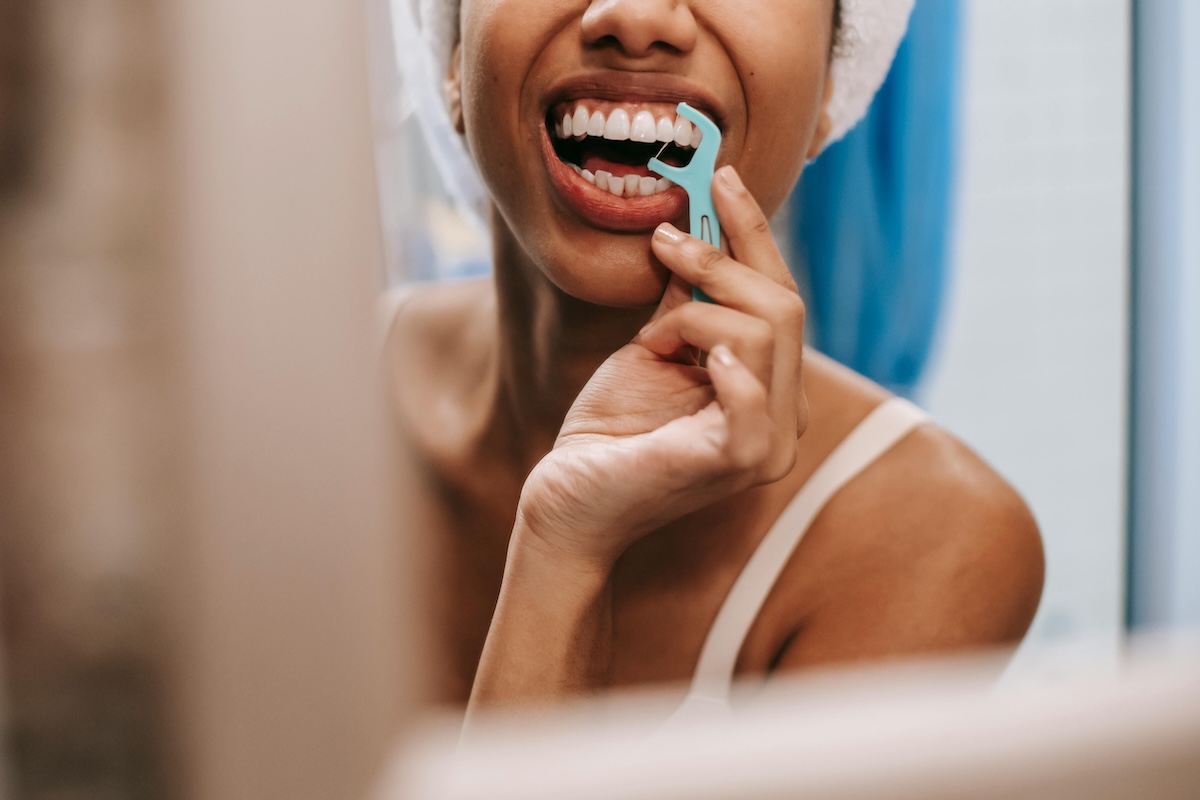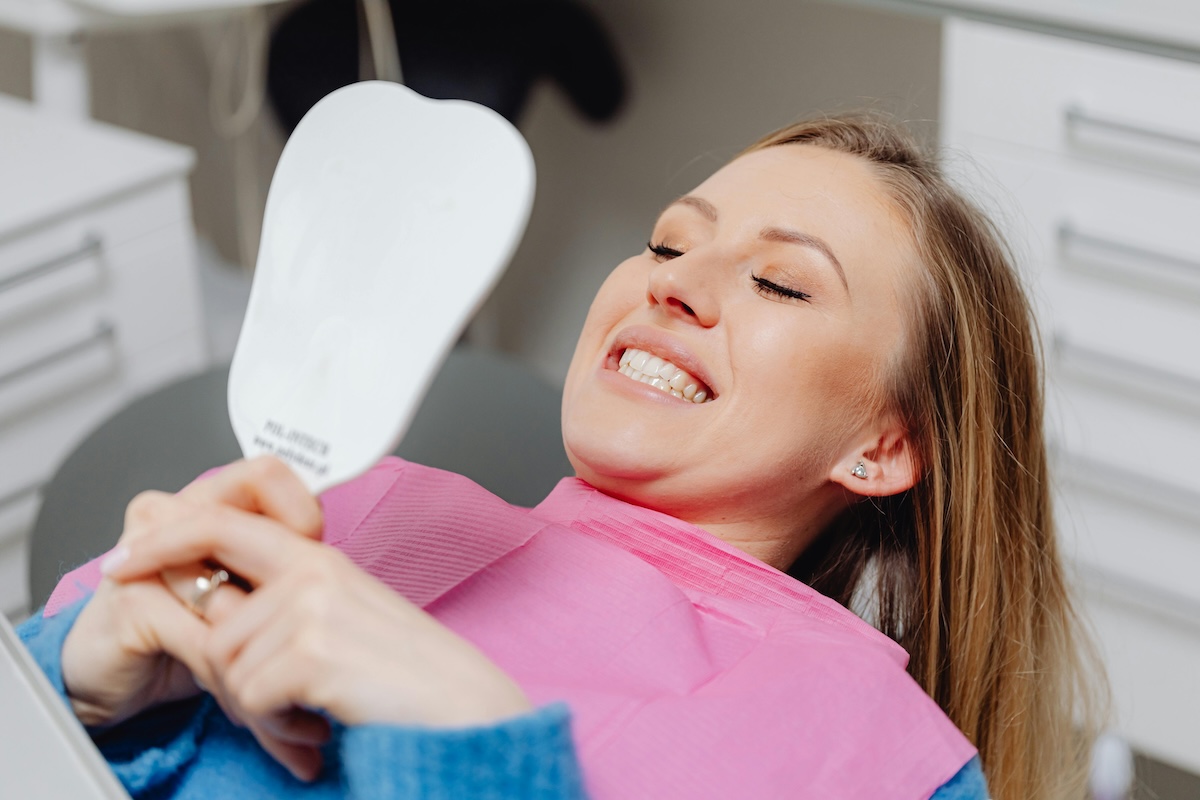

You know that feeling when you finish brushing your teeth, run your tongue across them, and everything feels suddenly smooth and almost slippery? Like your teeth went from fuzzy to polished just like that? That’s more than just a clean feeling – that’s you successfully removing plaque.
But here’s the thing: most of us have been doing that routine our whole lives without really knowing what plaque actually is, where it comes from, or what happens if it sticks around a little too long. So let’s walk through everything you need to know to keep it under control – and keep that smile looking and feeling its best.

What Is Dental Plaque?
Dental plaque is a soft, sticky film of bacteria that forms continuously on the surface of your teeth. According to the American Dental Association, your teeth are coated with this bacterial film at all times, and when those bacteria interact with sugars from the food and drinks you consume, they release acids that can begin to wear down tooth enamel.
In a nutshell: plaque is a living community of microorganisms – and it starts forming as soon as you finish brushing your teeth. That’s not a cause for alarm, it’s just how our mouths work. The good news is that with the right daily habits, you can keep plaque in check and protect your smile for the long run.
What makes plaque worth understanding is what happens when it’s left undisturbed. Over time, that soft film mineralizes and hardens into tartar(also called calculus) – and at that point, no amount of brushing at home will remove it. That’s where your Charlotte dentist comes in.
What Does Plaque Look Like on Teeth?
In its early stages, plaque on teeth is practically invisible – colorless and so thin you’d never notice it in the mirror. Gradually, it can become white to yellowish‑tinted as it builds up.
Early Signs of Plaque Buildup on Teeth
That slightly coated or fuzzy texture on your teeth, especially in the morning before brushing, is a classic sign. It tends to accumulate overnight when saliva flow slows down and bacteria have more time to settle in.
Advanced Plaque and Tartar Appearance
When plaque is left on the teeth for longer periods, it starts to take on a more visible appearance – a pale yellowish or white film, particularly along the gumline. As it continues to mineralize and harden into tartar, you may notice rough, crusty deposits near the base of your teeth, often at the back of your lower front teeth where saliva glands are most active. This shift from soft plaque to hard tartar is exactly why our team at Aspire Dental Wellness, led by Dr. Bjelac, prioritizes early, preventive care.
Where Plaque Commonly Forms
The most common spots where plaque tends to show up include:
- Along the gumline, where toothbrush can sometimes miss
- Between teeth, especially if flossing isn’t part of your daily routine
- Around dental work like crowns, veneers, and implants, where the margins create small spaces for bacteria to gather
If you have any dental restorations, your Charlotte dentist in SouthPark will pay special attention to these areas during your visits – because keeping them clean is key to their longevity.
What Causes Plaque on Teeth?
Plaque formation is a completely natural biological process. Two main factors drive it:
- Bacteria and saliva: Your mouth is naturally home to hundreds of bacterial species. These bacteria use proteins and sugars from saliva and food to attach to your teeth and begin forming plaque.
- Carbohydrates and sugars: Sugary drinks, sweets, bread, and carb-heavy food like chips or crackers give these bacteria their favorite fuel. As bacteria break these down, they produce acids that contribute to that sticky plaque film on your teeth. Over time, these acids can soften enamel and lead to decay if not regularly removed.
Daily Habits That Contribute to Plaque Buildup
The rhythm of your day plays a bigger role than most people realize. Some of the most common contributors include:
- Inconsistent brushing or flossing – even skipping one day allows bacteria to gain a foothold
- Frequent snacking throughout the day, which keeps feeding bacteria between meals
- Low water intake, since saliva is your mouth’s natural rinse cycle and helps neutralize acids
Small, consistent changes on a daily basis make a real difference when it comes to plaque buildup.
Lifestyle and Health Factors
Some factors go beyond daily habits. Smoking significantly reduces saliva flow and creates an environment where plaque-forming bacteria thrive. Dry mouth – whether from medications, health conditions, or even stress – has a similar effect, since saliva plays a critical protective role in the oral environment. Diet patterns high in processed foods and low in whole foods also create conditions that favor plaque growth over time.
At Aspire Dental Wellness, we look at these factors holistically – because your mouth doesn’t exist in isolation from the rest of your body and lifestyle.
Dental Plaque Symptoms: How Do You Know You Have It?
Since plaque is largely invisible, most of us rely on subtle signs rather than what we can see in the mirror. Here’s what’s worth paying attention to.
Signs Plaque Is Turning Into a Bigger Problem
When plaque has been building for a while without consistent removal, the signs become a little harder to ignore:
- Gums that bleed when you brush or floss – this is not something to brush off. Bleeding gums are one of the earliest indicators of gingivitis, the first stage of gum disease
- Redness or swelling around the gumline
- Tooth sensitivity, particularly to cold temperatures or sweets
And the numbers back that up: nearly 42% of adults 30+ have some form of gum disease – much of it directly linked to plaque that wasn’t consistently managed.
Long-Term Effects If Plaque Is Not Removed
Left unaddressed over a longer period, plaque buildup can contribute to cavities as the acid from bacteria erodes enamel, gum disease (gingivitis and periodontitis) which affects the tissue and bone supporting your teeth, and in more advanced cases, bone loss around the teeth. Fortunately, between good daily habits and professional care, plaque is one of those things you can absolutely stay on top of.
This is one of the most common questions we hear at Aspire Dental Wellness, and it’s a valid one.
Tartar vs Plaque: What’s the Difference?
How Plaque Turns Into Tartar
When plaque sits on the teeth undisturbed, minerals from saliva begin to bind with the bacterial film and harden it. This process – called mineralization – can begin within just 24 to 72 hours. The result is tartar (also called calculus): a rough, porous deposit that’s much harder than the soft plaque it started as.
Why Tartar Is More Serious
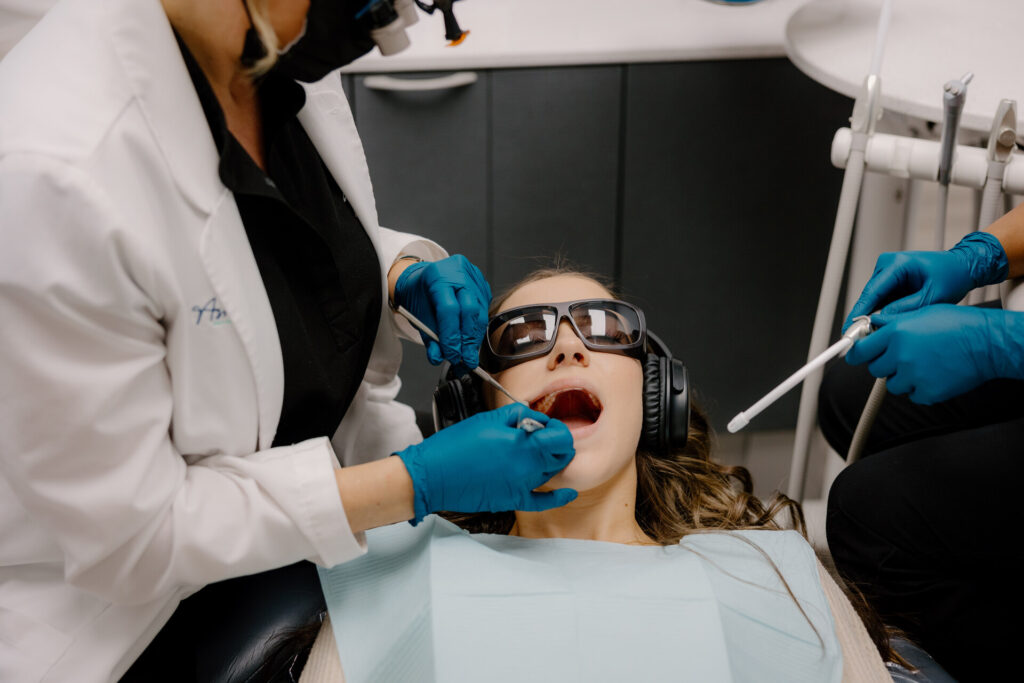
Once plaque hardens into tartar, it simply cannot be removed with a toothbrush or floss. No matter how diligently you brush, tartar requires professional instruments to be safely cleared away. This is one of the main reasons regular cleanings are important to keep your smile healthy and on track.
Which One Causes More Damage?
Think of it this way: plaque is the root cause, and tartar is the hardened result that makes the problem worse. Plaque produces the acids that irritate tissue and erode enamel. Tartar creates a rough surface that attracts even more plaque and makes it harder to clean the areas around your gumline. Together, they’re a team you’d rather not let get established – and together, consistent home care and professional cleanings keep them well managed.
How to Get Rid of Plaque and Prevent It from Coming Back
Brushing morning and evening, flossing once daily, and staying consistent is genuinely all most people need. Crunchy vegetables, dairy, and staying hydrated naturally support your oral environment between brushings. And two habits worth avoiding: frequent sugary snacking throughout the day, and skipping your regular dental visits – because that’s where anything that slips past your home routine gets caught early.
When to See a Dentist for Plaque Removal
Your at-home habits are the daily foundation – but professional care is what keeps everything on track in the long run.
Signs You Need Professional Help
Reach out to your Charlotte, NC dental team if you notice:
- Gums that bleed consistently when brushing or flossing
- Persistent bad breath that doesn’t resolve with regular brushing
- Visible brownish or yellowish deposits along the gumline that feel hard to the touch
How Aspire Dental Wellness Can Help
At Aspire Dental Wellness, led by Dr. Bjelac, we’re here to make dental care feel like what it should be: a supportive, comfortable part of taking care of yourself.
We serve the Charlotte community in SouthPark with a gentle, modern approach that combines clinical excellence with genuine attention to each patient’s whole-person health. Whether you’re coming in for a routine cleaning or you’ve noticed some changes you’d like to get checked out, you’re always welcome here. Ready to give your smile a fresh start? Schedule your consultation with us today – we’d love to see you.
FAQs About Dental Plaque
How Do You Get Rid of Plaque Fast?
The most effective way to remove plaque quickly is through thorough brushing and flossing, combined with a professional dental cleaning if buildup is already significant. While good home care helps control plaque daily, only a dentist can remove hardened deposits (tartar) safely and completely.
Can Plaque Go Away on Its Own?
Plaque doesn’t go away on its own. Because it forms continuously, it needs to be removed through daily brushing and flossing. If left untreated, it can harden into tartar, which cannot be removed at home.
Is Plaque the Same as Tartar?
No – plaque and tartar are different. Plaque is a soft, sticky film of bacteria that forms on your teeth every day. Tartar is plaque that has hardened over time and bonded to the tooth surface, requiring professional removal.
What Is the Best Plaque Removal Method?
The best approach is a combination of consistent daily care and regular dental visits. Brushing twice a day, flossing once daily, and attending professional cleanings provide the most effective and long-term plaque control.