
Most people don’t give their gums much thought until something feels off. Maybe your teeth look a little longer in the mirror, or you’ve noticed sensitivity when drinking hot coffee or cold water. These could be early signs of receding gums. Once gum tissue is lost, can it really grow back? Let’s break down what gum recession means, what causes it, and what treatment options you have at Aspire Dental Wellness in Charlotte, NC.
What Are Receding Gums?
Receding gums happen when gum tissue slowly pulls away from the teeth, exposing the root surface. This can lead to discomfort, sensitivity, and, in severe cases, tooth loss if left untreated.
What Do Receding Gums Look Like?
- Teeth appear longer than before.
- Roots look darker or more yellow than enamel.
- Small gaps forming between the gumline and tooth surface.
- Gums look thinner or inflamed.
How to Tell If Your Gums Are Receding
Early detection is important. If your gums bleed when brushing, feel sore, or your teeth suddenly look different, it’s time to schedule a dental exam. Receding gums may also cause increased tooth sensitivity, especially when eating or drinking something hot or cold.
Do Gums Recede With Age?
Yes, but age alone isn’t the main factor. Many adults keep healthy gums throughout life with proper care. Gum disease, clenching, or aggressive brushing are much bigger contributors than simply getting older.
What Causes Gums to Recede?
There isn’t one single cause. Gum recession is often the result of a combination of lifestyle habits, oral hygiene, and health conditions.
Can Flossing Cause Gum Recession?
Improper technique can irritate your gums, but flossing itself doesn’t cause gum recession. In fact, practicing proper flossing is one of the best ways to prevent gum disease that leads to gum loss.
Common Habits and Conditions That Contribute
- Brushing too hard or using a stiff toothbrush.
- Gum disease (gingivitis or periodontitis).
- Teeth grinding or clenching.
- Tobacco use.
- Hormonal changes.
- Diabetes and other chronic health conditions.
Is Gum Recession Reversible?
No, gums do not grow back once they have receded, but there are effective ways to restore protection and improve your smile. Treatments such as scaling and root planing, gum grafting, and laser dentistry can rebuild coverage and reduce sensitivity. While the tissue will not regrow on its own, these solutions stop further damage and give the gumline a healthier appearance. With early diagnosis and professional care, gum recession can be managed successfully before it leads to more serious problems.
Can Gums Go Back to Normal After Receding?
Not on their own. However, surgical treatments like gum grafting can replace lost tissue and cover exposed roots, giving the gumline a healthier and more natural appearance. These procedures protect teeth from sensitivity, reduce the risk of further bone loss, and restore balance to your smile.
How Far Can Gums Recede Before Teeth Fall Out?
When gum recession becomes severe, it can expose the tooth roots and weaken the bone that supports them. At this stage, teeth may loosen and eventually fall out if no treatment is provided. Mild or moderate gum recession usually causes cosmetic changes and sensitivity, but advanced cases put the stability of teeth at risk. Regular checkups and early treatment are the best ways to stop gum loss before it reaches the point of tooth loss.
Do Teeth Fall Out With Receding Gums?
When gum recession becomes severe, it can expose the tooth roots and weaken the bone that supports them. At this stage, teeth may loosen and eventually fall out if no treatment is provided. Mild or moderate gum recession usually causes cosmetic changes and sensitivity, but advanced cases put the stability of teeth at risk.
What Helps Receding Gums?
The most important step is maintaining good oral hygiene by brushing gently with a soft-bristled toothbrush and using fluoride toothpaste to protect the gum line. Flossing daily helps remove plaque and food particles that contribute to gum disease, a major cause of gum recession. Regular dental checkups and professional cleanings are also essential for early detection and treatment.
Clinical Treatments at Aspire Dental Wellness
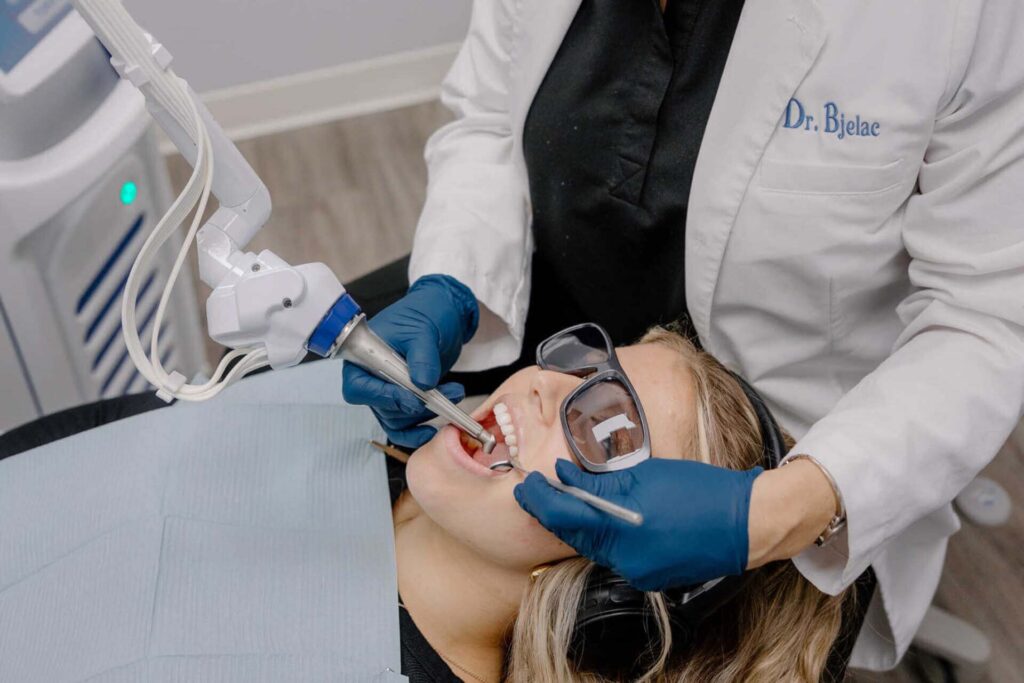
Deep cleaning, also known as scaling and root planing, removes harmful bacteria under the gums. In more advanced cases, gum grafting restores tissue, while modern laser dentistry offers a minimally invasive way to treat gum disease and prevent further recession.
Natural Options: Can You Regrow Gums Naturally?
While gums can’t regrow on their own, you can slow or stop progression with better oral care and nutrition. Minerals that support gum and bone strength play an important role – our article on the mineral that restores teeth and gums explains how diet contributes to healthier gum tissue.
What to Do at Home
- Switch to a soft-bristled toothbrush.
- Use desensitizing toothpaste.
- Practice gentle brushing and flossing.
- Schedule regular dental cleanings and exams to catch issues early.
How to Prevent Gum Recession From Getting Worse
To prevent gum recession from getting worse, it’s essential to maintain consistent and gentle oral care habits. Regular dental checkups and professional cleanings allow your dentist to monitor changes early and recommend treatments like scaling, root planing, or gum therapy if needed. A healthy diet rich in vitamins C and D can also help strengthen gum tissue and support long-term oral health.
Oral Hygiene That Protects Your Gums
Good oral hygiene is one of the most effective ways to prevent gum recession from getting worse. Brushing at a 45-degree angle with a soft-bristled toothbrush helps remove plaque without irritating gum tissue. Daily flossing cleans between teeth where a toothbrush cannot reach, reducing the risk of gum disease. Using fluoride toothpaste strengthens enamel and supports overall gum health. Together, these simple habits create a strong defense against further gum loss.
Lifestyle Changes for Gum Health
Maintaining good lifestyle habits is just as important as daily brushing and flossing when it comes to protecting your gums.
- Healthy habits play a major role in slowing down gum recession and protecting the tissues that support your teeth.
- Quit smoking to improve blood flow to the gums and reduce the risk of gum disease.
- Manage stress to minimize teeth clenching and grinding, which can strain the gums and jawbone.
- Eat a balanced diet rich in vitamins C and D, calcium, and omega-3 fatty acids to strengthen both teeth and gums.
Together, these habits help build a stronger, healthier foundation for long-term oral health.
Why Routine Dental Checkups Matter
Professional exams catch gum problems before they worsen, but the key is staying consistent with those visits. Our Membership Plans make that easier by including routine cleanings and exams while helping patients save up to $400 a year on their care.
When to See a Dentist in Charlotte, NC
Sometimes, home care alone is not enough to manage a gum recession. If you notice swollen or bleeding gums, sensitivity that will not go away, or teeth that feel loose, it is time to schedule an exam with a dentist.
Signs Your Gum Recession Needs Professional Care
- Persistent gum sensitivity.
- Gums pulling away from teeth.
- Loose teeth or shifting bite.
- Frequent bleeding while brushing.
Can Gum Disease Cause Headaches?
Yes. Inflammation in the gums can contribute to TMJ problems and chronic headaches, which is why many patients find relief through our combined TMJ and migraine therapy along with periodontal care. If gum recession has you worried, scheduling a consultation at Aspire Dental Wellness in Charlotte could make all the difference in protecting your smile.
Keeping your gums healthy isn’t just about fixing problems once they appear – it’s about staying ahead of them. Regular checkups give us the chance to spot issues early, and with tools like Perio Protect® trays, we can help you control gum disease before it leads to further recession.
For patients who need treatment, our minimally invasive laser dentistry options make it possible to restore comfort without the stress of traditional surgery. Combine that with consistent visits with our Perio Membership Plan, and you have a straightforward, cost-effective way to protect your smile for the long run.
FAQs About Gum Recession
No. Once gum tissue has receded, it does not grow back naturally. However, treatments like gum grafting and laser-assisted therapy can restore coverage and protect your teeth.
Consistent oral hygiene, including gentle brushing and flossing, is essential. Regular checkups allow your dentist to spot early signs of gum disease. Lifestyle adjustments – such as quitting smoking, managing stress, and eating a nutrient-rich diet – also protect your gumline.
Yes, but usually in advanced cases. Gum recession that progresses to periodontal disease can weaken the bone and support structures holding teeth in place. With early treatment, teeth can be preserved.
Not typically at first. Many patients notice sensitivity to hot, cold, or sweet foods before they feel any real pain. Over time, exposed roots may become more sensitive and prone to discomfort without treatment.
Indirectly, yes. Stress often leads to teeth grinding or jaw clenching, both of which place extra pressure on the gums and supporting bone. Managing stress and wearing a nightguard can help reduce this risk.