
Sleep apnea isn’t just about snoring loudly or feeling tired in the morning. It’s a condition where your breathing pauses during sleep, sometimes hundreds of times a night, and it can take a real toll on your overall health. Naturally, many people wonder: is this condition inherited? Does having a parent or sibling with sleep apnea mean you’re more likely to have it too?
Genetics certainly play a role, but they’re not the whole story. Family history can increase your risk, but lifestyle choices and modern environmental factors matter just as much. Understanding the hereditary side of sleep apnea is the first step toward prevention and choosing the right treatment.
What Is Sleep Apnea?
What exactly is sleep apnea? Sleep apnea is a condition where your breathing stops briefly while you’re asleep. These pauses can last for a few seconds or longer, often keeping you from getting deep, restorative rest. Over time, the repeated drops in oxygen can put extra strain on your heart, brain, and immune system, which is why untreated sleep apnea can lead to more serious health issues beyond just feeling tired.

It’s important to seek professional help if you suspect you have sleep apnea. At Aspire Dental Wellness in Charlotte, NC, led by Dr. Bjelac, we use laser technology and other minimally invasive treatments to help manage sleep apnea, support easier breathing, and improve overall sleep quality in a safe and comfortable way.nea, reduce airway obstructions, and improve overall sleep quality safely and comfortably.
Understanding the Different Types of Sleep Apnea
- Obstructive Sleep Apnea (OSA): The most common type, caused by throat muscles relaxing too much or an airway that is too narrow. It often leads to loud snoring, gasping, or choking during sleep.
- Central Sleep Apnea (CSA): Less common, caused by the brain not sending consistent breathing signals to the muscles. Because it’s neurological, it is often connected to other health conditions.
- Mixed Sleep Apnea: A combination of OSA and CSA, which can be more complex to diagnose and treat.
How Sleep Apnea Affects Breathing During Sleep
When the airway collapses or breathing signals fail, the body jolts itself awake to restart breathing. You may not notice these awakenings, but they happen repeatedly and prevent you from entering the deeper, restorative sleep stages. This cycle leaves you feeling exhausted during the day and puts additional stress on the cardiovascular system.
Common Symptoms and Health Risks
Common signs of sleep apnea include:
- Chronic snoring
- Frequent gasping or choking during sleep
- Morning headaches
- Excessive daytime sleepiness or fatigue
Many people dismiss these symptoms as minor inconveniences, but they’re actually signs that oxygen levels drop repeatedly during sleep.
If left untreated, sleep apnea can increase the risk of:
- High blood pressure
- Stroke
- Diabetes
- Cognitive decline and memory issues
Is Sleep Apnea Genetic or Hereditary?
Sleep apnea can have both genetic and hereditary factors, meaning your DNA and family history may influence your risk. Certain physical traits like jaw shape or airway size can be inherited, increasing the likelihood of developing the condition. However, lifestyle choices such as weight, alcohol use, and sleep habits also play a major role.
Defining “Genetic” vs. “Hereditary”
“Genetic” refers to traits tied directly to DNA, such as the size of your jaw or airway. “Hereditary” means those traits are passed down through family lines, increasing the chance that multiple relatives may have the same condition. Sleep apnea can be influenced by both, which explains why family history is such a strong indicator of risk.
Role of Family History in Sleep Apnea Risk
If parents, siblings, or grandparents have sleep apnea, your chances of developing it are higher. This doesn’t mean you’re destined to live with the condition, but it does make it more important to be aware of symptoms and consider an evaluation sooner rather than later. Knowing that it runs in your family helps you stay proactive about your health.
Genetic Predisposition vs. Lifestyle Factors
A genetic predisposition may set the stage, but lifestyle is often what determines whether sleep apnea develops or not. For instance, someone with a naturally small airway may never experience sleep apnea if they maintain a healthy weight and good sleep habits. On the other hand, someone without strong genetic risks can still develop severe apnea if lifestyle factors like obesity or heavy alcohol use are present.
Is Central Sleep Apnea Hereditary?
Central sleep apnea (CSA) is less commonly hereditary than obstructive sleep apnea, but genetics can still play a role in certain cases. This condition occurs when the brain fails to send proper signals to the muscles that control breathing, often due to neurological or heart-related issues. While family history may slightly increase risk, central sleep apnea is usually influenced more by underlying medical conditions or medication use than by inherited traits.
Causes of Central Sleep Apnea
Central sleep apnea occurs when the brain doesn’t send the correct signals to the breathing muscles during sleep. This is different from obstructive sleep apnea because the airway remains open – the problem lies in the communication between the brain and the body. CSA may be triggered by neurological disorders, heart conditions, or even certain medications that interfere with the nervous system.
Neurological and Genetic Influences
Some people may have a genetic predisposition that affects how their brain regulates breathing rhythms at night. These differences don’t always lead to central sleep apnea, but they can make certain individuals more vulnerable when combined with other health issues. Research continues to look at how genetics and neurology intersect in CSA.
When Central Sleep Apnea Runs in Families
Although central sleep apnea is not usually thought of as strongly hereditary, there are cases where it appears more often in families. This is especially true when there are shared underlying health conditions like neurological disorders or heart disease. If both parents have CSA, it’s worth monitoring children more closely for early signs.
Is Obstructive Sleep Apnea Hereditary?
Yes, obstructive sleep apnea (OSA) often runs in families because airway structure and muscle tone can be passed down genetically. Traits like a narrow throat, large tongue, or recessed jaw increase the risk of airway blockage during sleep. Recognizing these inherited features helps individuals take proactive steps toward prevention and treatment.
How Anatomy and Genetics Play a Role
Obstructive sleep apnea is far more likely to have hereditary links. The physical features of your airway, jaw, and throat are largely determined by genetics, and these factors heavily influence whether the airway is prone to collapsing during sleep. Because of this, OSA is often seen in multiple generations of the same family.
Inherited Risk Factors: Jaw Shape, Tongue Size, and Airway Structure
Traits like a recessed jaw, a larger-than-average tongue, or naturally narrow airways can all be inherited. These features on their own don’t guarantee OSA, but when combined with weight gain, alcohol use, or poor sleep habits, the risk increases significantly. Understanding these inherited factors makes it easier to know when to seek treatment.
Family Patterns and Obstructive Sleep Apnea
It’s not uncommon for OSA to affect both parents and children within a family. If one or both parents had OSA, the chances of developing it yourself are higher. This is why discussing family history with a provider during a sleep apnea treatment evaluation is an important part of care.
Can You Be Born with Sleep Apnea?
In rare cases, babies can be born with sleep apnea due to congenital or genetic conditions that affect breathing. This may occur in infants with certain syndromes, neurological issues, or airway abnormalities. Early detection and medical care are key to ensuring healthy development and restful sleep.
Congenital Sleep Apnea in Infants
Some infants are born with breathing irregularities that appear within the first weeks of life. For many, the issue improves as the respiratory system matures, but in some cases, congenital sleep apnea persists and requires medical management. It’s a condition that parents and doctors need to watch closely.

Genetic Syndromes Linked to Sleep Breathing Issues
Certain genetic syndromes, such as Down syndrome or craniofacial abnormalities, increase the likelihood of sleep apnea in children. These conditions may result in differences in airway structure or reduced muscle tone, both of which contribute to breathing difficulties at night.
Early Signs Parents Should Watch For
Parents may notice their child experiencing irregular breathing, frequent pauses, or difficulty feeding. These symptoms shouldn’t be ignored, as they may indicate an underlying issue that needs professional evaluation. Early detection is key to supporting healthy growth and sleep.
Why Is Sleep Apnea So Common Now?
Modern Lifestyle and Environmental Factors
In today’s fast-paced world, lifestyle plays a huge role in sleep health. Longer workdays, heavy screen time, and irregular sleep schedules make it harder to get restorative rest. These factors create the perfect environment for sleep apnea to become more common than it once was.
Obesity and Sleep Apnea Risk
The rise in obesity is one of the strongest reasons for the increase in sleep apnea cases. Extra weight around the neck and chest makes the airway more likely to collapse during sleep, which explains why obstructive sleep apnea has become such a widespread issue. Addressing weight can dramatically reduce the severity of symptoms.
Better Diagnosis and Awareness Today
Sleep apnea appears more common today partly because:
- Improved sleep study technology allows for more accurate diagnoses.
- Increased awareness helps more people recognize symptoms and seek help.
The good news: Earlier diagnosis and treatment lead to better long-term health outcomes and improved quality of sleep.
How to Know If You’re at Risk for Genetic Sleep Apnea
If multiple family members snore, use CPAP machines, or have been diagnosed with sleep apnea, genetics may be part of the cause. Other risk indicators include certain facial structures, obesity, and chronic fatigue despite full nights of rest. A professional sleep evaluation can determine whether genetics play a role in your symptoms.
Signs That Family History May Play a Role
If loud snoring, CPAP use, or diagnosed sleep apnea appear in your family tree, that’s a signal to take your own risk seriously. Even if you don’t have symptoms yet, a family history of sleep apnea means it’s wise to stay alert for warning signs.

When to Get Tested for Sleep Apnea
If you’re dealing with fatigue, restless nights, or constant headaches, it may be time to consider testing. A professional sleep study can provide clear answers and help determine whether treatment is needed.
Importance of Early Detection
The earlier sleep apnea is identified, the easier it is to treat. Early detection allows for less invasive treatments, prevents long-term complications, and helps restore healthy, restorative sleep sooner.
Diagnosis and Treatment Options
Depending on the diagnosis, treatment options may include CPAP therapy, oral appliances, laser therapy, or lifestyle adjustments. Personalized care helps ensure you receive the most effective and comfortable solution for your needs.
Sleep Studies and Genetic Testing
Sleep studies are the most reliable way to diagnose sleep apnea. These overnight tests measure your breathing, oxygen levels, and sleep stages to provide a clear picture of what’s happening at night. Genetic testing isn’t a standard part of diagnosis, but it may offer helpful insights in rare, complex cases.
CPAP Therapy and Alternatives
CPAP therapy delivers continuous air pressure through a mask, keeping the airway open. While highly effective, not everyone finds CPAP comfortable or convenient.
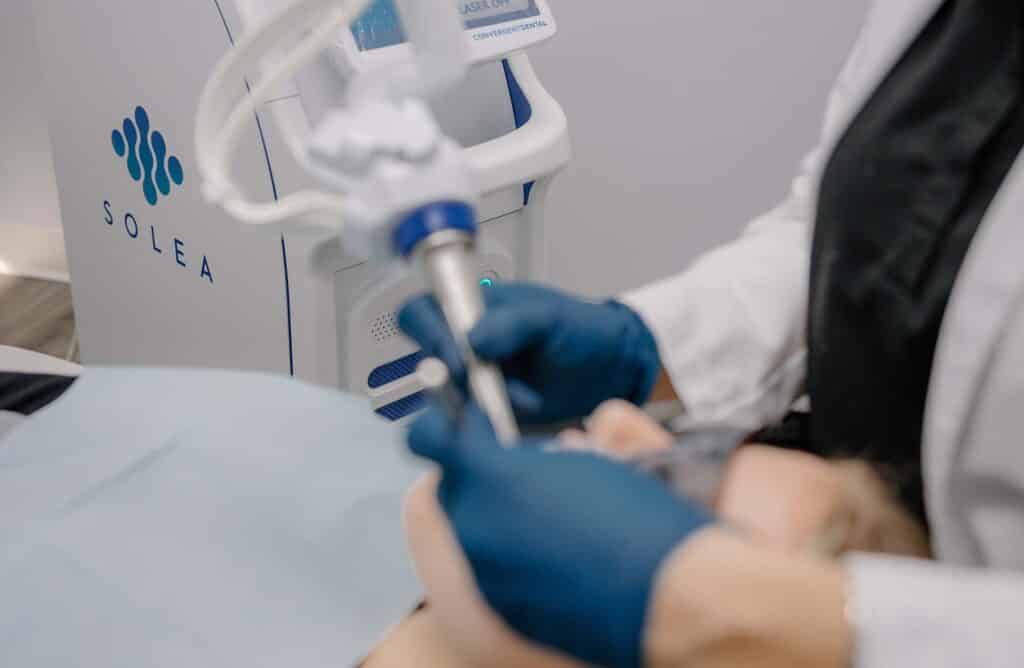
At Aspire Dental Wellness, we focus on treatments that fit patients’ lifestyles. One of the most exciting approaches is laser therapy for sleep apnea. This treatment uses a specialized dental laser to gently tighten oral tissues and reduce airway collapse. Unlike CPAP, it doesn’t require nightly equipment. It’s also non-surgical, painless, and performed right in the dental chair. Patients often report that laser therapy not only reduces snoring but also helps them breathe more freely at night.
Minimally Invasive Treatments (Including Laser Therapy)
For many, combining laser therapy with other approaches like oral appliance therapy provides a comfortable, effective way to manage sleep apnea without relying solely on machines or invasive procedures.
For patients with sleep apnea, minimally invasive treatments – including laser therapy provide targeted solutions with less discomfort and faster recovery. These treatments can help reduce airway obstructions, improve breathing during sleep, and support overall health without the need for extensive surgery. By prioritizing precision and patient comfort, minimally invasive options have become an essential part of comprehensive sleep apnea care.
At Aspire Dental Wellness in Charlotte, NC, we offer comfortable laser treatments. Our team uses only the most modern, cutting-edge technology – lasers such as Fotona’s NightLaseⓇ and Solea Sleep. These have proven to be invaluable in treating sleep apnea and continue to bring relief to countless patients.
Lifestyle Changes That Reduce Risk
Simple lifestyle changes also make a big impact. Losing weight, cutting back on alcohol before bedtime, and learning to sleep on your side can significantly improve symptoms. When combined with professional care, these changes support long-term success.
Final Thoughts: Genetics and Personalized Sleep Apnea Care
While genetics can increase your risk of sleep apnea, your daily habits and treatment choices can make a major difference. Understanding your hereditary factors empowers you to take proactive steps for better sleep and long-term health. With today’s advanced options, sleep apnea can be managed effectively and comfortably.
Why Understanding Your Risk Matters
Genetics can raise your risk of sleep apnea, but they don’t have to decide your future. Knowing whether it runs in your family helps you make informed choices, take preventive steps, and get help before serious complications develop.
Next Steps for Those Concerned About Family History
If sleep apnea is common in your family, or if you’ve noticed symptoms yourself, scheduling a professional evaluation is the best next step. With today’s treatment options, you don’t have to let sleep apnea control your life.
Schedule a Consultation for Sleep Apnea Care
If you’re wondering whether laser therapy for sleep apnea could be the right solution for you, Aspire Dental Wellness offers consultations to help determine if this treatment is a good fit. During your visit, you’ll learn how the therapy works, what to expect, and whether it aligns with your needs. It’s a personalized way to explore options for better breathing and more restful sleep.
FAQs About Sleep Apnea
No, not always. While hereditary traits like jaw size, throat structure, or muscle tone can increase your chances, sleep apnea often develops because of lifestyle and health conditions. Obesity, smoking, alcohol use, and even stress all play major roles in whether the condition appears.
Yes. Even if you inherit features that increase risk, lifestyle changes can make a dramatic difference. Weight loss, exercise, proper sleep routines, and professional care can reduce symptoms, sometimes to the point that long-term equipment isn’t necessary.
There are two main types of sleep apnea causes. Genetic causes come from inherited physical traits that make you more prone to sleep apnea, such as a narrow airway or recessed jaw. Environmental causes are external factors – things like obesity, diet, alcohol, and daily habits. Most people have a mix of both, which is why treatment needs to be customized.
Yes, it can. Someone may carry the predisposition but never develop sleep apnea if lifestyle factors don’t activate the risk. That means a parent might have OSA, the child may not, but the grandchild could develop it if other risks come into play.
Laser therapy is a minimally invasive treatment that uses gentle dental laser energy to tighten and strengthen oral tissues. By reducing tissue collapse in the airway, it can improve airflow and lessen snoring and apnea episodes. It’s performed in-office, takes only a short amount of time, and doesn’t require surgery or recovery.
CPAP works by forcing air through the airway with a mask, while laser therapy addresses the tissue itself by making it firmer and less likely to collapse. Many patients prefer laser therapy because it doesn’t involve nightly equipment, is painless, and has long-lasting results with maintenance sessions.