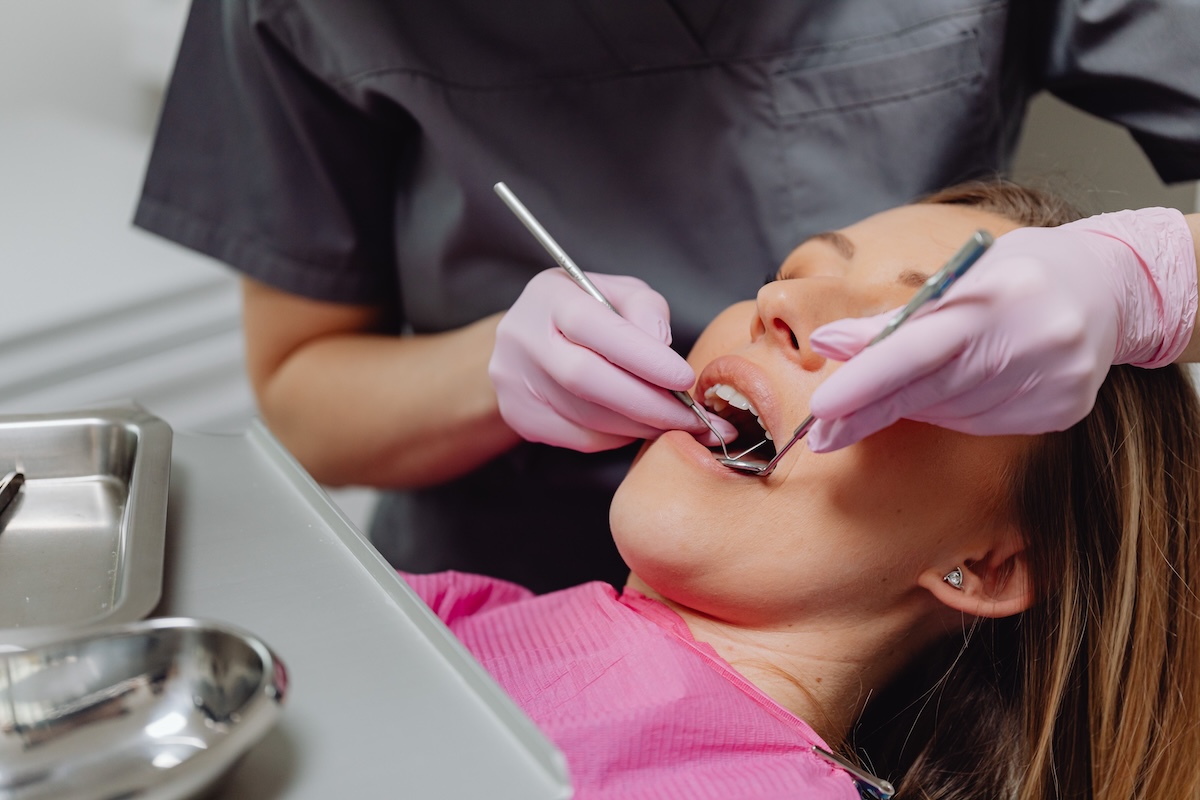

Whitening toothpastes have surged in popularity over the years, promising a brighter smile with minimal effort. But many people now ask the same question: can whitening toothpaste damage your enamel or increase your tooth sensitivity? As their use has grown, so have concerns among consumers and online communities.We’ll break down the science behind whitening toothpastes and debunk the most common myths – so you can make informed choices about your oral health.
How Does Whitening Toothpaste Work?
Whitening toothpaste doesn’t change the natural color of your teeth. Instead, it works by removing surface stains caused by things like coffee, tea, red wine, and tobacco.
Abrasives vs. Chemical Whitening Agents
Most whitening toothpastes rely on one (or both) of these approaches: through mild abrasives or chemical agents. Abrasive ingredients, such as hydrated silica or calcium carbonate, help remove surface stains by gently polishing the teeth, while chemical whitening agents like hydrogen peroxide or carbamide peroxide help break down stubborn stains. When used properly, both methods can be safe. Problems usually arise when a toothpaste is too abrasive, used too often, or paired with aggressive brushing.
How Whitening Toothpaste Differs from Professional Whitening
Whitening toothpaste and professional whitening treatments work in fundamentally different ways and produce different results. Here’s what you should know when comparing the two:
- Strength: Whitening toothpaste uses mild ingredients, while professional whitening relies on stronger whitening agents.
- Supervision: Toothpaste is applied at home without professional supervision. Professional treatments occur in the dental office or with dentist-provided trays for safe monitoring, including professional teeth whitening and in-office whitening treatments.
- Time to Results: Toothpaste delivers gradual improvements over weeks or months. Professional methods produce noticeable changes in one to three sessions.
- Depth of Whitening: Whitening toothpaste targets surface stains, while professional whitening can address deeper, stubborn discoloration.
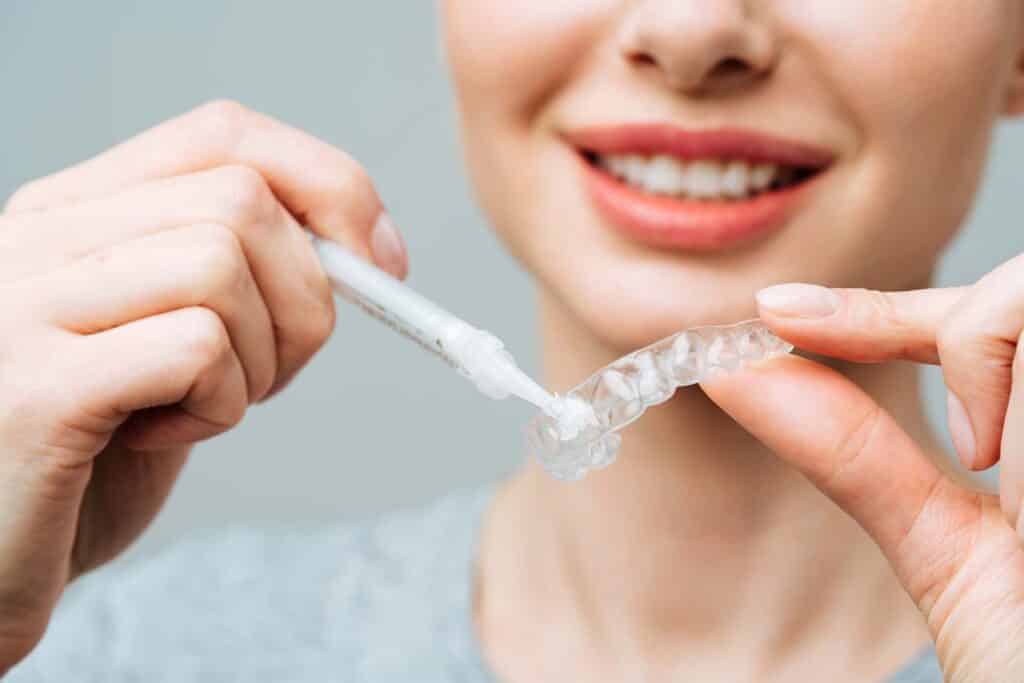
Do Whitening Toothpastes Actually Change Tooth Color?
Not really – at least not dramatically. Whitening toothpastes can make your teeth look brighter by removing stains, but they don’t significantly change the natural shade of enamel. If your discoloration comes from aging, genetics, or medications, professional treatment is usually needed. In cases of deep discoloration, advanced systems like KoR Whitening are often recommended. KoR is specifically designed to address severe intrinsic stains that standard whitening toothpastes and even basic professional treatments cannot effectively improve.
Therefore, it is crucial to have realistic expectations. Whitening toothpaste is most effective for managing existing stains, but if you desire more significant shade changes, consulting a dentist is the best approach.
Does Whitening Toothpaste Damage Enamel?
When used as directed, most whitening toothpastes are designed to be safe for enamel. However, if you frequently use highly abrasive formulas or brush too hard, gradual enamel wear may occur over time. Choosing a gentle toothpaste and using proper brushing technique can help protect enamel while still helping you maintain a brighter smile.
What Research Says About Enamel Safety
Research shows whitening toothpastes are mostly safe for your enamel when you pick the right ones and use them correctly. Studies measuring abrasiveness levels (called RDA scores), find that toothpastes under 100 RDA cause very little wear – even with regular use, especially when you choose products with the ADA Seal of Acceptance and keep up with regular dental check-ups.
The Role of Abrasivity (RDA Scores Explained)
Abrasivity, measured by RDA (Relative Dentin Abrasivity) scores, shows how much a toothpaste may wear down your enamel. Scores below 70 are very low risk, ideal for sensitive teeth; 70-100 suits most adults; 100-150 works for whitening but needs moderation; and over 250 does not carry ADA’s seal of acceptance.
| Toothpaste Type | RDA Score Range | Safety Notes |
| Regular | 0-70 | Lowest risk, ideal daily |
| Whitening | 70-150 | Safe if <100 |
| High-Abrasive | 150+ | Risky for enamel with overuse |
When Whitening Toothpaste Becomes a Risk
Whitening toothpaste becomes risky when you overuse it, choose overly abrasive formulas, or combine it with aggressive brushing and hard-bristled toothbrushes. If your teeth are already exposed to acids from sodas, citrus fruits, or sports drinks, they’re more vulnerable – and continuous whitening without breaks may increase sensitivity over time.
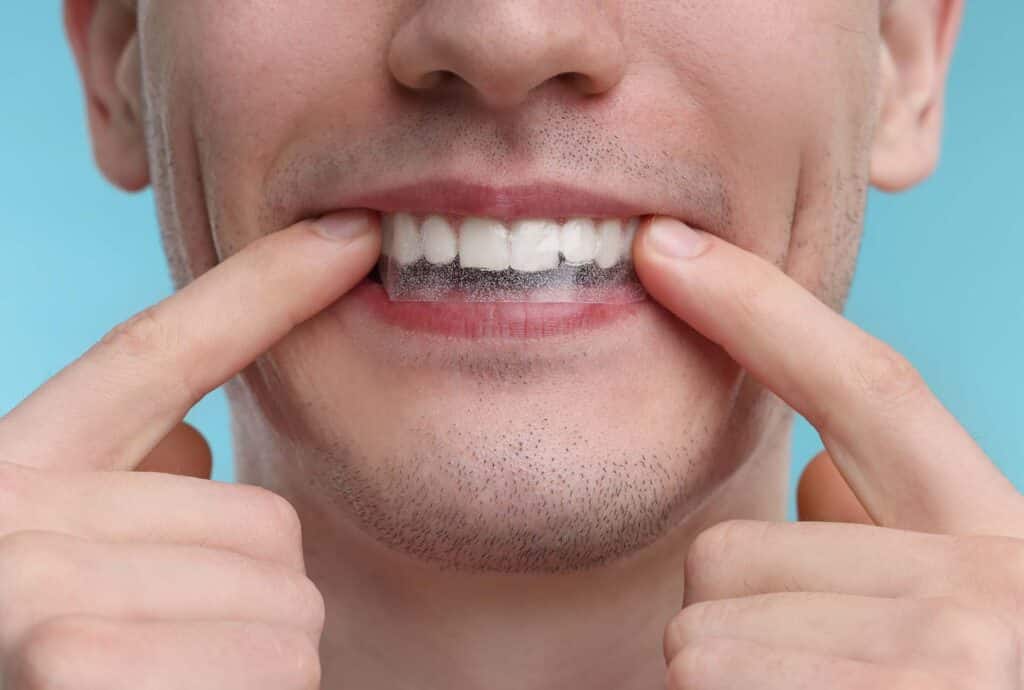
Is Whitening Toothpaste Bad for Your Teeth?
Whitening toothpaste isn’t inherently bad for your teeth, but how you use it matters. When used occasionally and as directed, it can safely help remove surface stains. Problems tend to arise with daily use, highly abrasive formulas, or aggressive brushing, which may increase the risk of enamel wear or sensitivity over time.
Who Should Avoid Whitening Toothpaste?
You may want to avoid whitening toothpaste if you already have:
- Enamel wear
- Gum recession
- Tooth sensitivity
- Tender or inflamed gum
In these cases, a gentler toothpaste or advice from your dentist is usually safer for you.
Effects on Fillings, Crowns, and Veneers
Whitening toothpastes don’t damage fillings, crowns, or veneers, and their structure remains intact with normal use. However, these materials don’t respond to whitening the way natural enamel does. As your natural teeth appear brighter, existing dental work may start to look darker by comparison. This is something you may notice over time, which is why talking to your dentist can help you plan next steps.
How Gum Health Influences Whitening Safety
Healthy gums help protect your teeth when using whitening toothpaste. If your gums are inflamed or receding, whitening ingredients may cause irritation or sensitivity more easily. When gums pull back, tooth roots can become exposed and more vulnerable to abrasives and whitening agents. Brushing too hard along the gumline can increase this risk.
You may be at higher risk if you:
- Have gum recession or sensitive gums
- Have active gum disease or gingivitis
- Brush too hard near the gumline
- Have exposed tooth roots
If you have gum concerns, it’s best to address them before using whitening toothpaste. Choose a soft-bristled toothbrush, use gentle pressure, and opt for a low-abrasive formula.
Is It Safe to Use Whitening Toothpaste Every Day?
Short answer: no. Most whitening toothpastes aren’t designed for daily use and can increase enamel wear or sensitivity if you overdo it.
Daily Use vs. Occasional Use
- Regular toothpaste: Safe and ideal for brushing twice a day. It helps strengthen enamel with fluoride and carries a low risk of abrasion.
- Whitening toothpaste: Best used 2–3 times per week.

What Dentists Recommend for Long-Term Use
Dentists typically recommend that you alternate whitening toothpaste with a regular fluoride toothpaste, choose low-abrasive formulas, and look for the ADA Seal of Acceptance.
How to Alternate Whitening and Non-Whitening Toothpaste
Alternating whitening and non-whitening toothpaste helps you balance stain removal with daily enamel protection, reducing the risk of sensitivity or wear.
Does Whitening Toothpaste Make Teeth Sensitive?
Whitening toothpaste can cause sensitivity for some people, especially if you already have sensitive teeth or use it too often. The good news is that sensitivity is usually mild and manageable when whitening products are used correctly.
Why Sensitivity Happens During Whitening
Whitening toothpastes often rely on abrasives or whitening agents to remove stains. These ingredients can temporarily irritate the enamel or expose tiny pathways to the nerves inside your tooth, especially if enamel is already worn or gums have receded.
Temporary vs. Long-Term Sensitivity
In most cases, sensitivity from whitening toothpaste is temporary and goes away once you reduce or stop whitening use. Long-term sensitivity is more likely if whitening toothpaste is overused or combined with aggressive brushing habits.
How to Reduce Sensitivity While Whitening
Limit whitening toothpaste to a few times per week and alternate it with a regular fluoride toothpaste. Use a soft-bristled toothbrush and gentle pressure. Avoid acidic foods and drinks immediately after brushing. If sensitivity persists, stop use and consult your dentist.
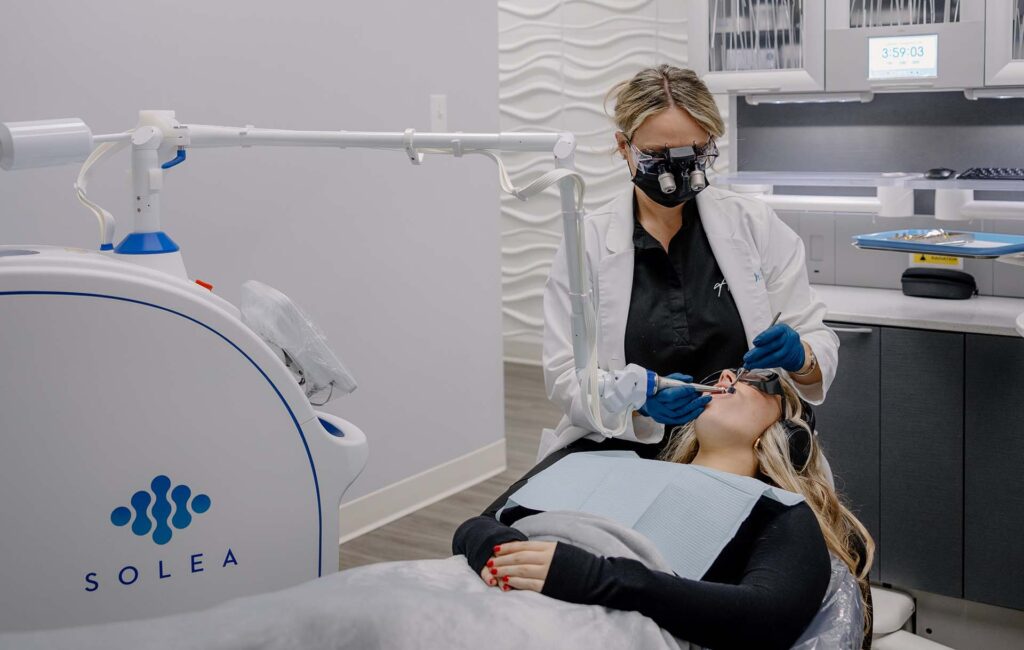
Safer Alternatives to Whitening Toothpaste
If whitening toothpaste causes sensitivity or doesn’t give you the results you want, there are safer and more effective alternatives that protect enamel while still improving tooth color.
Professional Teeth Whitening Options
Professional whitening treatments are designed to lighten your natural tooth color under dental supervision, delivering stronger results with less risk. They use controlled-strength whitening agents and protective measures to minimize sensitivity while delivering more noticeable results than over-the-counter products.
In-Office vs. At-Home Dentist-Supervised Whitening
- In-office whitening provides the fastest and most dramatic results, with treatments completed in a single visit, though stubborn stains may need 2-3 sessions for optimal whitening
- At-home supervised whitening: Gradual whitening with better sensitivity control
In-office whitening is ideal for stubborn stains and busy schedules, while dentist-supervised at-home whitening works well for milder cases. There are also hybrid options, offering the efficiency of in-office treatment with the flexibility of at-home care. When guided by a dentist, both options are safer and more effective than whitening toothpaste.
Lifestyle Habits That Help Maintain White Teeth Naturally
- Brush regularly with a gentle fluoride toothpaste
- Limit stain-causing foods and drinks like coffee, tea, and red wine
- Sip coffee quickly rather than slowly to reduce stain and acid exposure. Rinse with water afterward and wait 30 minutes before brushing to protect enamel and maintain whitening results.
- Avoid tobacco products
- Schedule regular dental cleanings to remove surface stains
When to Talk to a Dentist About Whitening
If you’re experiencing discomfort or not seeing the results you expect from whitening toothpaste, it may be time to talk with your dentist. Professional guidance helps ensure whitening is both safe and effective for your teeth.
Warning Signs Your Enamel May Be Compromised
Watch for:
- Ongoing tooth sensitivity
- Teeth that feel rough or appear more yellow or translucent
- Increased sensitivity to hot, cold, or sweet foods
- Gum irritation or discomfort after brushing
These signs may indicate enamel wear or irritation that whitening products could worsen.
Personalized Whitening Plans for Sensitive Teeth
At Aspire Dental Wellness, your whitening plan is tailored specifically to you – your enamel health, sensitivity level, lifestyle, and goals. If you’d like to explore the right whitening option for your smile, consider scheduling a consultation. A personalized approach ensures results that not only brighten your smile but also protect your teeth long term.
FAQs About Whitening Toothpaste
No – when you use it correctly, it does not cause permanent damage. Issues typically occur only with overuse, highly abrasive formulas, or aggressive brushing habits.
It can be if you use it too often or choose overly abrasive formulas. Long-term daily use of abrasive whitening formulas may increase enamel wear or tooth sensitivity over time
In most cases, no. Occasional use is safer for your enamel. Dentists usually recommend using whitening toothpaste a few times per week and alternating it with a regular fluoride toothpaste to protect enamel.
No – many people use it without discomfort. Sensitivity is more likely in people with thin enamel, gum recession, or pre-existing tooth sensitivity.
The safest option is dentist-guided whitening combined with good oral hygiene and low-abrasive products. Professional supervision helps ensure effective results while minimizing the risk to enamel.