Tartar on teeth is one of those dental terms most people have heard, but few really understand. You might notice a rough buildup along your gumline or behind your lower front teeth and wonder what it is, why it shows up, and whether you can deal with it at home.
Below, we break it all down in a clear, practical way. You will learn what tartar is, what it looks like, how it forms, how it is removed, and most importantly, how to prevent it from coming back.
What Is Tartar on Teeth?
Tartar, also known as dental calculus, is hardened plaque that sticks firmly to the surface of your teeth. Plaque is a soft, sticky film of bacteria that forms on your teeth every day. When plaque is not removed thoroughly through brushing and flossing, it can harden into tartar.
Once plaque becomes tartar, it cannot be removed with a toothbrush or floss alone. This is why professional dental cleanings play such an important role in long-term oral health.
Is Tartar the Same as Plaque?
Plaque and tartar are related, but they are not the same thing. Plaque is soft and colorless and forms constantly. Tartar is plaque that has absorbed minerals from saliva and hardened over time.
How Does Tartar Form on Teeth?
Tartar forms when plaque is left on the teeth for too long. Saliva contains minerals like calcium and phosphate. These minerals bind to plaque and cause it to harden, sometimes in as little as 24 to 72 hours.
Certain areas are more prone to tartar buildup, especially along the gumline and behind the lower front teeth, where saliva glands are most active.
What Does Tartar Look Like?
One of the most common questions patients ask is what tartar actually looks like. Unlike plaque, which can be hard to see, tartar is usually visible and noticeable.
Tartar vs Plaque – Visual Differences
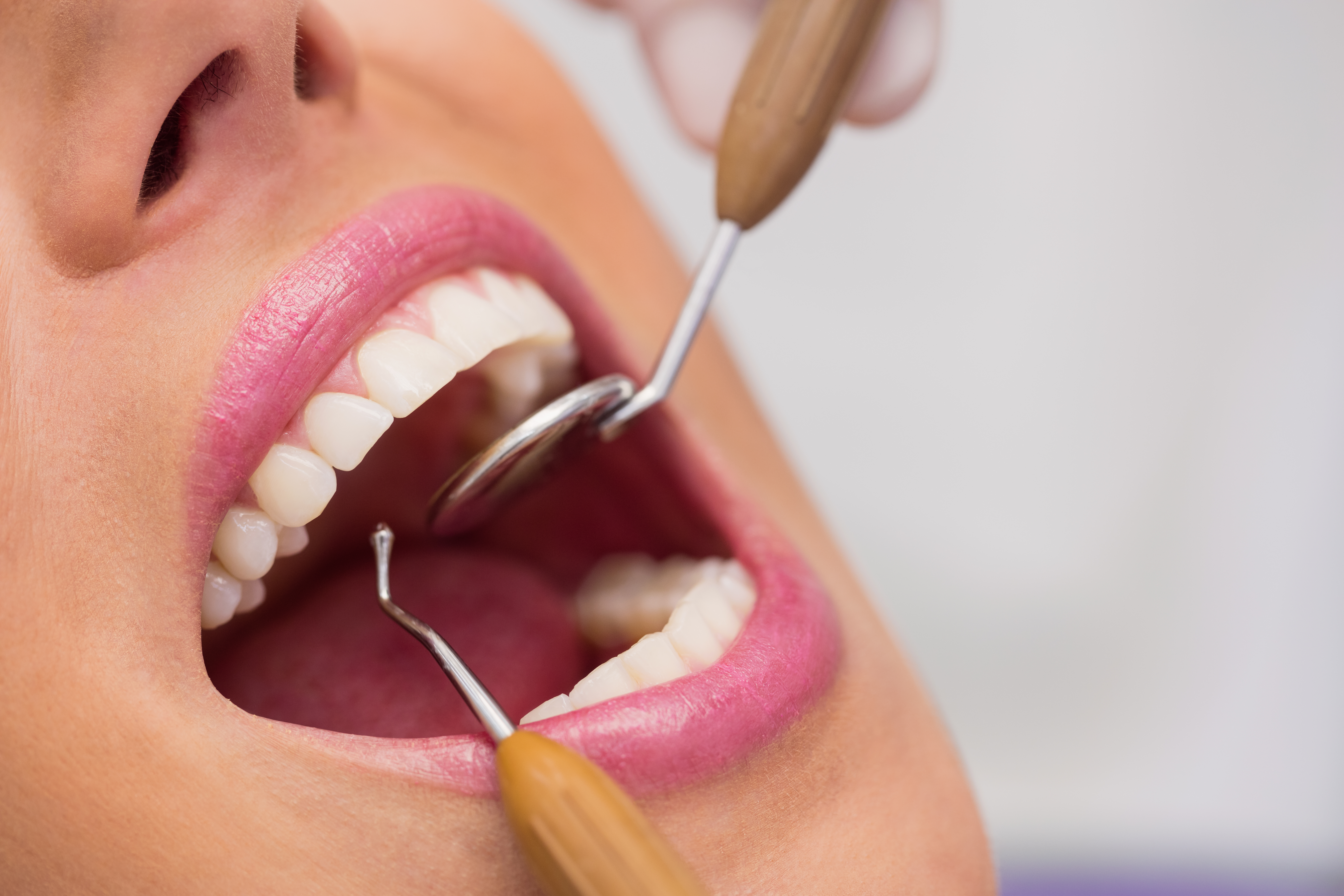
Plaque is soft and usually clear or slightly cloudy. Tartar is hard, crusty, and can range in color from yellow to brown or even black, depending on how long it has been there and whether staining from food, drinks, or smoking is present. Tartar often feels rough when you run your tongue over it, which is another clue that it is not just plaque.
Where Does Tartar Commonly Build Up?
Tartar most often forms along the gumline and between teeth. It is especially common behind the lower front teeth and on the outer surfaces of upper molars. It can form both above the gumline and below it. Below-the-gumline tartar is not visible but can still affect gum health, which is one reason routine dental exams matter.
Oral Hygiene Habits That Contribute
Inconsistent brushing, skipping flossing, or brushing too quickly can allow plaque to stay on the teeth long enough to harden. Following a consistent oral hygiene routine makes a noticeable difference. Technique matters just as much as frequency. Missing regular professional cleanings also allows small amounts of tartar to build up over time.
Diet, Saliva, and Lifestyle Factors
Sugary and starchy foods feed plaque-forming bacteria. Smoking and tobacco use increase tartar formation and staining. Some people naturally have saliva that mineralizes plaque more quickly, which means tartar forms faster even with good habits. Dry mouth, whether caused by medications or dehydration, can also increase the risk of tartar buildup.

Why Is Tartar on Teeth a Problem?
Tartar itself is not painful, but it creates an environment where bacteria can thrive. Over time, this can affect both the teeth and gums.
Can Tartar Affect Gum Health?
Tartar irritates the gums and makes it easier for bacteria to collect near the gumline. Over time, this can contribute to issues like bleeding gums or gum sensitivity. This can lead to gum inflammation and sensitivity if left unaddressed. Maintaining clean tooth surfaces helps keep gums calm, comfortable, and easier to care for at home.
Can Tartar Contribute to Bad Breath or Staining?
Because tartar holds bacteria, it can contribute to persistent bad breath. If odor lingers even with brushing, learning more about common causes of bad breath can be helpful. It also attracts stains from coffee, tea, wine, and other foods, which can make teeth look darker over time.
How to Get Rid of Tartar on Teeth
If you are wondering how to get rid of tartar on teeth, the answer is simple and reassuring: professional care is safe, effective, and routine.
Can You Remove Tartar at Home?
Tartar cannot be safely removed at home. While brushing, flossing, and rinsing help prevent plaque, they do not remove hardened tartar.
DIY scraping tools and home remedies often cause more harm than good by damaging enamel or irritating gums. The best approach is prevention at home and removal by a dental professional.
Professional Dental Cleanings and Scaling
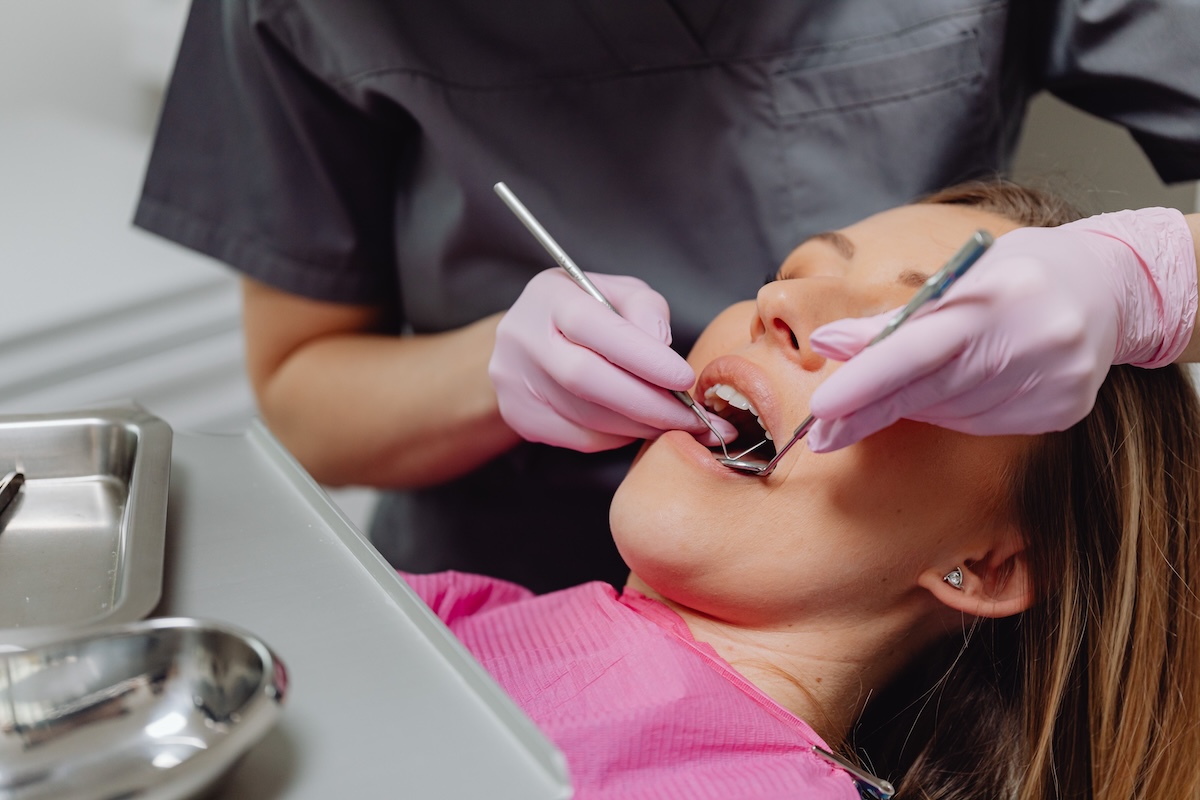
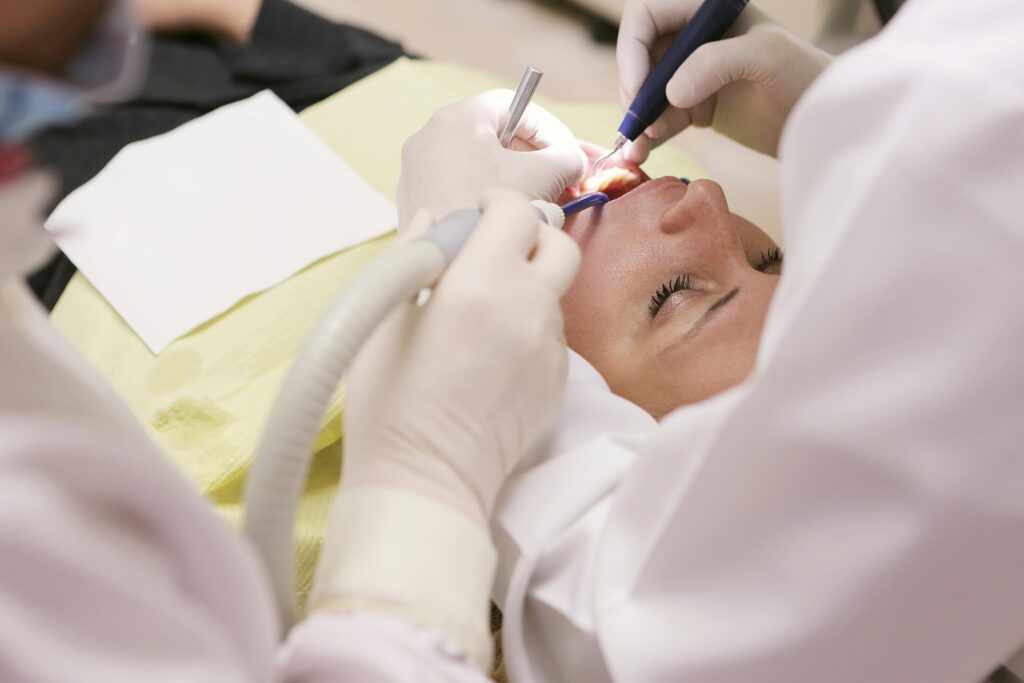
During a professional dental cleaning, specialized instruments are used to gently remove tartar from the teeth and around the gumline. Teeth are then polished to make it harder for plaque to stick. These visits fall under routine general dentistry and include a dental cleaning and exam, which together form the foundation of tartar control.
Advanced Options for Heavier Tartar Buildup
When tartar buildup is more extensive, deeper cleaning methods may be recommended. Some practices also use laser dentistry to reduce bacteria and support gum health, often as part of a more holistic dentistry approach.

How to Prevent Tartar from Coming Back
Perfection is not the goal. Consistent daily oral care, combined with regular dental visits, is what supports long-term dental health.
Daily Oral Hygiene Practices That Help
Brush twice a day using proper technique and a fluoride toothpaste. Daily flossing or interdental cleaning helps remove plaque between teeth where brushes cannot reach.Flossing plays an important role in removing plaque from areas a toothbrush cannot reach. The benefits of flossing extend beyond daily cleaning and support long-term gum health. Electric toothbrushes can also be effective for more thorough plaque removal.
The Role of Regular Dental Checkups
Professional cleanings performed at regular intervals help remove tartar before it accumulates to a level that affects gum health. Understanding how often you should go to the dentist supports a preventive approach and allows your care plan to be adjusted as needed over time.
Lifestyle and Diet Tips for Tartar Prevention
Staying well hydrated helps support normal saliva flow, which plays a role in limiting plaque buildup. Reducing frequent intake of sugary foods and beverages can also help slow the formation of plaque on tooth surfaces. Avoiding tobacco products further supports both tooth and gum health.
Clinical guidance from organizations such as the American Dental Association consistently emphasizes that daily brushing, interdental cleaning, and regular dental visits remain the most effective approach to preventing tartar buildup.

When to See a Dentist About Tartar
If you notice rough buildup, staining that does not brush away, or gums that bleed easily, it may be time to have your teeth evaluated. These signs often mean plaque and tartar have built up beyond what daily brushing and flossing can manage. A consultation allows your dentist to assess your oral health and recommend next steps. You can schedule a consultation or dental cleaning, and if dental visits feel stressful, anxiety management dentistry can help make care more comfortable.
FAQs About Tartar on Teeth
No. Once plaque hardens into tartar, it becomes firmly attached to the tooth surface and will not fall off on its own. Brushing and flossing help prevent tartar, but professional tools are needed to remove it safely.
Yes. Tartar stays on the teeth until it is professionally removed during a dental cleaning. In most cases, this is a routine part of preventive care and does not require additional treatment.
Plaque can begin hardening into tartar within one to three days if it is not removed. Timing varies based on oral hygiene habits and saliva composition, which is why daily brushing and flossing matter.
Most people develop some tartar over time, even with good oral hygiene. Some are more prone to buildup than others, which is why regular professional cleanings are important.