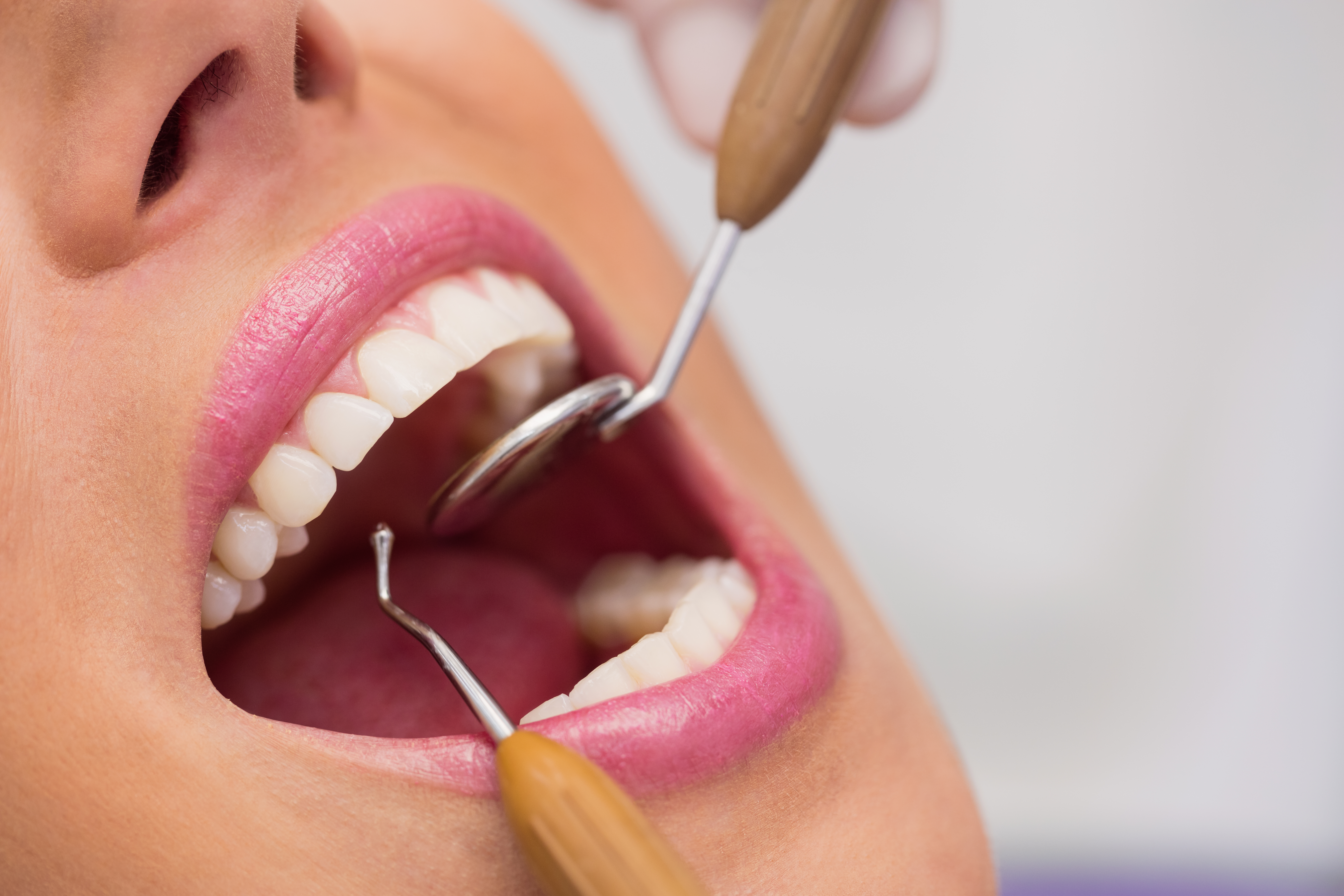

A gap between teeth means different things to different people. Some wear it as their signature look, a distinctive feature that makes their smile stand out. For others, especially when a gap shows up suddenly or keeps getting wider, it becomes a real concern and often leads them to look into teeth alignment options.
These spaces between teeth are actually pretty common. They can be present from childhood, develop slowly over the years, or show up suddenly due to shifting teeth or other dental changes. Understanding why gaps form, when they signal a problem, and what treatment options exist can help you make the right choice for your smile.
What Is a Gap Between Teeth (Diastema)?
A gap between teeth, medically known as diastema, refers to extra space separating two or more teeth. While it most commonly appears between the upper front teeth, a diastema can occur anywhere. Small spaces between teeth (typically under 2-3 mm) are often completely normal, especially in children. As the jaw grows faster than teeth come in, temporary spaces often appear and usually close on their own by around age 15, as long as there’s no deep bite or other dental issue getting in the way.
They become concerning in adults when they start widening (especially beyond 2 mm), cause problems with speech or chewing, trap food and plaque, or affect your appearance or gum health. If these issues arise, your dentist will assess the gap via clinical exam, history review, and X-rays to pinpoint the cause.

Common Types of Gaps Between Teeth
Tooth gaps can show up in different ways, and the type of gap often points to why it formed and how it can be treated.
Gap Between Front Teeth
A gap between the front teeth is the one people notice most. It tends to stand out in photos and when you talk or smile. Sometimes it’s been there since childhood. Other times, it slowly shows up – and that’s usually when questions start.
Front tooth gaps may be:
- Genetic and stable – inherited from family and present since your permanent teeth came in
- Caused by habits in childhood – like thumb sucking or tongue thrusting that pushed teeth apart over time
- A sign of shifting teeth in adulthood – often due to gum disease, tooth loss, or changes in bite alignment
Spaced Out Teeth Across the Smile
If you feel like several teeth are drifting apart, not just one, you may have spaced out teeth rather than a single gap. This often points to jaw size, bite pressure, gum health, or missing teeth.
Why Do I Have a Gap in My Teeth?
Tooth gaps can form for many reasons, including genetics, everyday habits, and changes in oral health as time goes on.
Genetics and Jaw-to-Tooth Size Mismatch
Genetics often play a role in diastema, especially in families with naturally smaller teeth or wider jaws. When the teeth are smaller than the jaw, extra space is left between them – most commonly between the front teeth.
Childhood Habits That Cause Tooth Gaps
- Thumb sucking – Applies forward pressure to the front teeth during development, which can push them apart.
- Tongue thrusting – Repeatedly pressing the tongue against the teeth can gradually cause spacing over time.
- Pacifier use – Prolonged use beyond early childhood can interfere with normal tooth alignment and lead to gaps.
Gum Disease and Bone Loss
Periodontal (gum) disease affects the tissues and bone that hold your teeth in place. As inflammation progresses, these supporting structures weaken, making your teeth less stable. Over time, this loss of support allows teeth to shift and spread apart, creating gaps that often continue to widen if the underlying gum disease isn’t treated.
Missing Teeth or Tooth Shifting
When a tooth is removed and not replaced, the surrounding teeth don’t stay in place – they slowly drift into the empty space, which can create new gaps or make existing ones worse. Missing or naturally small side teeth can also make a gap between the front teeth more noticeable in adults.
Why Are My Teeth Separating Over Time?
Even in adulthood, teeth aren’t fixed in place and can gradually move due to aging, bite pressure, and gum health changes.
Age-Related Changes
As we get older, jawbone density naturally decreases and the tissues that support the teeth can weaken. This makes teeth more prone to shifting – especially the front teeth, which tend to flare outward over time. These gradual changes can widen existing gaps or create new ones, even when there’s no clear cause.

Bite Issues and Bruxism
Uneven bite pressure caused by misalignment can slowly push teeth out of position, making existing gaps gradually bigger and more noticeable over time. Grinding or clenching the teeth adds extra force, speeding up tooth movement – especially in the front teeth, where spacing tends to become noticeable first.
Gum Health and Inflammation
Healthy gums help keep teeth stable, so when gum health starts to decline, teeth can slowly lose their support. Early warning signs often include bleeding when brushing or flossing, gum tenderness, swelling, or mild recession – changes that are easy to overlook at first.
When inflammation progresses, the bone and tissues holding the teeth in place weaken, allowing teeth to shift and separate. In these cases, spacing isn’t just cosmetic – it can be a sign of gum disease. If you’re wondering why your teeth are separating, worsening gaps combined with gum symptoms could point to gum disease that should be evaluated by your dentist.
Is a Gap Between Teeth a Dental Problem or Just Cosmetic?
A gap between teeth (diastema) is primarily cosmetic for small, stable spaces but becomes a dental problem when it impacts function or health.
| If You’re Experiencing… | Treatment Option | How It Helps |
| A small front tooth gap | Dental Bonding | Closes minor gaps in one visit using tooth-colored resin. Quick and minimally invasive. |
| A gap with discoloration or uneven teeth | Porcelain Veneers | Reshapes and brightens teeth while closing the space for a long-lasting cosmetic result. |
Multiple gaps or bite issues | Braces or Night Aligners | Gradually move teeth into proper alignment and correct the underlying cause. |
A gap with damaged teeth | Crowns or Bridges | Restore strength and close the space at the same time. |
A missing tooth creating a gap | Dental Implants | Replace the tooth, prevent shifting, and restore bite balance. |
Can Gaps Between Teeth Close Naturally?
Gaps between teeth often close on their own in children, but this rarely happens in adults without treatment. As kids grow and permanent teeth come in, spaces can naturally disappear by the early teen years. In adults, teeth don’t move that way anymore, and gaps usually stay the same or slowly get bigger due to things like gum problems, grinding, bite pressure, or missing teeth.
How to Prevent Teeth from Spacing Out Further
While some tooth movement is natural, proper care can help slow or prevent further spacing.
Maintaining Healthy Gums
Healthy gums play a big role in keeping teeth stable. Good daily oral care and proper periodontal treatment help protect the bone and tissues that support your teeth. Catching gum issues early can prevent teeth from loosening and spreading over time.
Wearing Retainers and Night Guards
If you’ve had orthodontic treatment, wearing a retainer helps keep teeth from shifting back. Night guards are also important if you grind or clench your teeth, as they protect against excess pressure that can push teeth out of position.
Regular Dental Checkups
Routine dental visits allow your dentist to spot subtle tooth movement or gum changes early. Professional cleanings also help control plaque and inflammation, reducing the risk of spacing caused by gum disease.
At Aspire Dental Wellness, a holistic dentist in Charlotte, NC, Dr. Sladjana Bjelac and her team believe every smile is unique and deserves a personalized approach. Rather than offering one-size-fits-all solutions, we focus on understanding the root cause of spacing while prioritizing your overall oral and systemic health. From your first consultation through every step of treatment, our holistic approach ensures your comfort, long-term stability, and confidence. If you’re ready to explore your options, we’re here to guide you toward a healthier, balanced smile.
If you’re unsure whether a gap in your teeth needs treatment, scheduling a consultation can give you clarity and peace of mind.
FAQs About Gaps Between Teeth
Is a gap between teeth bad for your health?
Not always – small, stable gaps can be harmless. Gaps that are new or getting wider may increase plaque buildup and should be checked by a dentist.
Why do I have a gap in my front teeth but not others?
Front teeth are more affected by jaw size, genetics, and bite pressure. This makes gaps more likely and more noticeable in the front of the smile.
Can veneers permanently fix spaced out teeth?
Veneers can close gaps and provide long-lasting cosmetic results. With proper care, they can last many years.
Are gaps between teeth attractive or undesirable?
That’s a personal preference. Some people embrace their gap, while others choose to treat it for cosmetic reasons.
What is the fastest way to fix a gap between teeth?
Dental bonding or veneers are usually the quickest options. The best choice depends on the size of the gap and your overall oral health.