So, you’ve heard about Waterpik or seen water flossers all over social media. Naturally, you start to wonder, “Is a water flosser better than flossing?” or “Can it replace floss?”
You’re definitely not alone – this is one of the most common questions patients ask us, especially if you’re looking for a simpler or more comfortable way to clean between your teeth. Flossing regularly is essential for a healthy mouth, and a water flosser is a helpful bonus.
At Aspire Dental Wellness, Dr. Bjelac and our entire team are dedicated to making your dental care feel calm, personal, and genuinely supportive. We know a healthy smile is about more than teeth – it’s about your comfort, confidence, and overall well-being. That’s why we take a holistic and whole body approach to your care, looking at how your oral health connects with the rest of your body and your lifestyle.
Water Flossing vs. Regular Flossing: What’s the Real Difference?
People often compare the two as if one has to replace the other – but water flossing and regular flossing actually clean your teeth in different ways.
Here’s the simple breakdown:
- Traditional floss physically scrapes plaque off your teeth.
- Water flossers use pressurized water to flush away debris and bacteria.
Both help protect your smile – just in different ways. And together with regular dental cleanings and exams, they support a healthier mouth long-term.

What Is Traditional Flossing and How Does It Work?
Traditional flossing is a manual method of using a thin string of floss to remove food particles and plaque from between teeth and under the gumline, where a toothbrush can’t reach.
A healthy smile starts with good daily habits. Brushing twice a day for two minutes helps keep your teeth and gums healthy. But toothbrushes can’t reach between teeth, which is why the American Dental Association recommends flossing once a day to remove plaque and food that can cause cavities and gum problems.
Proper Flossing Technique:
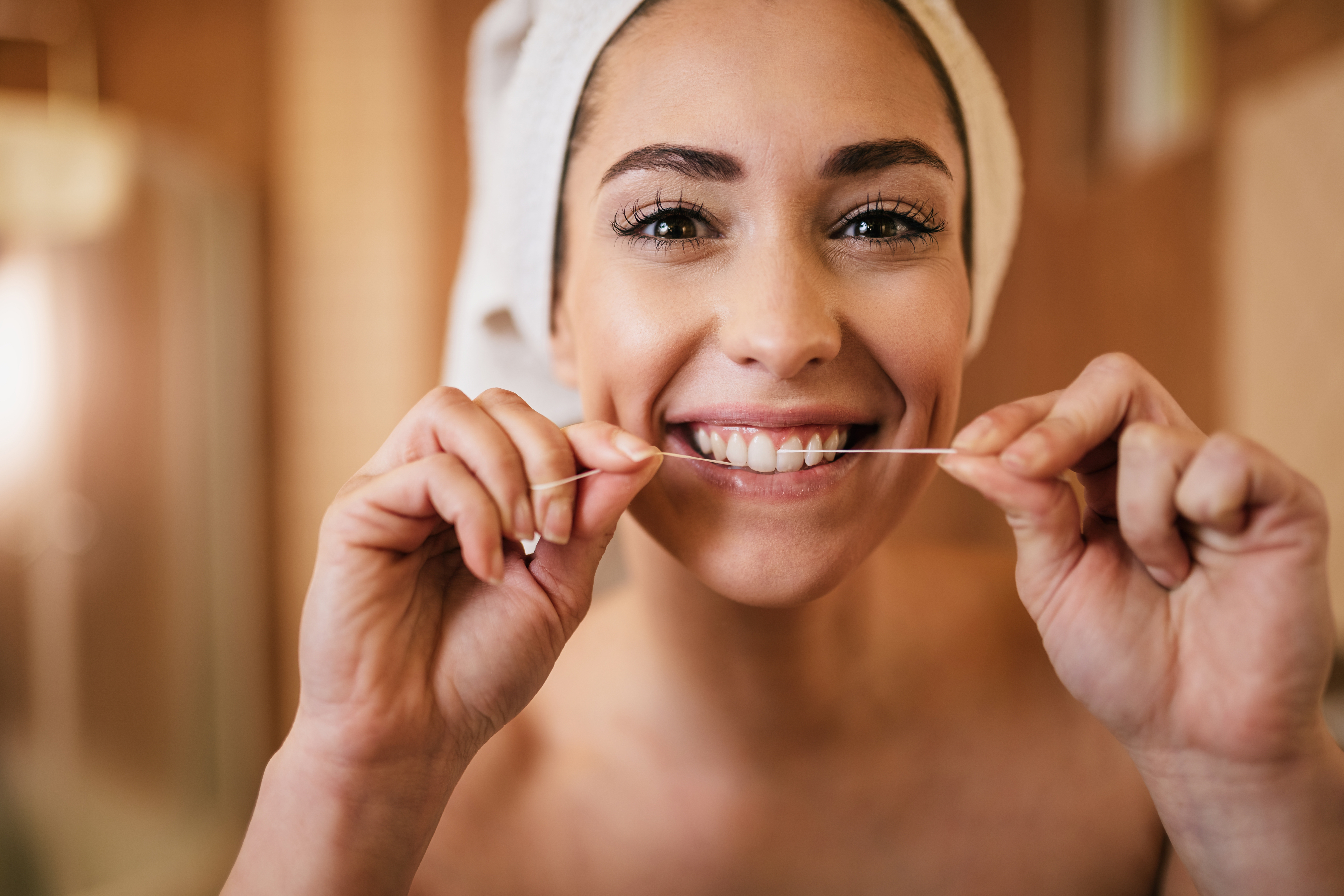
- Cut about 18 inches of floss and wind most around your middle fingers, leaving 1–2 inches to work with.
- Slide the floss gently between teeth, moving it up and down.
- Curve the floss in a C-shape around each tooth and clean beneath the gumline, including the back of your molars.
- Tilt your head slightly when flossing upper teeth for easier access. Avoid snapping or forcing the floss.
- Use a clean section of floss for each tooth.
What Is a Water Flosser and How It Works?
A water flosser uses a controlled stream of pulsating water to clean between teeth and below the gumline. It’s comfortable, gentle, and surprisingly effective – especially for sensitive areas that traditional floss can irritate.
How to Use a Water Flosser:
- Fill the reservoir with lukewarm water.
- Choose a comfortable tip and attach it to the handle.
- Place the tip at a 90° angle to your gumline, and turn the device on.
- Start with the back teeth, moving forward, tracing along the gumline and pausing briefly between teeth.
- Floss both the inner and outer surfaces of each tooth.
- After finishing, empty and rinse the reservoir, clean the tip, and store the flosser in a dry place.
Waterpik vs Flossing: Side-by-Side Comparison
Flossing is highly recommended, but both methods work – they just do so in different ways. Many patients actually see the best results when they use both a traditional floss and a water flosser together.
| Waterpik Advantages | Traditional Floss Advantages |
| Gentle on gums | Best for removing sticky plaque |
| Great for braces and implants | Excellent for tight contacts |
| Reaches deeper into gum pockets | Supports cavity prevention |
| Helps reduce bleeding and inflammation | No device needed – budget friendly |
Is a Waterpik Better Than Flossing?
Studies show that water flossers can significantly reduce gum bleeding and inflammation, sometimes even better than traditional floss. They’re gentle, easy to use, and excellent at flushing bacteria from hard-to-reach pockets. But daily flossing should not be skipped in favor of using a water flosser.
Water flossers don’t always remove sticky plaque as effectively as floss, especially in very tight spaces. This is why many patients – and dentists – choose a combination of both.
Does a Waterpik Replace Flossing?
While water flossers are excellent at removing plaque, reducing gum inflammation, and cleaning around braces, implants, or hard-to-reach areas, they don’t provide the same mechanical scraping action that string floss offers between tight contacts. Many dentists recommend using a water flosser as a complement to daily flossing, not as a full replacement – especially if your teeth are tightly spaced or you’re prone to cavities between teeth.
Water flossers are great for extra cleaning and gum health, but daily flossing is still important for optimal oral care.
How Effectively Does a Waterpik Remove Plaque?
Water flossers are highly effective at improving gum health and removing plaque, especially when used regularly and correctly, but combining them with daily flossing gives the best results.
| Water Flosser | Traditional floss |
| Loose food debris | Sticky, adherent plaque |
| Soft plaque | Buildup between tight teeth |
| Bacteria under the gumline | Plaque stuck on tooth surfaces between tight contacts |
A consistent oral hygiene routine – one that you can actually stick with – is just as important as the tools you choose. If you’re struggling with bleeding, sensitivity, or gum inflammation, a water flosser could make a noticeable difference.

Water Flosser vs Traditional Flossing for Gum Disease Prevention
For patients dealing with gum issues, a water flosser can feel like a game-changer. It helps rinse out bacteria from those deeper spots that regular floss and brushing just can’t reach.
But if there’s already a lot of plaque built up, traditional flossing – and a good professional cleaning – are still must-haves.
At Aspire Dental Wellness, we take a truly personalized, holistic approach to your care. There’s no one-size-fits-all advice here. We get to know your smile and your concerns so we can recommend the right mix of tools and habits to help you feel confident and keep your gums healthy.
Easy Ways to Prevent Gum Disease and Keep Your Mouth Healthy
You can make a big difference for your oral health by:
- Brushing twice a day
- Floss daily
- Scheduling routine dental cleanings
- Stay hydrated
- Eat a balanced diet
Small habits make a big difference in preventing gum inflammation, decay, and uncomfortable dental emergencies. Our general dentistry services focus on keeping your smile healthy and strong, including guidance on using tools like water flossers and traditional floss for optimal oral care.
If you’re unsure about your individual oral-health needs, schedule an appointment with Aspire Dental Wellness. Dr. Bjelac and our team take the time to answer your questions, walk you through your options, and help you feel confident in your oral care routine.
FAQ
Is a water flosser better than flossing?
Water flossers are great for gums, sensitivity, braces, and hard-to-reach areas. A water flosser works best when used along with daily flossing, not as a replacement.
Can a water flosser replace floss?
No, a water flosser cannot fully replace traditional floss. Water flossers can’t reach the tight spaces between teeth as well as regular floss.
Does a Waterpik remove plaque?
Yes – it’s excellent for removing soft plaque and bacteria below the gumline. But traditional floss removes stuck-on plaque more effectively.
Does insurance cover cleanings and gum disease treatment?
Our team will help you understand your benefits before treatment, so you know exactly what your plan covers for routine cleanings and preventive care.